


Wig vs Braids: Which Protective Style Is Better for You?
Standing in front of the mirror, scalp tender from your last braid appointment, or peeling off a wig that left your edges sweaty and stressed, you have probably asked the same question every quality-conscious woman asks at some point: wig vs braids, which one is actually better for my hair? Here is the truth. There is no single right answer, because the two styles solve different problems, and the "best" one depends on your scalp, your schedule, your budget and how much manipulation your natural hair can honestly tolerate right now. This guide breaks the decision down the way a stylist would, not the way a hashtag would.
What Is the Real Difference Between a Wig and Braids as a Protective Style
A wig sits on top of your natural hair, which stays cornrowed or banded underneath and is barely touched, while braids are extensions attached directly to your own strands and worn out in the open. That single difference explains almost every other contrast between them, from how your scalp feels by week three to how much tension your hairline absorbs. A wig creates a physical barrier between your hair and the world. Braids create length and style using your hair as the anchor point. Understanding this distinction is the first step to choosing correctly, because it changes how each style behaves on humid Lagos afternoons, during a Harmattan week, or on a hair that is already thinning at the temples.
How a Wig Protects Your Natural Hair Underneath
A well-installed wig protects natural hair by eliminating daily combing, heat styling and product buildup, since your real hair stays cornrowed and undisturbed beneath the cap for weeks at a time. This is the biggest selling point of wigs, and it is genuinely backed by how hair actually breaks. Most breakage happens from mechanical stress, brushing, detangling, blow drying, flat ironing, not from time passing. Remove that daily manipulation and hair simply has fewer chances to snap. A glueless unit you can take off every night is gentler still, because the scalp gets to breathe and any sweat or product does not sit trapped for days.
The catch is the edges. Lace front units, if worn constantly with adhesive or under tight bands, can stress the hairline in the exact same way braids can. A wig is only "protective" when the install underneath is gentle, the cap size is correct, and you are not gluing it down every single day.
How Braids Protect Your Natural Hair When Done Correctly
Braids protect natural hair by locking each section into a low-manipulation style that can be worn continuously for weeks, though the protection only holds if the braider avoids excessive tension at the parting and hairline. Knotless braids in particular have become the go-to method because the feed-in technique starts each braid without a tight starter knot, which noticeably reduces pulling on the scalp and the itching that comes with traditional box braids. A good knotless install can look natural for four to six weeks, and with the right maintenance some textures stretch that to eight or even twelve weeks before it looks worn out.
The honest downside is exposure. Your scalp is out in the open the entire time, so oils, dust and sweat build up along the parts, and if the braider pulls too tight, especially near the temples and nape, you are looking at scalp tenderness in the short term and possible traction alopecia if that tension repeats over months or years. Dermatologists are consistent on this point: repeated tight styling along the frontal hairline is one of the leading causes of permanent edge thinning in Black women, and the damage becomes harder to reverse the longer it continues.
Comparing Cost, Time, Comfort and Hair Health Side by Side
Numbers make this decision easier than opinions do, so here is how the two protective styles stack up on the factors that actually affect your week to week life and your hair's long-term health.
| Factor | Wig | Braids |
|---|---|---|
| Average install time | 30 to 90 minutes (glueless), longer with lace melting | 3 to 6 hours depending on size and length |
| How long it lasts | The unit itself lasts 12+ months with care; you can re-wear it daily | One install typically lasts 4 to 8 weeks, up to 12 weeks for some textures |
| Upfront cost | Higher per unit, but reusable for a year or more | Lower per session, but repeats every month, so it adds up |
| Scalp exposure | Covered and protected; needs its own cleaning routine | Fully exposed to sweat, dust and product buildup |
| Tension risk to edges | Low if glueless and correctly sized; high if glued daily or too tight | Moderate to high, especially at the hairline if braided too tight |
| Versatility day to day | Can be removed, changed and restyled the same day | Fixed style until the install is taken down |
| Best for | Busy schedules, wanting to switch looks often, sensitive scalps | Swimming, workouts, humid climates, wash-and-go convenience |
Which Option Fits Your Lifestyle Better
The right protective style depends less on trends and more on your daily routine, how much time you have for maintenance, and how your scalp has historically reacted to tension or heat. Someone who changes their look every week for content or events leans toward wigs. Someone who wants to wake up, shake their hair out and go, with zero daily styling, often prefers braids.
Consider these real-life scenarios:
- You sweat heavily at the gym or work outdoors. Braids handle moisture and washing far better than most wig installs, since you can rinse your scalp directly. A wear-and-go glueless wig is the wig-side compromise here, because you can remove it before a workout and pop it back on after.
- You want to change your hair color or texture often. Wigs win easily. Swapping a 613 blonde unit for a deep wave one takes minutes. Redoing a full head of braids to change color means a whole new install.
- You have a sensitive or already-thinning hairline. Neither style is automatically safe here, but a soft, correctly sized wig with no daily glue puts far less repeated tension on the same spot than braids anchored right at the temples.
- You are traveling or short on time this month. Braids give you weeks of zero-maintenance styling once installed, no morning routine needed, which many women find more freeing than switching wigs daily.
- You want your natural hair to grow out fastest. Low manipulation is the common thread for both, so whichever style you choose, keep your natural hair moisturized underneath, do not braid or band it too tight, and give your scalp a proper wash and rest between installs.
Caring for Your Hair Underneath, Whichever You Choose
Whichever protective style you pick, the natural hair underneath still needs a light maintenance routine, including a light oil at the scalp, a satin or silk covering at night, and a full wash and condition every one to two weeks. Under a wig, that means cleansing your scalp with a gentle sulfate-free shampoo, applying a lightweight leave-in, and avoiding tight cornrows that pull for months without a break. Under braids, it means spraying a diluted leave-in mix along the scalp every few days, keeping the parts clean and dry to avoid buildup and odor, and never leaving an install in longer than eight to twelve weeks, since old braids trap shed hair and can start matting at the roots.
If you are choosing hair extensions for either style, quality matters more than most people realize. Cheap synthetic braiding hair frizzes fast and can irritate sensitive scalps, while low-grade wig bundles shed and tangle within weeks. Investing once in quality human hair bundles and wigs genuinely pays for itself, since good hair holds a style longer, takes color better, and does not need replacing every few months.
Making the Final Call Between Wig and Braids
If you are still torn, let your calendar and your scalp history make the decision rather than trends. Choose a wig if you love variety, have limited time for a multi-hour salon visit, or your edges have shown any tension sensitivity in the past. Choose braids if you want weeks of zero daily styling, you are active or swim often, or you simply love the low-maintenance freedom of a fixed style you do not have to think about each morning. Plenty of women alternate between the two through the year, wigs during the busy or humid months, braids during travel or a natural hair "rest" period, and that rotation is honestly one of the smartest ways to protect your hair long term. Whichever route you take this season, browse MelexWorld's human hair wigs and bundles here and start with hair quality you can actually trust.
Frequently Asked Questions
Is a wig or braids better for hair growth?
Neither style directly makes hair grow faster, since growth happens at the scalp regardless of what covers it, but both support healthier growth by reducing daily manipulation. The real advantage comes from consistent low-tension styling, moisturized ends, and giving your scalp regular breaks between installs, whichever protective style you choose.
Do braids or wigs cause more damage to edges?
Either style can damage edges if worn with too much tension for too long, but the risk pattern differs. Braids risk damage from the braider pulling too tight at the hairline, while wigs risk damage mainly from daily glue application or bands that sit in the same spot for months without relief.
How often should I take a break between braids or wig installs?
Braids should generally come down after 6 to 8 weeks, since older installs trap shed hair, buildup and new growth that becomes hard to detangle safely. Wigs are gentler on this front since you can remove them nightly, but you should still redo the cornrows underneath every 2 to 3 weeks and give your scalp a proper wash in between.
Which is more affordable long term, a wig or braids?
A quality wig costs more upfront but can be worn daily for a year or longer with proper care, while braids cost less per session but need reinstalling every 4 to 8 weeks, which adds up over a year. If you wear protective styles year-round, a well-maintained wig usually works out cheaper over 12 months, while braids can be the better one-off choice for a specific event or season.
Featured in our collection
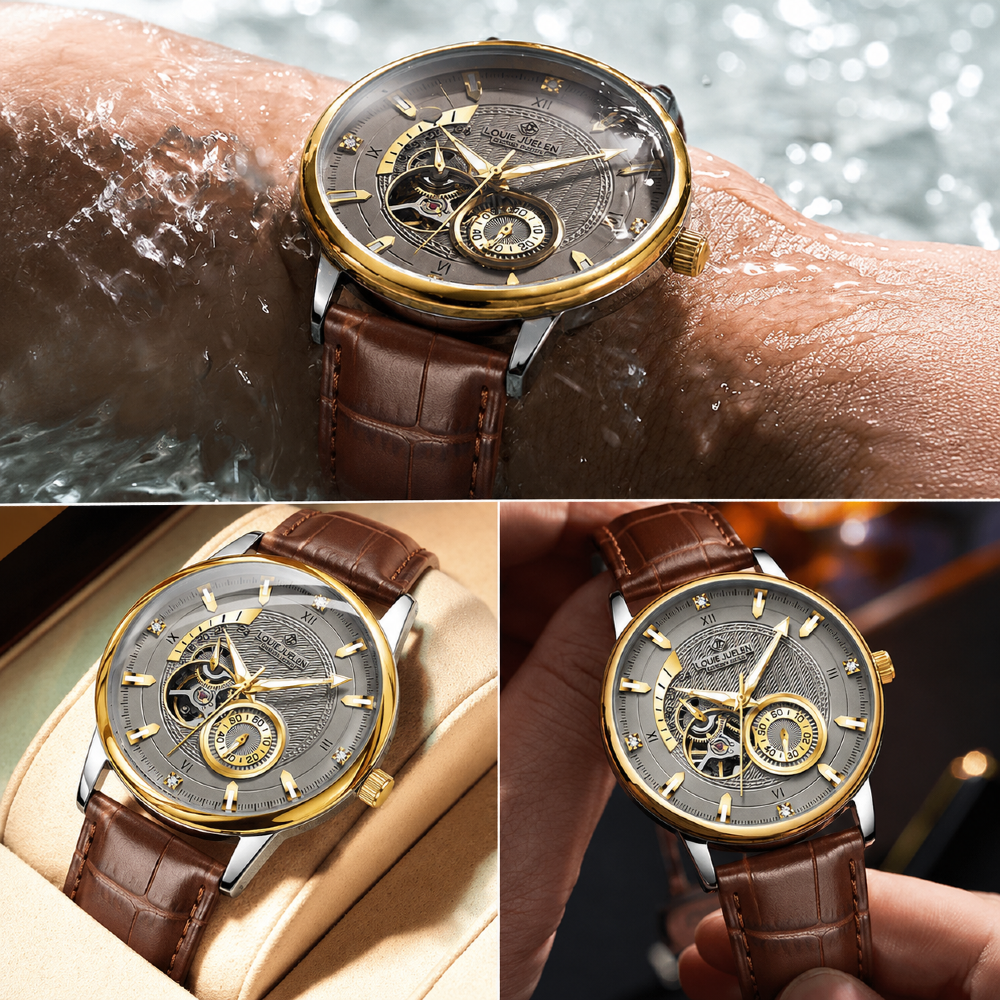
Louis Juelen Luxury Automatic(Tourbillion ) Premium Watch
Automatic Watch Winder
₦85,000
₦150,000
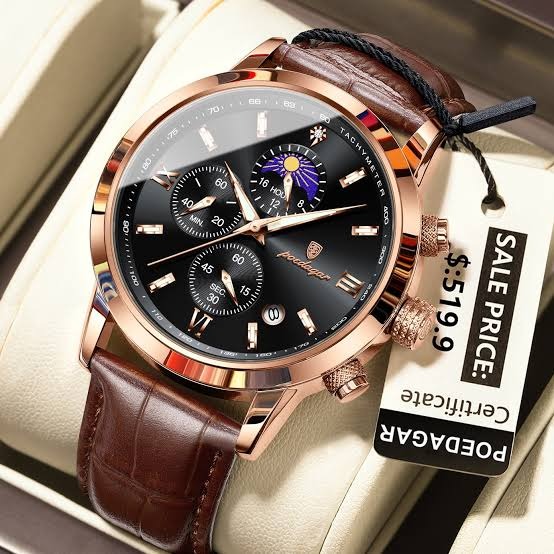
Poedagar Chronograph Luxury Watch
Free 24ml luxury Roll On oil perfume
₦45,000
₦65,000

Louis Juelen Automatic Chain Strap
Automatic Watch Winder
₦140,000
₦250,000