



The One-Watch Wardrobe: How to Choose the Only Watch You Need
You own three watches and you still reach for your phone to check the time. Sound familiar? Somewhere in a drawer sits a chronograph you bought for a wedding, a sports watch you wore twice, and a dress watch that never quite matches anything you wear on a normal Tuesday. This is the real problem with buying watches on impulse instead of on strategy. A one watch wardrobe fixes it. Instead of collecting pieces that half work for half your life, you choose one exceptional watch built to move with you from the office to church to a Saturday wedding, and you wear it until it becomes part of how people recognise you.
This guide is for the person who wants to stop overthinking their wrist. Whether you are buying your first serious watch or finally retiring a collection that never quite earned its keep, here is how to choose the single timepiece that will do the job of five.
What a One-Watch Wardrobe Actually Means
A one watch wardrobe is the deliberate choice to own a single, versatile timepiece designed to suit every part of your life instead of switching watches for different occasions. It is not about owning less for the sake of it. It is about owning one thing so well matched to your lifestyle that a second watch stops feeling necessary.
The idea is not new. Well-dressed men and women have quietly practised this for decades, long before minimalism became a buzzword. A well-chosen watch in a classic size, a neutral tone and a timeless design can move from a boardroom presentation to a dinner date to a Sunday afternoon without looking out of place at either end. That single sentence is the whole philosophy. Everything else in this guide is about how to actually find that watch.
The mistake most people make is choosing a watch because it looks striking in a photo. A statement dive watch or a loud chronograph might be the most exciting thing in the shop, but if you spend your week in an office and your weekends at family gatherings, that same eye-catching watch will spend most of its life sitting untouched in a drawer. To build a genuine one-watch wardrobe, you have to buy for your actual week, not your imagined one.
The Case Size That Earns Its Place on Every Wrist
The right case size for a one-watch wardrobe sits between 36mm and 40mm, a range widely considered the most versatile for daily wear because it looks balanced under both a suit cuff and a t-shirt sleeve without reading as too formal or too sporty. Anything smaller starts to feel exclusively like a dress watch. Anything larger tips into "statement piece" territory that fights with tailored clothing.
Here is why this range works so well in practice:
- 36mm to 38mm carries the restraint of a classic dress watch. It slides cleanly under a shirt cuff and looks refined with agbada, native wear or a suit.
- 39mm to 40mm is the true sweet spot most stylists point to. It reads confident without shouting, and it works equally well with jeans, office wear or a kaftan.
- 41mm to 42mm still works if you have a larger wrist, but treat this as the upper limit for a true one-watch strategy. Beyond this, a watch starts to feel like a sports piece that struggles at formal events.
Measure your wrist before you decide. A slim wrist under 16.5cm generally looks best in 36mm to 38mm, while a wrist over 18cm can comfortably carry 40mm to 42mm. If you are unsure, err smaller. A slightly smaller watch that fits perfectly will always look more expensive than a slightly oversized one that gapes at the lugs.
Shop our watch collection here to compare case sizes side by side before you commit to your one watch.
Choosing a Dial Colour and Finish That Never Clashes
The safest dial colours for a one-watch wardrobe are black, white and grey, because these neutrals pair with every outfit colour and every strap tone without ever competing for attention. Black is the most universally versatile watch face colour, working equally well with black tie, native wear and casual denim. Grey sits close behind it: neither warm nor cool, it complements almost any strap or clothing colour you put next to it.
White or cream dials bring a touch more brightness and formality, which suits people who dress in lighter colours most of the week. Avoid anything with a strong colour cast, bright blue, green or burgundy dials are beautiful, but they immediately narrow the outfits they pair well with, which defeats the entire point of a one-watch strategy.
The same logic applies to the case finish. A brushed steel finish hides scratches better than a mirror-polished case and reads slightly more casual, which makes it more forgiving for daily wear. A fully polished case looks sharper for formal events but shows every mark within weeks of daily use. Many of the best one-watch candidates split the difference with a brushed case and polished bevelled edges, giving you formality when the light catches it and durability the rest of the time.
Strap and Bracelet: The One Decision That Changes Everything
The single biggest lever for making one watch feel like several is the strap, because swapping a strap changes the entire character of a watch without touching the case or dial underneath it. A steel bracelet reads formal and durable. The same watch head on a brown leather strap softens instantly into something you would wear to dinner. Swap in a black rubber or FKM strap and it becomes gym and rain ready in seconds.
If your budget allows only one strap, a grey or taupe leather strap is the most quietly versatile choice available, since it sits between the formality of black and the casualness of tan without clashing against navy, brown, black or grey clothing. If you can stretch to two straps, this is the one upgrade worth making even inside a one-watch philosophy:
- A quick-release steel bracelet or black leather strap for office days and formal events.
- A brown or tan leather strap for weekends, church and relaxed gatherings.
This two-strap approach still counts as a one-watch wardrobe. You are not buying a second watch. You are buying a second personality for the one you already own, and it costs a fraction of a new timepiece.
Water Resistance, Movement and Durability for Daily Wear
For a single everyday watch, a 100 metre water resistance rating is the benchmark to aim for, since it comfortably handles handwashing, rain, showers and casual swimming without you needing to think twice before getting your wrist wet. A rating of 30m or 50m is fine if you plan to remove the watch before washing your hands or showering, but a one-watch wardrobe should not demand that kind of daily vigilance. You bought one watch specifically so you would not have to manage it.
On the movement side, both quartz and automatic mechanical movements can serve a one-watch wardrobe well, and the right choice depends on your patience for maintenance rather than which one is objectively better. A quartz movement needs almost no attention beyond an occasional battery change and keeps time within seconds a month. An automatic movement needs regular wrist time or a winder to stay accurate and running, but it rewards you with the emotional weight of mechanical craftsmanship many people want from their one and only watch.
Whichever you choose, confirm these three specification points before buying:
- Water resistance of at least 50m, ideally 100m.
- Sapphire or high-hardness mineral crystal to resist scratches from daily bumps against desks, doors and car keys.
- A screw-down or protected crown, which reduces the risk of accidental water ingress during normal daily activity.
Comparing the Main One-Watch Wardrobe Candidates
Different watch styles suit different lifestyles, so use the table below to see which category actually matches how you live before falling for the first striking design you see in a shop window.
| Watch Style | Best For | Typical Case Size | Formality Range | Everyday Practicality |
|---|---|---|---|---|
| Classic three-hand dress-casual | Office workers, mixed social calendars | 38mm to 40mm | Formal to smart casual | Highest, the true all-rounder |
| Field or pilot style watch | Active lifestyles, frequent travel | 39mm to 42mm | Smart casual to casual | High, but less formal for black tie |
| Diver watch (moderate size) | Outdoor lifestyles, humid climates | 40mm to 42mm | Casual to smart casual | High durability, lower formality |
| Slim dress watch | Suit-heavy wardrobes, formal events | 36mm to 38mm | Formal | Lower, can feel delicate for rough daily use |
| Chronograph | People who want visual detail and utility | 40mm to 42mm | Smart casual | Moderate, busier dial suits fewer formal settings |
For most people building a genuine one-watch wardrobe, the classic three-hand design in the 38mm to 40mm range wins because it refuses to specialise. It will never be the most exciting watch in the room, and that is exactly the point.
Explore versatile everyday watches here and picture each one under a shirt cuff, not just on the product photo.
How to Style Your One Watch From the Office to Owambe
A one-watch wardrobe stays sharp across occasions when you let your other accessories do the seasonal work while the watch itself stays constant, giving you a recognisable signature instead of a rotating cast of pieces. Pair it with a leather belt in a matching tone for office days. Let the strap peek out from a slightly loosened cuff at a wedding or owambe. On weekends, push the sleeve up and let the watch sit against bare skin with a plain t-shirt, where a neutral dial and brushed case look effortless rather than trying too hard.
A few practical styling notes worth remembering:
- Match metal tones, not colours. If your watch case is steel, keep your belt buckle, cufflinks or jewellery in silver tones rather than gold to avoid visual conflict.
- Let sleeve length do the work. A well-fitted shirt cuff that just clears the watch case looks intentional. A cuff that swallows the watch looks accidental.
- Save the metal bracelet for the days you need authority, board meetings, client pitches, formal introductions, and switch to leather when you want warmth instead.
Caring for the Only Watch You Own
Since a one-watch wardrobe puts far more daily mileage on a single piece than a rotated collection would, proper care matters more here, not less, because there is no backup watch to fall back on while this one rests. Wipe the case and strap with a soft, slightly damp cloth every few days to remove sweat and skin oils, which are the main cause of leather strap cracking and metal bracelet dulling over time.
Follow these simple habits:
- Rinse after saltwater or heavy sweat exposure, even on a 100m water resistant watch, since chloride residue accelerates seal wear.
- Avoid extreme heat, do not leave the watch on a car dashboard or near direct sunlight for long periods, since heat can dry out gaskets and fade dial lume over time.
- Service the movement roughly every 3 to 5 years if automatic, or replace the battery promptly if quartz, since a dead battery left inside can leak and damage the movement.
- Rotate straps rather than force-fitting one strap to every situation. A second strap costs far less than a second watch and extends the life of the one you have.
When One Watch Quietly Becomes Two
Even a well-built one-watch wardrobe sometimes needs a second piece, and the honest signal is not boredom, it is a genuine gap your current watch cannot cover, such as serious swimming, formal black tie events, or a job that has become significantly more active or more corporate than when you first bought it. If you find yourself removing your watch before certain activities more than once a month, that is the clearest sign your one watch has reached the edge of its range, and a second, purpose-built piece may be worth adding rather than compromising the first.
Until that moment arrives, resist the pull of impulse purchases. The whole value of a one-watch wardrobe is the discipline behind it. Every time you reach for the same watch, morning after morning, you reinforce a signature rather than diluting it across pieces that each get worn once a season.
Browse our full range of everyday and dress watches here to find the one piece built to earn its place on your wrist for years, not just one occasion.
Frequently Asked Questions
What is the best watch size for a one-watch wardrobe?
Most stylists recommend a case between 38mm and 40mm because it looks balanced on the widest range of wrist sizes and moves comfortably between formal and casual settings. If your wrist is notably slim or large, adjust slightly within the 36mm to 42mm range rather than forcing a size that gaps at the lugs or overwhelms your cuff.
Can an automatic watch really work as an everyday one-watch option?
Yes, an automatic watch works well as a daily watch as long as you wear it often enough to keep it wound, since regular wrist movement powers the rotor and keeps timekeeping accurate. If you go several days without wearing it, the watch will simply need a quick manual wind or a few shakes before it starts keeping time again.
Is 100m water resistance enough for one everyday watch?
For nearly everyone, yes. A 100m rating comfortably covers handwashing, rain, showers and casual swimming, which are the situations a single everyday watch is most likely to face. Only serious swimmers or divers need to look higher, and at that point the watch is arguably no longer serving a pure one-watch wardrobe role.
Should I choose a leather strap or a metal bracelet for a one-watch wardrobe?
A metal bracelet is generally the more versatile single choice because it reads smart in the office yet still looks acceptable with casual clothing, whereas leather leans more formal and shows wear faster with daily contact. If your budget allows a second strap, add a leather option later rather than starting with it as your only choice.
Featured in our collection
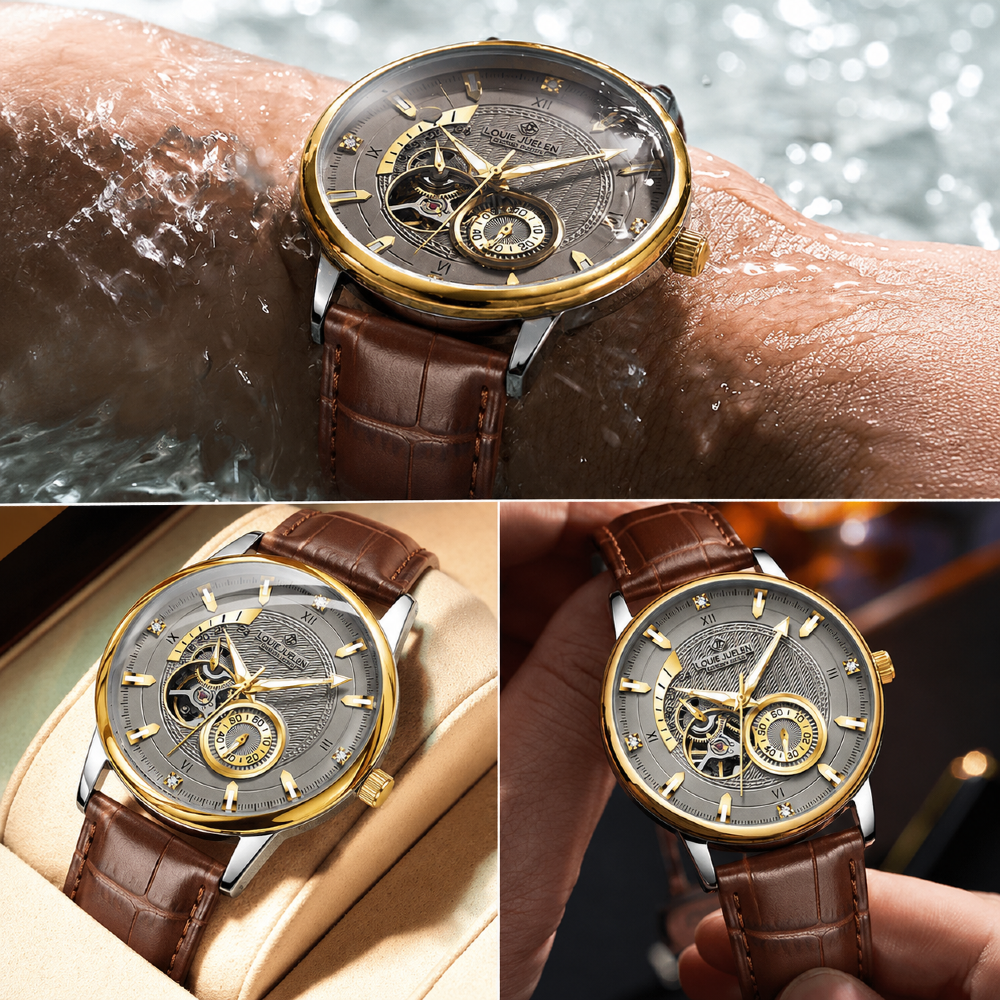
Louis Juelen Luxury Automatic(Tourbillion ) Premium Watch
Automatic Watch Winder
₦85,000
₦150,000
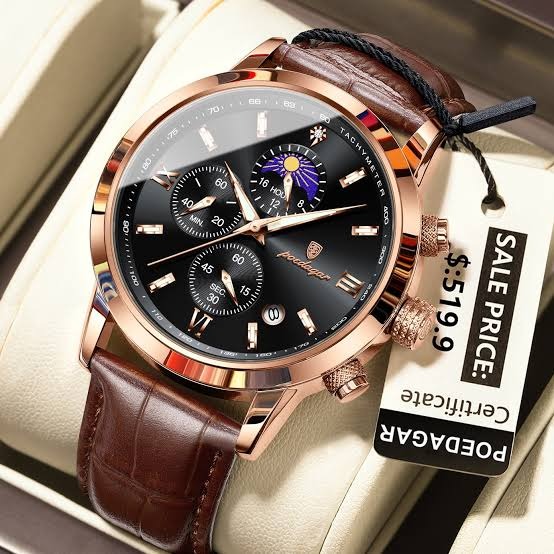
Poedagar Chronograph Luxury Watch
Free 24ml luxury Roll On oil perfume
₦45,000
₦65,000
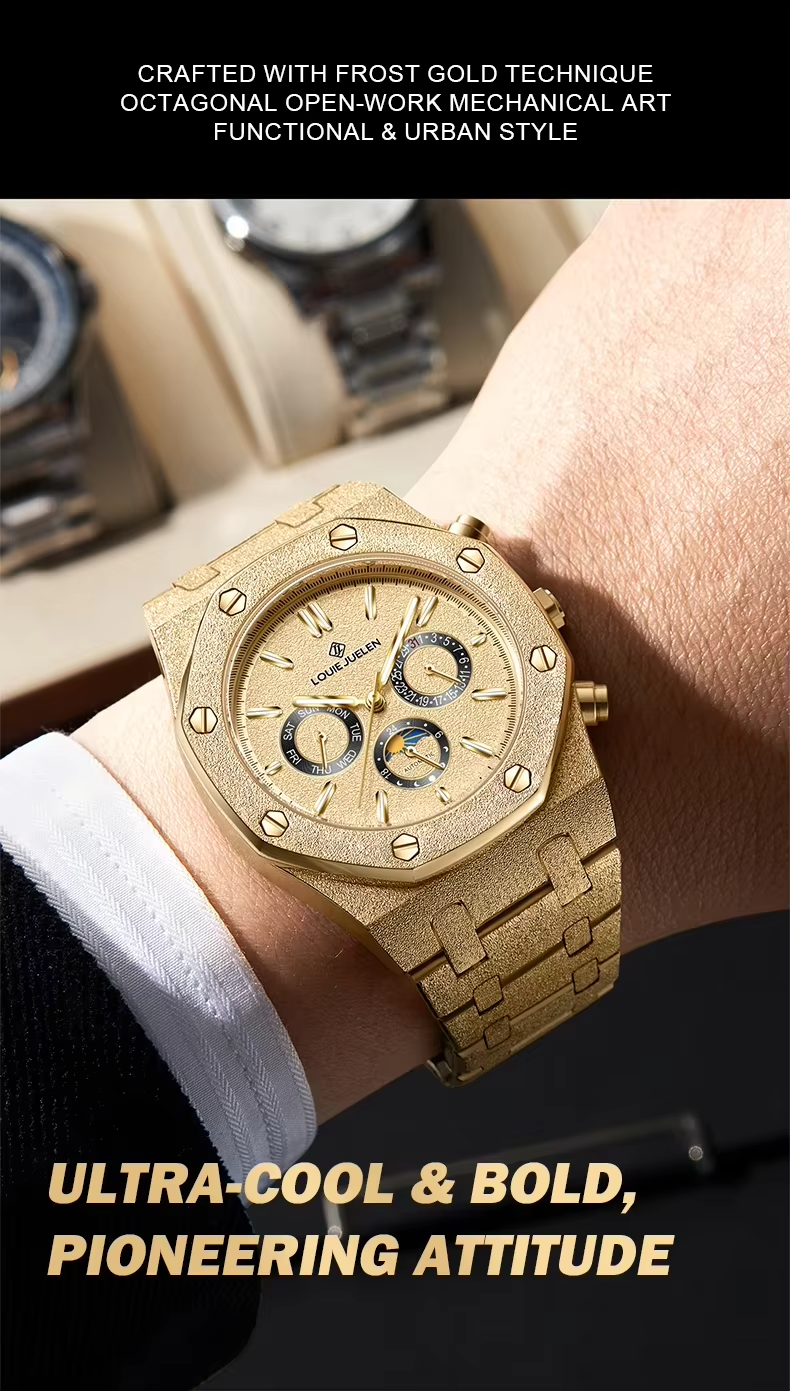
Louis Juelen Automatic Chain Strap
Automatic Watch Winder
₦140,000
₦250,000
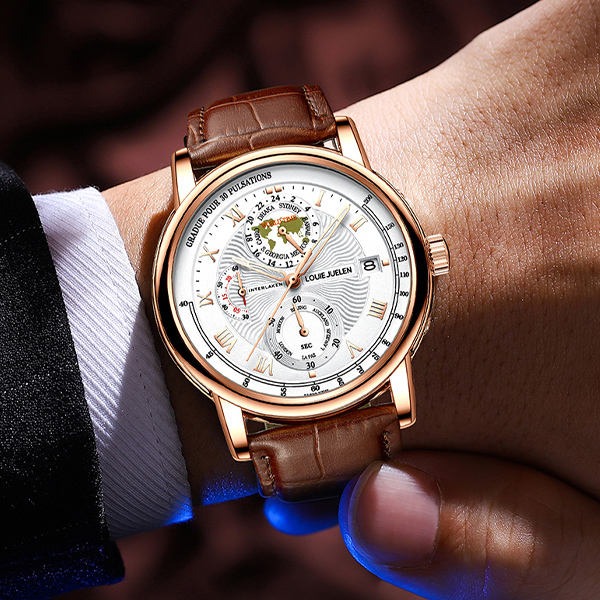
Louis Juelen Luxury Chronograph Leather Watch
Free 24ml luxury Roll On oil perfume
₦55,000
₦85,000