


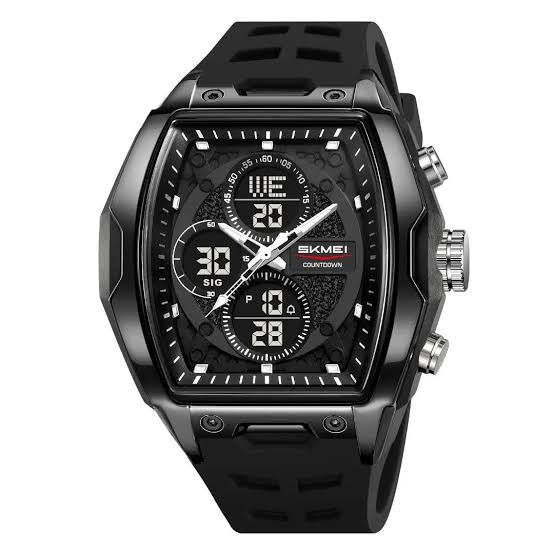


Watches for Engineers: The Toughest Timepieces for Hands-On Work
If you have ever pulled your watch off before crawling under a generator, or watched the crystal fog up after a day near a transformer, you already know the problem. Most watches are built for boardrooms, not workshops. Watches for engineers need to survive a completely different world: grease, vibration, magnetic fields, sudden knocks against steel, and long hours where a glance at the wrist has to be instant and unmistakable. This guide is written for the site engineer, the mechanical fitter, the electrical technician, the aircraft maintenance crew member, and every other hands-on professional in Nigeria who wants a watch that keeps working as hard as they do.
The truth is, a delicate dress watch will not last a month on a factory floor. Buying the wrong watch is not just a fashion mistake, it is money wasted the first time a wrench slips or a generator kicks out a stray magnetic field. Below, we break down exactly what makes a watch genuinely work-ready, which specifications actually matter on site, and how to choose one that still looks good enough to wear to a client meeting straight after your shift.
Why Ordinary Watches Fail on the Job Site
Ordinary fashion watches fail on the job site because they are engineered for light daily wear, not for shock, dust, chemical exposure or magnetic interference, so their crystals scratch, their movements gain or lose time, and their straps degrade fast under grease and sweat. The core issue is that most watch brands design for an office wrist, not a work glove.
Here is what typically goes wrong first:
- Mineral glass crystals scratch and craze within weeks of contact with metal shavings, concrete dust or grit.
- Unprotected crowns get knocked against machinery, pushing the stem in and letting moisture seep into the movement.
- Standard movements without antimagnetic shielding lose accuracy fast near motors, welding equipment, speakers, and power tools.
- Leather straps absorb oil, sweat and solvents, then crack or smell within a few months.
- Low water resistance (30 metres or less, often labelled as splash resistant only) cannot handle a hosed-down workshop floor or a sudden downpour on an outdoor site.
None of this means engineers need to sacrifice style. It means you need to shop with a different checklist than the average buyer, one built around real working conditions rather than looks alone.
The Non-Negotiable Features Every Work Watch Needs
The non-negotiable features for a genuine work watch are shock resistance, a hardened scratch-proof crystal, dependable water resistance, high-contrast legibility, and a case built to shrug off knocks rather than absorb them. Skip any one of these and the watch becomes a liability rather than a tool.
Shock Resistance Comes First
If you work around moving machinery, power tools, or anything that vibrates, shock resistance is the single most important spec on the sheet. A watch built for hands-on work should be tested to standards like ISO 1413 for shock resistance, and tougher field and dive watches often go well beyond that baseline. Rugged quartz collections from brands like Casio's G-Shock line are known specifically for absorbing hard impacts through a cushioned case construction, which is exactly the design logic you want even in a dressier field watch.
Sapphire or Hardened Mineral Crystal
Sapphire crystal is the second-hardest natural material after diamond, which makes it extremely resistant to the scratches that metal shavings, concrete grit, and toolboxes cause daily. If sapphire pushes a watch outside your budget, look for hardened or "Hardlex" style mineral crystal rather than standard mineral glass, since the difference in scratch resistance on site is significant.
Real Water Resistance, Not Just a Number
A splash-resistant watch is not the same as a work-ready one. For genuine hands-on use, aim for at least 100 metres of water resistance, ideally with a screw-down crown that locks the case against dust and moisture rather than a simple push-pull crown that can be knocked loose. This matters even if you never plan to swim in it, because 100 metres of resistance is really a buffer against sweat, rain, and the occasional accidental dunk in a bucket of coolant or cleaning fluid.
Anti-Magnetic Protection for Electrical and Mechanical Work
Engineers working near motors, generators, transformers, welding equipment, or strong speaker magnets face a specific enemy: magnetism strong enough to make a mechanical watch run fast or stop entirely. Historically, watches like the Rolex Milgauss were engineered specifically for scientists and engineers, built to withstand magnetic fields up to 1,000 gauss using an internal soft iron shield. You do not need a watch that extreme, but if you work daily around motors or heavy electrical equipment, a quartz movement or a watch explicitly rated as antimagnetic will save you constant re-setting and frustration.
High-Contrast Legibility and Strong Lume
On a noisy, busy site, you rarely get more than a half-second glance at your wrist, so the dial needs bold hour markers, clear hands, and strong luminous paint that stays readable in dim plant rooms, underground work, or early morning starts. Look for large, well-separated markers rather than thin printed numerals, and avoid dials with busy sub-registers unless you genuinely use them.
Straps and Bracelets That Actually Survive a Work Shift
The right strap for hands-on work depends on your specific hazards: a stainless steel bracelet or titanium case resists corrosion and knocks best for mechanical and workshop environments, while a rubber or silicone strap suits anyone dealing with oil, water, or frequent hand washing, since it will not crack or hold odour the way leather does.
Quick guidance by trade:
- Mechanics and fitters: rubber, FKM, or silicone straps clean off easily and will not absorb engine oil the way leather does.
- Electricians and site engineers: a metal bracelet in stainless steel is tough and easy to wipe down, provided it is not near active current risk, in which case a non-conductive strap is safer.
- Outdoor and construction crews: a fabric or heavy-duty rubber strap handles dust, sweat, and repeated sun exposure better than polished leather.
- Aircraft and precision technicians: a titanium case keeps weight down for long shifts and resists corrosion from cleaning chemicals used in hangars.
Quick Comparison: Matching a Watch Style to Your Work Environment
Here is a side-by-side look at how the main watch categories perform against the demands hands-on professionals actually face day to day.
| Watch Style | Shock Resistance | Water Resistance | Magnetic Field Protection | Best Suited For |
|---|---|---|---|---|
| Rugged quartz field/tool watch | Excellent | 100 to 200m | Good (quartz naturally resists magnetism) | Mechanics, riggers, general site work |
| Dive-style automatic watch | Good | 200m+ | Fair unless shielded | Marine engineers, outdoor and wet environments |
| Antimagnetic mechanical watch | Good | 50 to 100m | Excellent | Electrical engineers, technicians near motors/transformers |
| Titanium case chronograph | Very good | 100m | Fair | Aircraft technicians, anyone needing lightweight all-day comfort |
| Classic dress watch | Poor | 30 to 50m | Poor | Office days and client meetings only, not for the workshop floor |
Building a Two-Watch System Instead of One Compromise
The smartest move for most hands-on professionals is not finding one perfect watch, it is running two: a rugged, expendable watch for the actual work, and a sharper piece for client meetings, interviews, and after-work plans. Trying to force one watch to do both jobs usually means either babying an expensive piece on site or wearing something too casual to a boardroom.
A sensible two-watch rotation looks like this:
- Work watch: quartz movement, 100m+ water resistance, sapphire or hardened crystal, rubber or steel strap, priced so a scratch or knock does not sting.
- Off-duty watch: something sharper with a leather or dress bracelet strap, reserved for site visits with clients, dinners, and events where you want to look polished.
This approach protects your investment and gives you a genuine reason to build a small collection rather than settling for one do-everything piece. Explore our full watch collection here to compare rugged and dressier options side by side.
Caring for a Work Watch Without Babying It
Caring for a work watch is less about delicate handling and more about consistent, simple habits: wiping it down at the end of every shift, rinsing off any chemical residue promptly, and giving it a real service every few years even though it is built tough. Here is a routine that actually holds up:
- Wipe it daily. Grease, coolant, and dust left on the case and strap for days will work into seams and speed up wear.
- Rinse chemical splashes immediately. Solvents, fuels, and cleaning agents can degrade rubber seals and discolour resin cases if left sitting.
- Check the crown is pushed in or screwed down before any wash-down or wet task, since this is the single biggest entry point for moisture damage.
- Avoid the tumble dryer test. No watch, however tough, benefits from repeated hard drops onto concrete just because the marketing says shock resistant.
- Service mechanical pieces every few years even if they seem fine, since dried lubricant inside a movement is invisible until it causes a real failure.
Picking the Right Size and Weight for All-Day Wear
A work watch should sit comfortably under gloves, sleeves, and safety equipment without feeling bulky by the end of a ten-hour shift, which usually means a case between 40mm and 44mm with a slimmer profile rather than an oversized, tall case that snags on everything. Titanium is worth the extra cost if you are on your feet all day, since it can weigh up to 40 percent less than stainless steel while matching or beating its strength. If your hands swell from heat or physical labour, choose a bracelet or strap with a few extra adjustment holes or a quick-release clasp so you can loosen it through the day without tools.
Ready to find yours? Shop rugged and everyday watches for men here and filter by strap type and water resistance to match your specific work environment.
Frequently Asked Questions
What is the most durable type of watch for engineers and mechanics?
Rugged quartz watches with sapphire or hardened mineral crystals, stainless steel or titanium cases, and 100 metres or more of water resistance are generally the most durable choice, since quartz movements handle shock and magnetism better than most mechanical alternatives and cost less to replace if damaged on site.
Do engineers need an antimagnetic watch?
Only if you regularly work near strong magnetic fields such as motors, generators, transformers, MRI equipment, or large speakers, since ordinary mechanical watches can gain or lose noticeable time when exposed to magnetism, while quartz movements and specifically shielded antimagnetic watches resist this problem.
Can I wear an automatic mechanical watch for hands-on manual work?
Yes, but choose one with genuine shock-resistance testing, a screw-down crown, and a robust case, since standard dress-oriented automatics were never designed for repeated impacts, vibration, or exposure to oil and solvents the way field and dive-style automatics were.
Is a smartwatch a good choice for engineers on site?
Smartwatches suit office-based and project-management engineers who benefit from notifications and app access, but they generally fall short on true shock resistance, battery life, and water resistance compared with dedicated rugged quartz or mechanical work watches, making them a poor primary choice for hands-on trades.
Featured in our collection
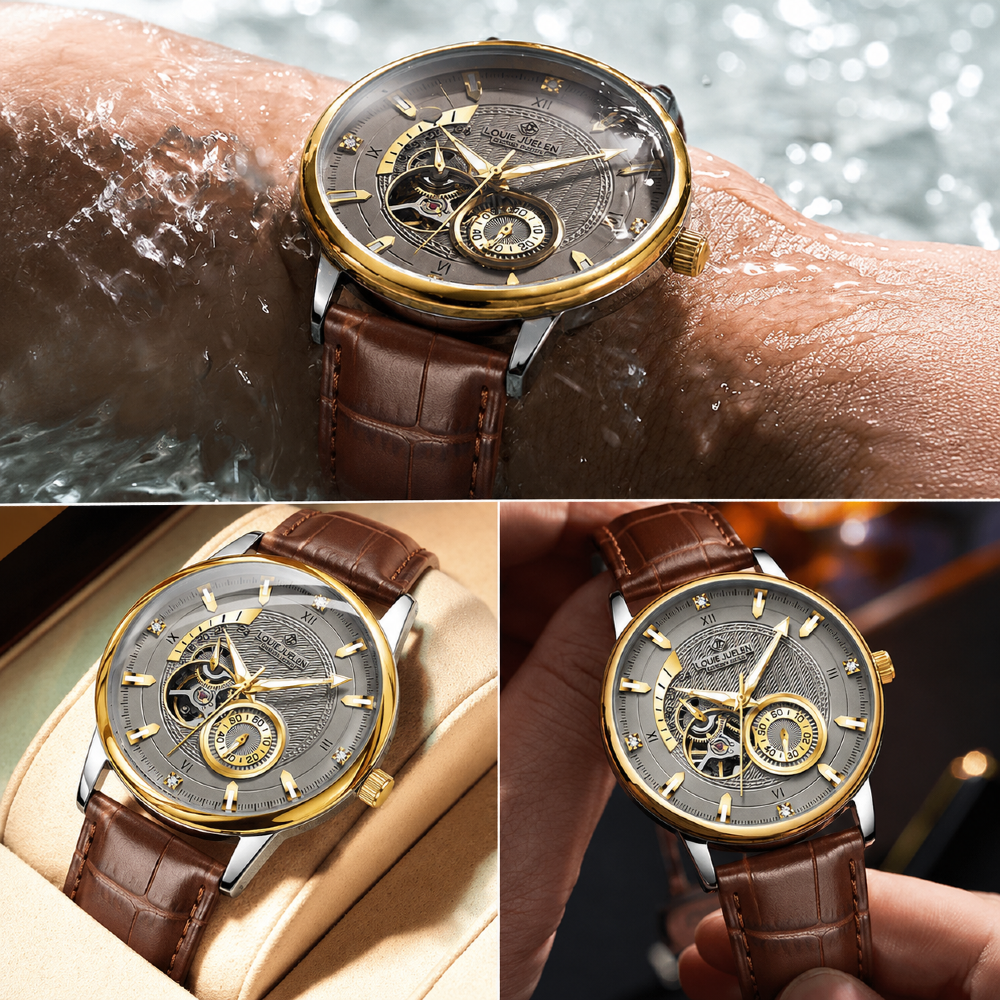
Louis Juelen Luxury Automatic(Tourbillion ) Premium Watch
Automatic Watch Winder
₦85,000
₦150,000
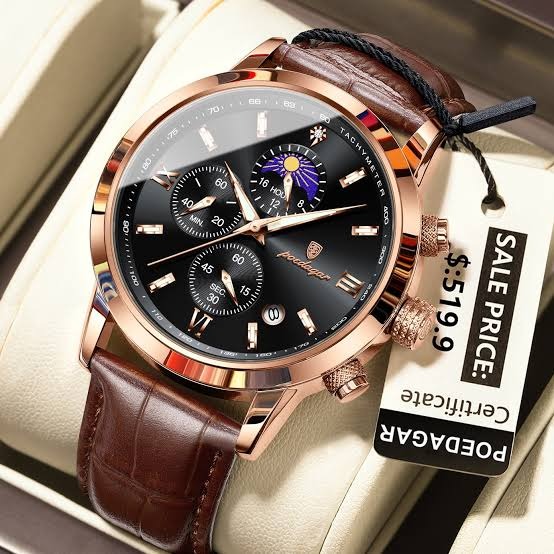
Poedagar Chronograph Luxury Watch
Free 24ml luxury Roll On oil perfume
₦45,000
₦65,000

Louis Juelen Automatic Chain Strap
Automatic Watch Winder
₦140,000
₦250,000
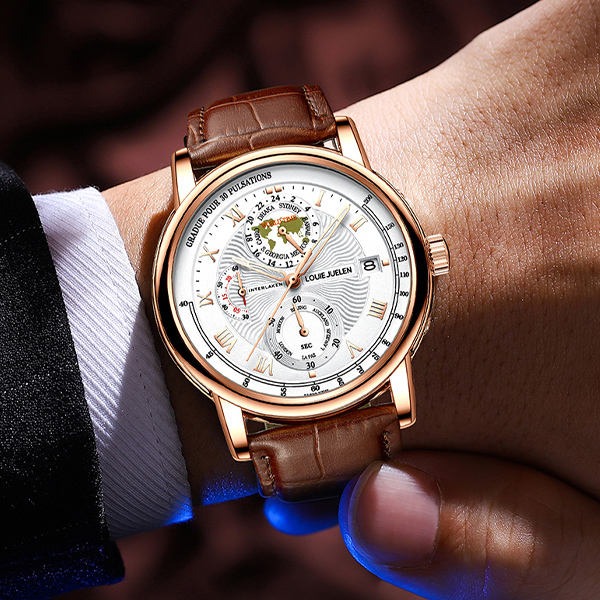
Louis Juelen Luxury Chronograph Leather Watch
Free 24ml luxury Roll On oil perfume
₦55,000
₦85,000