


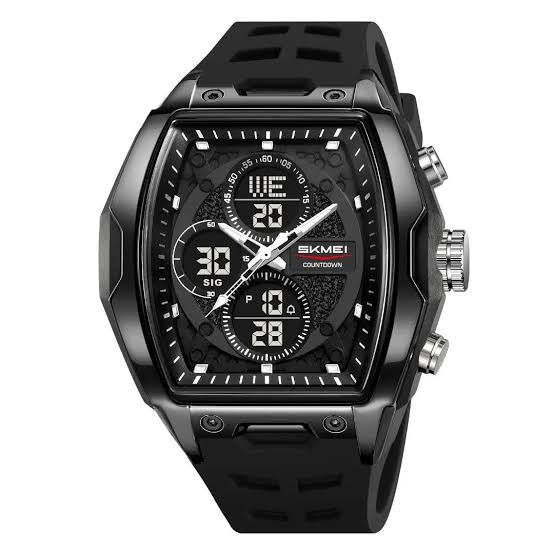


The Best Watches for Doctors, Nurses and Healthcare Workers on Long Shifts
If you work in scrubs or a white coat, you already know the problem. You buy a good-looking watch, wear it for two weeks on the ward, and then either your supervisor asks you to take it off, or the strap starts smelling like a hospital corridor no matter how often you wipe it down. Here is the truth: most watches sold as "smart" or "luxury" were never designed with a 12-hour shift, constant handwashing and infection control audits in mind. Finding the right watches for doctors and nurses is less about brand prestige and more about solving a very specific set of practical problems that an office worker never has to think about.
This guide walks through what actually matters when you are choosing a watch for clinical work, why some hospitals ban wristwatches outright, and which styles genuinely hold up to soap, sanitiser and constant use.
Why Hospitals Restrict Wristwatches in the First Place
Many hospitals now enforce "bare below the elbows" policies that limit or ban wristwatches on clinical staff, and the reason is hygiene, not fashion. Proper handwashing technique is supposed to cover the fingers all the way up to the mid-forearm, and a watch strap physically blocks that. Studies comparing healthcare workers with and without wristwatches have found higher bacterial counts on the skin trapped under a watch band, which is exactly the kind of finding that gets a policy written.
This does not mean doctors and nurses cannot wear a watch at all. It means the watch has to fit around the rules rather than fight them. A lot of staff solve this with a fob watch, which pins or clips to the front of a uniform or scrubs top instead of sitting on the wrist. Others choose a watch with a strap that can be fully sanitised in seconds, so it clears infection control checks even when worn above the cuff line. Before you buy anything, it is worth checking your own workplace's dress code policy, because "bare below the elbows" rules vary by hospital, by ward, and sometimes even by shift.
The Non-Negotiable Features for Clinical Work
A watch built for healthcare work needs a legible sweeping second hand, water resistance strong enough for repeated handwashing, and a strap that can be wiped down or disinfected without degrading. These three things separate a watch that survives a nursing career from one that dies in its first month on the ward.
Here is what to look for, in order of importance:
- A prominent, sweeping second hand. Counting a patient's pulse or respiration rate over 15 or 30 seconds is still a basic clinical skill, and a smooth sweeping second hand (or a clear digital seconds counter) is genuinely easier to track against than a jumpy quartz tick. This one feature quietly disqualifies a lot of otherwise attractive dress watches that hide the seconds in a small sub-dial.
- Real water resistance, not just splash resistance. You are washing your hands dozens of times a shift, sometimes with hot water and harsh soap. A rating of at least 5 ATM (50 metres) is the sensible minimum, and 10 ATM (100 metres) gives you a comfortable margin so the crown and gaskets are not working at their limit every single day.
- A strap you can actually disinfect. Leather absorbs sweat, alcohol gel and odour, and it is genuinely difficult to keep hygienic under a badge check. Silicone, rubber and solid stainless steel bracelets wipe clean in seconds and do not degrade when you hit them with an alcohol swab repeatedly.
- High-contrast dial and luminous hands. Night shifts are a normal part of medicine and nursing. When the ward lights are dimmed at 3am and you need the time or a pulse count, a dial with strong lume on the hands and hour markers saves you from squinting at a phone.
- Shock resistance and a simple, robust movement. You are lifting patients, pushing trolleys and reaching into cupboards all day. A rugged quartz or solar movement that shrugs off knocks is far more useful here than a delicate mechanical piece you have to baby.
- Military time (24-hour) display, if your documentation uses it. Many hospitals chart in 24-hour time to avoid AM/PM confusion in notes, so a watch that can show or toggle to 24-hour format removes one small source of charting error.
Fob Watch, Scrub Watch or Wrist Watch: Picking Your Format
Not every clinical role needs the same solution, because the "bare below the elbows" rule mostly applies to hands-on patient contact, while many doctors, pharmacists and admin-facing clinical staff still wear a wristwatch daily. The table below compares the three formats you will actually see on a ward.
| Format | Where it sits | Best for | Hygiene handling |
|---|---|---|---|
| Fob watch | Pins or clips to scrubs/uniform front | Nurses, midwives, ward staff under strict bare-below-elbows rules | Detach and wipe the case; no strap to trap bacteria |
| Silicone scrub watch | Worn on the wrist, silicone or rubber strap | Doctors, paramedics, techs who need a wrist watch but wash hands constantly | Full strap wipes down with alcohol gel in seconds |
| Classic steel or leather watch | Worn on the wrist, above the cuff | Consultants, GPs, admin-heavy clinical roles, off-duty wear | Steel bracelets wipe clean easily; leather is harder to sanitise and best kept for non-clinical hours |
If your ward enforces bare arms during patient contact, a fob watch or a spare in your pocket solves the problem completely without you needing to remove a wristwatch fifty times a shift. If you are cleared to wear a wristwatch, a silicone or rubber strap on a simple, water resistant case gives you the best of both worlds: something that reads a clock properly and survives being sanitised between every patient.
Analog, Digital or Smartwatch: Which Actually Wins on a Ward
A digital watch generally wins for pure functionality in clinical settings because it gives an exact time reading at a glance, often includes a stopwatch and countdown timer useful for procedures or medication timing, and tends to come in tougher, more water resistant cases than dress-style analogs. That said, plenty of experienced nurses stick with a simple analog dial precisely because the sweeping second hand is the easiest format for counting a pulse without doing mental subtraction from a digital display.
Smartwatches deserve an honest word of caution here. A smartwatch sitting on the wrist has exactly the same hand hygiene problem as any traditional watch, since it still blocks proper forearm washing and still sits under a band that can harbour bacteria. Some hospitals extend bare-below-the-elbows rules to cover smartwatches specifically for this reason, so check your workplace policy before relying on one for clinical shifts. A smartwatch can be genuinely useful for step tracking, shift alarms and quick notifications during breaks or off-duty hours, but treat it as a personal convenience device rather than your on-the-clock timepiece if your ward has strict hygiene rules.
Building a Two-Watch Routine That Actually Works
The simplest fix for the whole problem is to stop trying to make one watch do everything. Keep a rugged, water resistant, easy-clean watch (fob or silicone-strapped) strictly for shifts, and save a nicer dress or steel watch for your commute, days off, and life outside the hospital. This is exactly how most experienced clinicians solve the tension between hygiene rules and wanting a watch that looks put together.
A sensible two-watch routine looks like this:
- A shift watch: silicone or rubber strap, at least 5 ATM water resistance, sweeping second hand, luminous dial, under a price point where losing or damaging it does not sting.
- An off-duty watch: something with a bit more presence, a steel bracelet or leather strap, worn to dinners, on your commute, or on rest days when you are not scrubbing in.
This approach also protects your nicer watch. A stainless steel dress watch worn every single shift for years will show scuffs, strap wear and crown grime far faster than one that only comes out a few days a week. Shop our full watch collection here for options across both categories, from tough everyday steel pieces to something worth saving for your day off.
Getting the Fit and Size Right for Clinical Work
A watch worn during clinical work should sit snug enough that it does not swing forward over your hand while you are examining a patient or drawing up medication, but loose enough to slide up your forearm easily when you wash your hands. Oversized cases look great in a boardroom but tend to catch on gloves, curtains and equipment on a busy ward, so a modest 36 to 40mm case is usually the sweet spot for daily clinical wear regardless of gender. A slightly shorter strap or a bracelet with a quick micro-adjust clasp also helps, since your wrist can genuinely swell a little over a long shift on your feet.
What to Avoid Buying for Hospital Work
Skip anything with a leather strap for direct clinical use, since sweat, alcohol gel and repeated handwashing will crack and smell out a leather band within a few months no matter how well you maintain it. Also avoid watches with a busy, low-contrast dial, deeply recessed pushers that trap grime, or a water resistance rating below 30 metres, since none of these hold up to the reality of a working shift. If you love a leather-strapped piece, wear it off-duty and keep a separate strap or watch for the ward.
Ready to build your own two-watch routine? Browse durable everyday watches here for shift-ready pieces, or look for a classic dress watch for your days off if you want something with a bit more polish for outside the hospital.
Frequently Asked Questions
Can nurses wear watches on the ward at all?
It depends on your hospital's policy. Many wards enforce bare-below-the-elbows rules that restrict wristwatches during direct patient care, in which case a fob watch clipped to your uniform is the usual workaround. Where wristwatches are allowed, a silicone-strapped, water resistant watch is the safest choice.
Why do nurse fob watches face upside down?
A fob watch is designed to clip upside down on the chest pocket so that when you glance down at it, the dial reads right-side up from your point of view instead of appearing inverted, the same logic pocket watches used a century ago.
What water resistance rating do I actually need for a hospital shift?
A minimum of 5 ATM (50 metres) is enough for constant handwashing and the occasional splash, but 10 ATM (100 metres) gives extra headroom so the seals are not working at their limit every day, which matters given how often clinical staff wash their hands per shift.
Are smartwatches allowed for nurses and doctors?
Some hospitals allow them, but plenty extend bare-below-the-elbows rules to cover smartwatches too, since a smartwatch band creates the same hygiene problem as a traditional strap. Check your own workplace policy, and treat a smartwatch as a personal, off-duty convenience rather than your default clinical timepiece if in doubt.
Featured in our collection
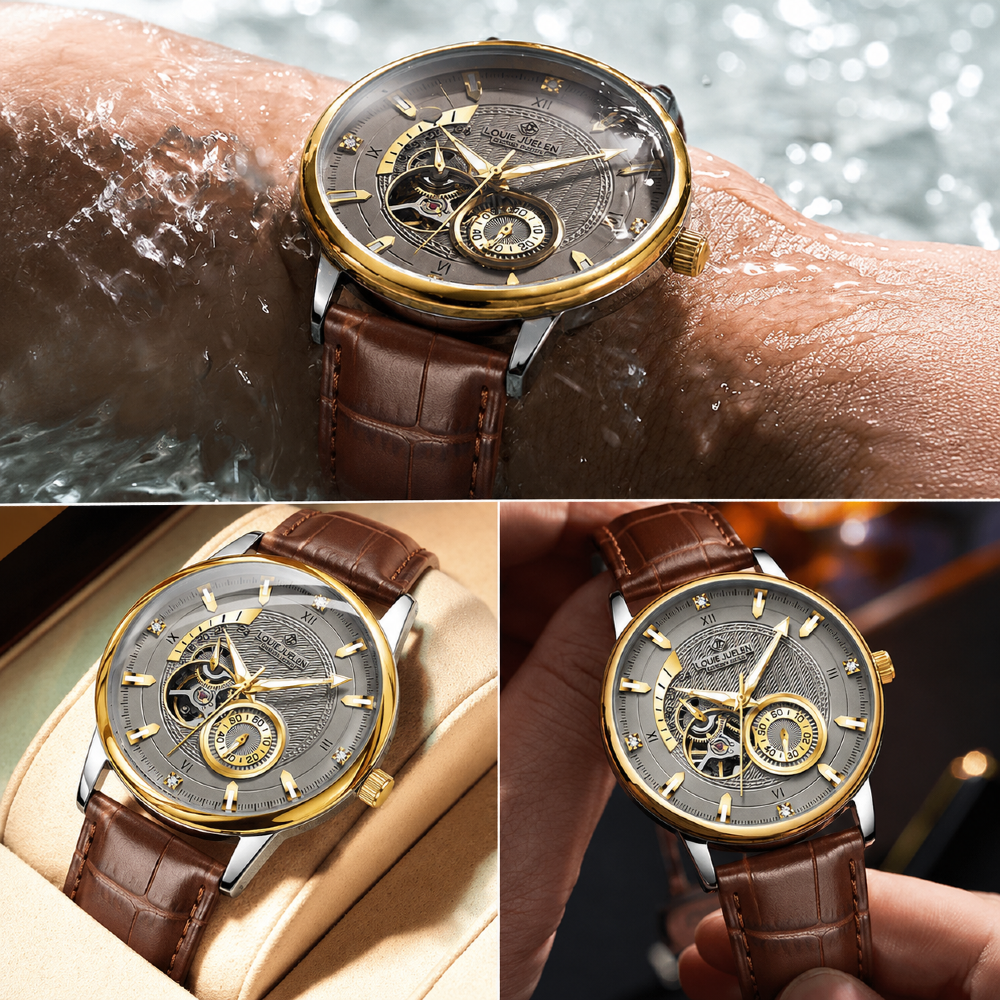
Louis Juelen Luxury Automatic(Tourbillion ) Premium Watch
Automatic Watch Winder
₦85,000
₦150,000
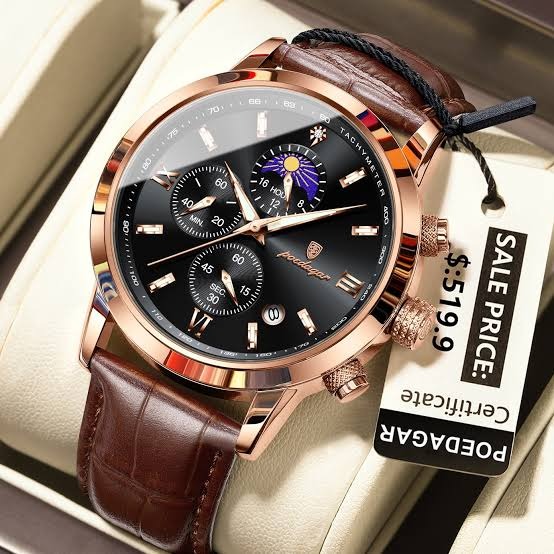
Poedagar Chronograph Luxury Watch
Free 24ml luxury Roll On oil perfume
₦45,000
₦65,000

Louis Juelen Automatic Chain Strap
Automatic Watch Winder
₦140,000
₦250,000
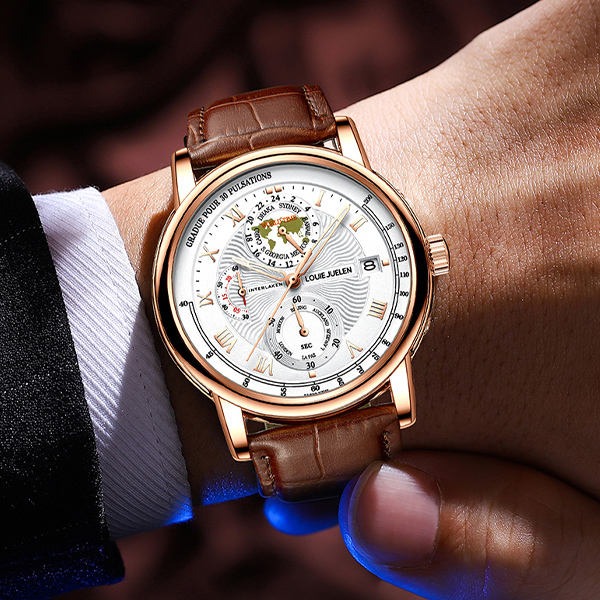
Louis Juelen Luxury Chronograph Leather Watch
Free 24ml luxury Roll On oil perfume
₦55,000
₦85,000