



Square Watch vs Round Watch: Which Shape Suits Your Wrist?
You have stood in front of two watches, one square and one round, and felt genuinely stuck. It is not a small decision. Case shape changes how a watch sits on your arm, how it reads under a cuff, and whether people notice it at all. Get the square watch vs round watch call wrong and you end up with a piece that looks awkward in every photo or one that disappears into the background when you actually wanted it to stand out. Here is the truth, most people choose based on which one looked nicer online, without ever checking how it behaves on an actual wrist. That is the mistake this guide fixes.
What Is The Real Difference Between A Square Watch And A Round Watch
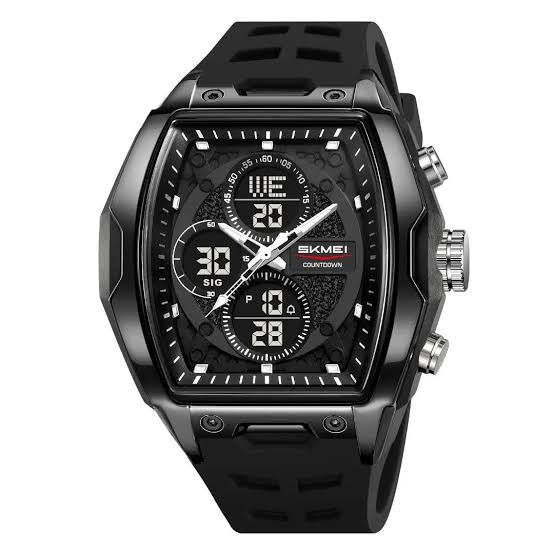
A round watch has a circular case that follows the natural curve of the wrist, while a square or rectangular watch has straight edges and defined corners that sit across the wrist rather than around it. The round shape has dominated watchmaking for over a century because it is simple to manufacture and universally comfortable. The square shape, popularised by pieces like the Cartier Santos and the TAG Heuer Monaco, was a deliberate design statement from the start, built to look architectural and modern rather than to disappear on the arm.
That difference in intent still shows up today. A round watch tends to read as "a watch." A square one reads as "a choice." Neither is better on paper. What matters is which shape matches your wrist, your wardrobe and the impression you want to give.
How Your Wrist Size Should Decide Between Square And Round
Your wrist circumference and flatness matter more than any style preference, because case shape interacts directly with how the watch sits and whether it wobbles or digs in. Here is how to read your own wrist before you buy either shape.
- Slim or narrow wrists (under 16.5cm): Round cases in the 36 to 39mm range curve naturally with a small wrist and rarely feel top heavy. A square case can still work here, but keep it small, 34 to 38mm, and thin, because a large square case on a thin wrist looks like it is wearing you rather than the other way round.
- Average wrists (16.5 to 18.5cm): This is the forgiving zone. Both shapes work well at 38 to 42mm round or 36 to 40mm square. This is genuinely the easiest wrist size to shop for, so if you fall here, let your outfit and personality decide, not fit anxiety.
- Larger or flatter wrists (over 18.5cm): A 40 to 44mm round case wears comfortably, and a bold square case, 38mm and above, actually looks proportionate rather than overwhelming. Larger, flatter wrists can carry the geometric weight of a square case better than narrow ones, because there is more surface area for the straight edges to sit against without tipping to one side.
- Flat wrist profile (regardless of circumference): If your wrist is more flat than rounded when you look at it from the side, square cases tend to sit flush and look intentional. Very curved wrists sometimes cause a square case to rock slightly, so test the fit in person if you can before committing.
Something worth noting, a rectangular or square watch usually wears larger than its case number suggests, because the corners create visual contrast against the wrist. A round watch wears close to true size. So if you are comparing a 38mm round piece against a 38mm square one, expect the square to feel and look like the bigger watch on the wrist.
Square Watch Vs Round Watch For Formal And Office Wear
For strict formal wear, a slim square watch with a clean dial and a leather strap is actually the more considered choice, because rectangular cases like the Cartier Tank and Longines DolceVita carry decades of dress-watch heritage and slide cleanly under a shirt cuff. Round watches are the safer default for the office because they read as neutral and professional without drawing attention, which suits people who prefer their watch to support the outfit rather than lead it.
If your job involves client meetings, presentations, or a lot of handshakes, a slim square watch under 9 to 10mm thick is worth trying. It has quiet confidence without shouting for attention. If you would rather your watch simply do its job and never become a talking point in a meeting, round is the more relaxed choice, and it is genuinely hard to go wrong with a clean 40mm round dress watch in a corporate setting.
For everyday office wear where you are not in front of clients constantly, round still wins on comfort across a full workday, especially if you type a lot or rest your wrist on a desk edge, since the smooth case will not catch on your sleeve the way a squared corner sometimes can.
Comparison Table: Square Watch Vs Round Watch At A Glance
| Factor | Square Watch | Round Watch |
|---|---|---|
| Best wrist type | Larger, flatter wrists; small square sizes work on slim wrists too | Suits nearly every wrist size and shape |
| Visual presence | Bold, architectural, reads bigger than case size | Neutral, classic, reads true to size |
| Formal wear | Strong choice with a slim case and leather strap | Safe, universally accepted default |
| Everyday comfort | Can feel less ergonomic on very curved wrists | Naturally comfortable, no edges to catch on sleeves |
| Style statement | Deliberate, stands out, invites comments | Understated, versatile, blends in |
| Cuff clearance | Slides under a cuff cleanly if slim (under 10mm) | Slides under a cuff easily at almost any thickness |
| Personality fit | Suits confident, fashion-forward dressers | Suits anyone who wants one watch for everything |
Use this table as a starting point, then weigh it against your own wrist measurement and how much attention you actually want your watch to draw.
Styling A Square Watch Without It Looking Forced
A square watch works best when the rest of your outfit has some structure to match its geometry, since pairing sharp lines with sharp tailoring looks intentional while pairing it with soft, shapeless clothing can make the watch look out of place. Try these approaches:
- Pair with tailored pieces. A structured blazer, a crisp shirt, or a well-cut trouser complements the straight lines of a square case far better than loose, flowing fabric.
- Keep the dial simple for work. Save busy or heavily decorated square dials for weekends, and choose a clean two-hand or three-hand layout for the office.
- Match metal tones. If your square watch has a steel case, keep your belt buckle, cufflinks and shoe hardware in the same tone family for a composed look.
- Let it be the statement piece. Because a square watch already draws the eye, keep other jewellery minimal so the watch does not have to compete with a loaded wrist.
- Choose the right strap. A leather strap dresses a square watch up, while a metal bracelet or NATO strap pulls it toward smart-casual or weekend territory.
Styling A Round Watch For Maximum Versatility
A round watch earns its reputation for versatility by working across dress, casual and sport settings without ever reading as a deliberate fashion statement, which makes it the easier shape to build a small watch collection around. If you only want to own one or two watches for the rest of the decade, round is genuinely the lower-risk choice.
- For weddings and formal events, a round dress watch with a slim case, a simple dial and a leather or mesh strap looks appropriate from the front row to the dance floor.
- For daily office wear, a round watch between 38 and 42mm with a steel bracelet covers meetings, commutes and casual Fridays without needing a second piece.
- For weekend and travel, a round sport or field watch with a slightly larger case and a rubber or fabric strap handles rough use without looking precious.
Caring For Either Shape: What Actually Differs
Square and round cases need the same fundamentals, regular cleaning, protection from knocks, and sensible water resistance habits, but the corners on a square case do need slightly more attention because dust and skin oils collect more easily where straight edges meet. Wipe the case and strap after wear with a soft, dry cloth, paying particular attention to the corners of a square case where grime tends to sit. Avoid banging a square watch against door frames or desk edges, since a knocked corner shows more visibly than a scuff on a smooth round case. Both shapes benefit from a genuine sapphire or hardened mineral crystal if you want long-term resistance to scratches, and both should be kept away from strong magnets and sudden temperature swings regardless of case shape.
Making Your Final Decision
If you are still torn, ask yourself three honest questions. Do you want a watch that people notice, or one that quietly does its job? Is your wrist on the narrower side, or does it have some width and flatness to carry a bold case? And will this watch mostly live under an office cuff, or out on show at social events? Your honest answers, more than any trend, will point you to the right shape.
Neither square nor round is objectively superior, and the real skill is matching the case to your wrist and your week rather than chasing whichever shape is trending. Explore our full watch collection here to compare square and round pieces side by side before you decide. If you already know your wrist leans toward a bold, architectural look, shop square and rectangular watches now and start with a slim case if this is your first one. And if versatility matters more to you than making a statement, browse our classic round watches for pieces that move easily from the office to the weekend.
Frequently Asked Questions
Are square watches harder to resize than round watches?
No, resizing a square watch bracelet or strap follows the same process as a round one, since the adjustment happens in the links or strap holes rather than the case shape itself. The case shape has no real bearing on how easy the strap is to fit.
Do square watches suit women as well as men?
Yes, square and rectangular cases have a long history in women's watches, from classic tank-style pieces to modern minimalist designs, and smaller square cases in particular flatter narrower wrists very well. Many women's dress watches are square specifically because the shape slides cleanly under a jacket cuff.
Which shape is better for a first luxury watch?
A round watch is usually the safer first choice because it works across more situations without needing a second piece to fill the gaps, though a slim square watch makes a distinctive first choice if you already know your personal style leans toward bold, architectural design.
Does a square watch feel less comfortable than a round one on the wrist?
It can, especially on very curved wrists, since the straight edges do not follow the wrist's natural curve the way a round case does. Trying the watch on in person, or choosing a smaller, thinner square case, largely solves this for most wrist shapes.
Featured in our collection
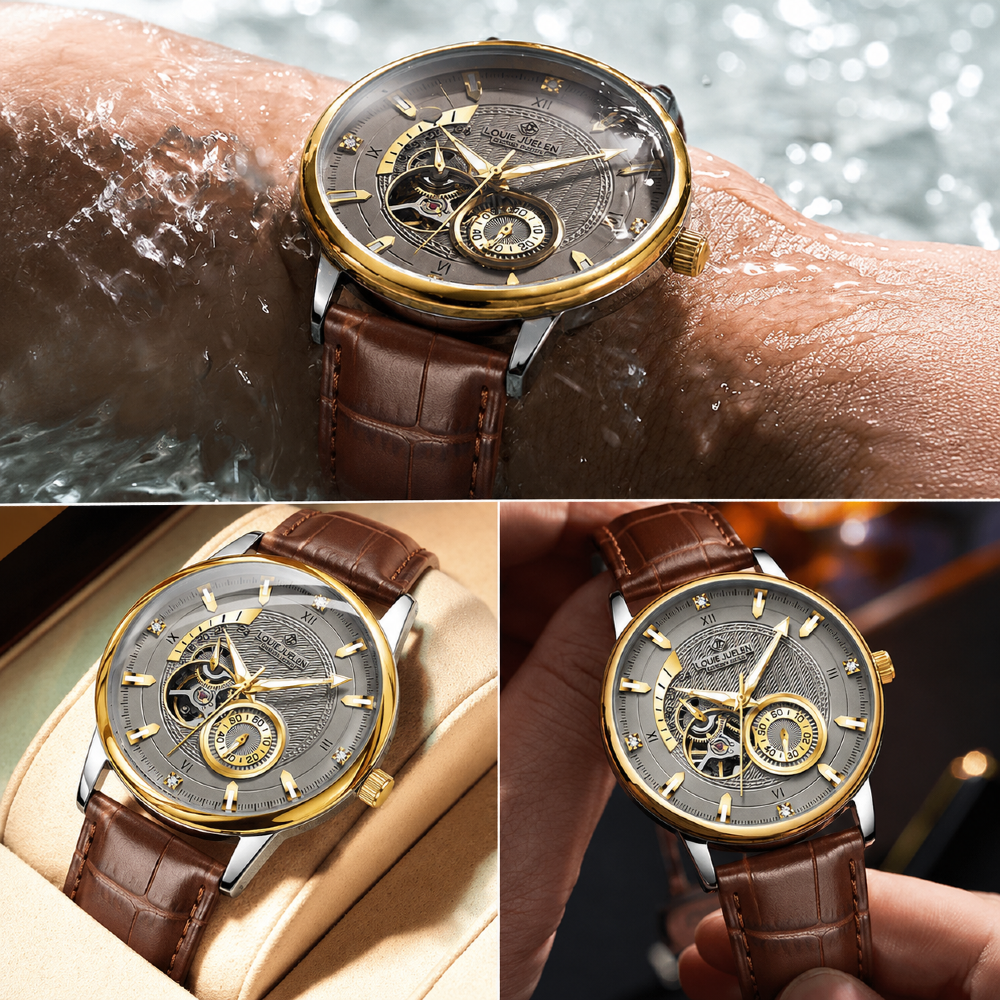
Louis Juelen Luxury Automatic(Tourbillion ) Premium Watch
Automatic Watch Winder
₦85,000
₦150,000
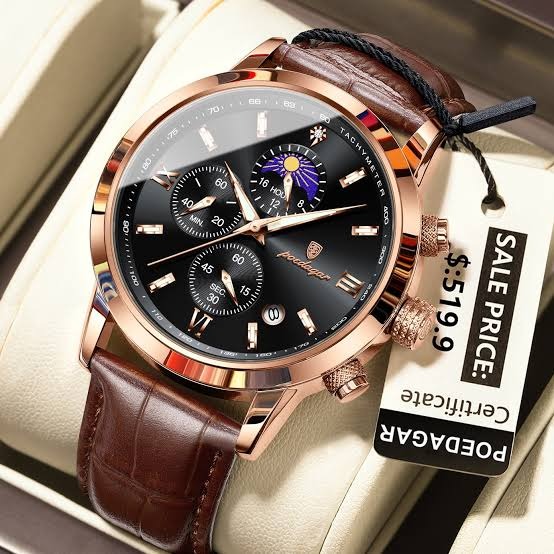
Poedagar Chronograph Luxury Watch
Free 24ml luxury Roll On oil perfume
₦45,000
₦65,000
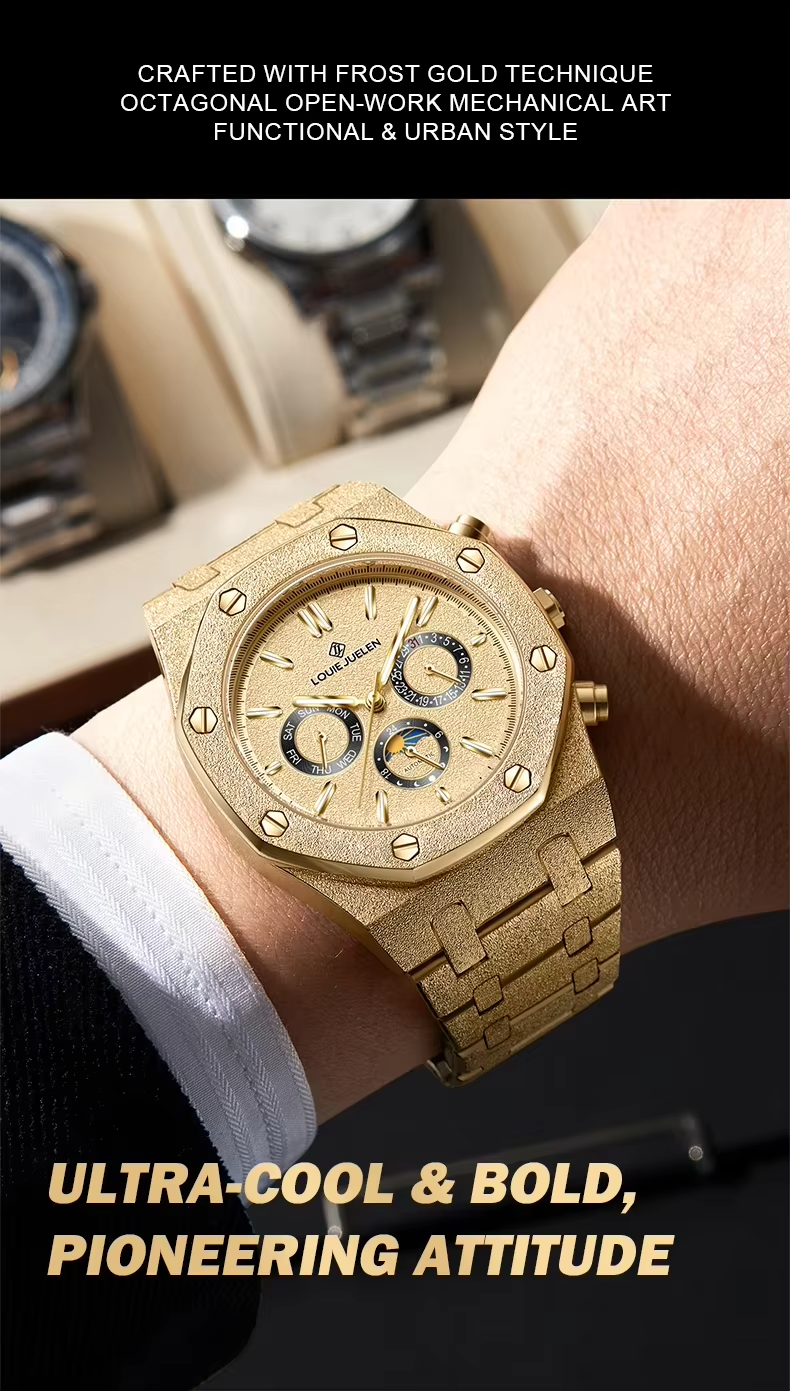
Louis Juelen Automatic Chain Strap
Automatic Watch Winder
₦140,000
₦250,000
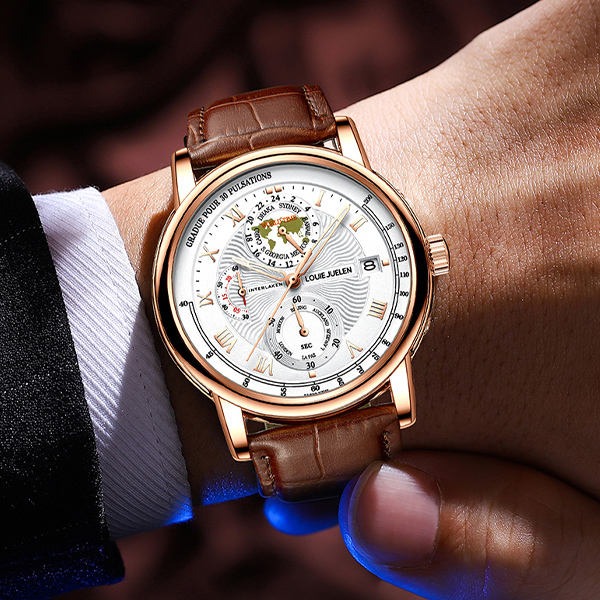
Louis Juelen Luxury Chronograph Leather Watch
Free 24ml luxury Roll On oil perfume
₦55,000
₦85,000