

Quick Weave vs Sew-In: Which Install Is Right for You?
You are standing in front of the mirror trying to decide, again, whether to book a quick weave for Friday or commit to a proper sew-in. It is a real dilemma. One promises speed and a fresh look before the weekend. The other promises longevity but eats a whole Saturday afternoon in the chair. Choosing the wrong one for your hair type, your schedule or your budget is how women end up with thinning edges, a loose install by week two, or a bill they did not plan for. This guide breaks down quick weave vs sew-in with zero fluff, so you know exactly which install suits your hair, your calendar and your goals.
What Is the Real Difference Between a Quick Weave and a Sew-In?
A quick weave is bonded, meaning the wefts are glued directly onto a protective cap or track placed over your cornrowed or flat-twisted hair, while a sew-in is stitched, meaning the wefts are sewn with a needle and thread onto cornrows using no glue at all. That single difference in method changes almost everything else about the two styles, from how long they last to how your natural hair feels underneath when you finally take them out. Quick weaves lean on adhesive for speed. Sew-ins lean on thread and braid pattern for security and breathability. Neither method is "bad" on its own. The right choice depends on your scalp sensitivity, how much time you can spend in the chair, and how long you actually want the style to hold.
How Long Does Each Install Actually Last?
A quick weave typically lasts 2 to 4 weeks before the glue starts to loosen, while a well-braided sew-in can hold for 6 to 8 weeks and sometimes stretch to 10 to 12 weeks with excellent hair, technique and maintenance. Here is the truth about why that gap exists. Glue is sensitive to moisture, sweat, humidity and everyday friction from your pillow or your scarf. Once it starts breaking down, the tracks shift and the whole unit can look worn even if the hair itself is fine. Thread does not care about humidity the same way. A tight cornrow foundation holds its shape for weeks, which is why sew-ins are the go-to choice for anyone planning a long stretch between salon visits, a holiday, or an extended work trip where touch-ups are not an option.
Which Install Is Better for Your Natural Hair Health?
Sew-ins are generally considered gentler on natural hair because there is no adhesive touching your scalp or strands, while quick weaves carry a higher risk of buildup, tension and breakage if the glue bonds directly to your hair instead of just the cap. The real problem with quick weaves is what happens at removal, not at install. If the wig cap is thin or poorly sealed, bonding glue can seep through and fuse with your natural strands underneath. Pulling that apart later, especially without the right removal solvent, can strip hair straight out at the root and leave your edges patchy. A sew-in avoids that risk almost entirely because there is nothing to dissolve, only thread to snip. That said, a sew-in is not automatically "safe" by default. Braids that are too tight will cause tension alopecia at the hairline just as fast as bad glue will, so the skill of your braider matters as much as the method itself.
To reduce risk with a quick weave, ask your stylist for:
- A breathable dome cap instead of a cheap stocking cap, which limits how much glue contact reaches your scalp
- A bond barrier or protective liquid cap applied to your natural hair before the wig cap goes on
- Gentle, oil-based removal, never dry pulling or ripping tracks off in a hurry
Cost, Install Time and Convenience: What Fits Your Schedule?
A quick weave usually costs less and takes roughly 1 to 2 hours in the chair, while a sew-in costs more because it requires cornrowing plus a longer stitching process that can run 3 hours or more depending on the number of tracks. If you need a style for a weekend event, a spontaneous trip, or you simply cannot sit still for half a day, the quick weave wins on convenience. If you are the kind of woman who wants to install once and not think about her hair again for six to eight weeks, the sew-in is worth the extra time and cost upfront. Think of it as paying for the appointment you skip in week three, not just the one you sit through today.
Quick Weave vs Sew-In: Side-by-Side Comparison
| Factor | Quick Weave | Sew-In |
|---|---|---|
| Attachment method | Bonding glue onto a wig cap or tracks | Needle and thread onto cornrows |
| Typical lifespan | 2 to 4 weeks | 6 to 8 weeks, up to 10 to 12 with great care |
| Install time | About 1 to 2 hours | 3 hours or more |
| Natural hair risk | Higher, if glue bonds to strands | Lower, but tight braids can cause tension |
| Best foundation hair | Straighter, more manageable textures under the cap | Cornrow-ready hair, works well for most types |
| Removal | Needs oil-based solvent to dissolve glue | Simply unpicked with thread snips |
| Budget fit | More affordable, fewer materials | Higher cost, more skilled labour |
| Ideal for | Quick style changes, weekend events, testing a new look | Long-term protective styling, travel, low-maintenance weeks |
Choosing the Right Bundles and Closure for Either Method
Whichever install you choose, the quality of the hair you put on it decides how the style actually looks and feels. Cheap synthetic-blend wefts will not lay flat under a quick weave cap and they will not blend under a leave-out on a sew-in either. For a quick weave, choose bundles with a soft, natural weft base so the tracks sit flush and do not create visible ridges under thin hair. For a sew-in, pair your bundles with a matching closure or frontal so your parting and hairline look seamless, and make sure the hair texture matches your leave-out if you are blending with your own edges. Shop our human hair bundles and closures here to build either install on a foundation that actually holds its curl pattern and shine past week one.
Styling and Everyday Care for Both Methods
Once installed, both styles need a slightly different care rhythm to stay looking fresh and to protect what is underneath. For a quick weave:
- Avoid heavy oils directly at the base, since oil can weaken the glue bond faster
- Use a light leave-in mist mid-lengths to ends only, keeping the roots dry
- Sleep in a satin or silk bonnet to reduce friction on the tracks
For a sew-in:
- Wash every 1 to 2 weeks and dry the braids completely under a hooded dryer afterward, since trapped moisture under wet cornrows is the fastest way to develop odor and mildew
- Moisturize your scalp and leave-out with a lightweight leave-in conditioner and natural oils to prevent dryness at the parting
- Book a tightening visit with your stylist every 4 to 6 weeks to fix any loosening threads before they show
- Wrap every night with a satin bonnet or silk scarf, no exceptions
If you swim in either style, rinse and condition immediately afterward. Chlorine and salt water are rough on both glue bonds and braided foundations, so a swim cap is your best friend during pool season.
Signs It Is Time to Take Your Install Down
Do not wait for visible damage before removing your weave, since both quick weaves and sew-ins send early warning signs that it is time to come out. Watch for persistent itching that will not settle with washing, visible shifting or lifting at the tracks, a musty smell even after washing and drying, or tension headaches along the hairline. Any one of these means the install has done its job and it is time to give your scalp a proper break. Trying to stretch a quick weave past a month or a sew-in past twelve weeks rarely ends well for your edges.
Both installs have earned their place in Nigerian protective styling for good reason. The quick weave gives you speed and a lower price point when life is busy. The sew-in gives you staying power and peace of mind when you want to set your hair and forget it for weeks at a time. Neither is objectively superior. What matters is matching the method to your calendar, your scalp, and how much maintenance you are honestly willing to keep up with. Browse our full hair collection here to find bundles, closures and frontals built to hold up under either technique.
Frequently Asked Questions
Can I do a quick weave without braiding my hair first?
Yes, a quick weave can be installed over cornrows, flat twists, or even hair that has simply been slicked down flat under a protective cap. Braiding first is not required, but a smooth, flat base always gives a neater result and reduces bumps under the wig cap.
Is a sew-in better than a quick weave for beginners who have never had extensions before?
A sew-in is generally the gentler starting point for first-timers because there is no bonding glue involved, which removes the biggest risk factor for accidental damage during removal. A quick weave can work too, as long as your stylist uses a protective barrier and removes it carefully.
How much leave-out should I have with a sew-in?
Most stylists leave out a perimeter of natural hair around the front hairline and sometimes the crown to blend the extensions and cover the tracks, though a closure or frontal sew-in can eliminate leave-out almost entirely for a fuller, more protective result.
Will a quick weave ruin my edges?
A quick weave will not damage your edges on its own, but poor installation, low-quality glue, or rough removal absolutely can. Choosing a breathable cap, applying a bond barrier, and letting a professional remove it with oil-based solvent keeps your edges safe.
Featured in our collection
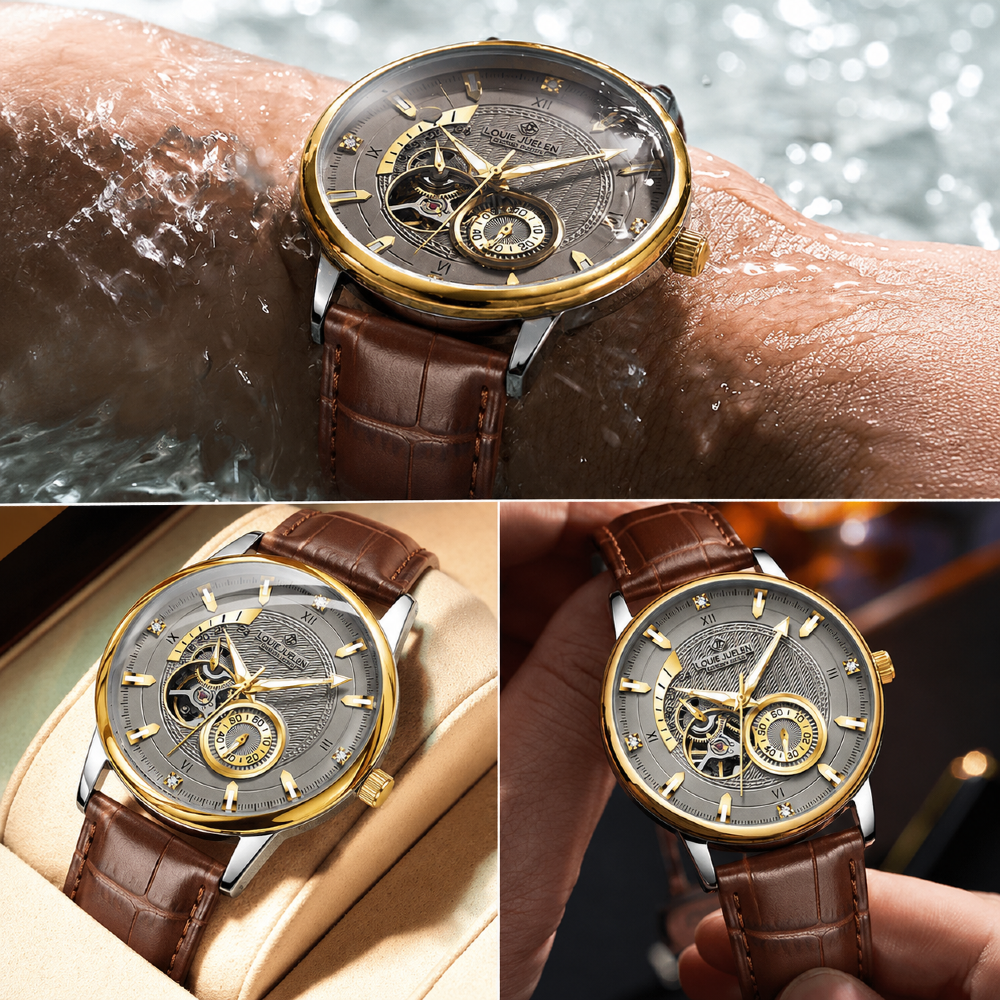
Louis Juelen Luxury Automatic(Tourbillion ) Premium Watch
Automatic Watch Winder
₦85,000
₦150,000
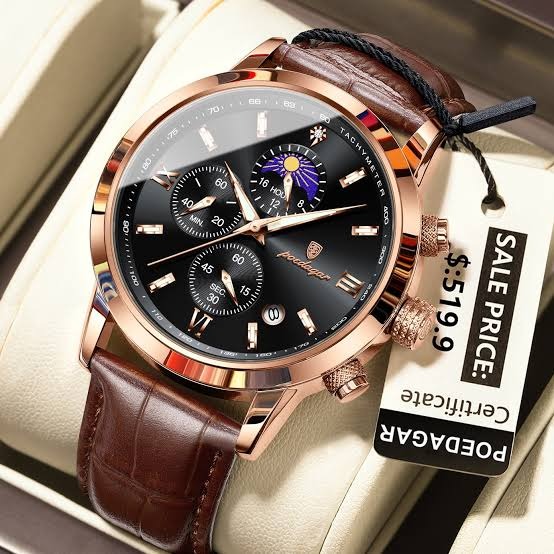
Poedagar Chronograph Luxury Watch
Free 24ml luxury Roll On oil perfume
₦45,000
₦65,000

Louis Juelen Automatic Chain Strap
Automatic Watch Winder
₦140,000
₦250,000