


Kinky Straight vs Yaki Straight Hair: Which Looks More Natural on You?
You have scrolled past both options a hundred times on a hair vendor's page and still cannot tell them apart from the thumbnail. Kinky straight. Yaki straight. Both promise a "natural" straight look, both sit near each other in the same product line, and both photos somehow look identical on your phone screen. Then you buy the wrong one, install it, and your leave-out refuses to blend. The new hair sits stiff and glassy next to your soft, textured edges, or it looks frizzy and full when you wanted something sleek for the office. That mismatch is the single most common regret we hear from first-time wig and bundle buyers in Lagos and Abuja alike.
Here is the truth about kinky straight vs yaki straight: they are not interchangeable, and the "more natural" one depends entirely on what your own hair looks like underneath. This guide breaks down the real texture difference, who each one flatters, and how to choose so your new hair actually reads as yours, not as a wig.
What Is the Real Difference Between Kinky Straight and Yaki Straight Hair?
Kinky straight hair mimics a freshly blow-dried Afro texture, full-bodied and slightly rough to the touch with visible micro-texture, while yaki straight hair mimics a relaxed or silk-pressed texture that looks smoother but still carries a soft, non-glassy finish. Think of it as two different points on the same straightening journey. Silky straight hair sits at one end of the spectrum, completely sleek and mirror-smooth. Yaki sits in the middle, straight but with a bit of body and grain. Kinky straight sits closest to natural, textured and voluminous, the way 4A to 4C hair looks right after a blow-out, before a flat iron ever touches it.
Run your fingers through both and the difference is obvious. Kinky straight feels coarser, almost like corn silk, with tight micro-bends that catch the light differently and give the hair extra volume at the root. Yaki straight feels finer and lies flatter, closer to hair that has been through a relaxer or a silk press, with only the faintest wave memory left in it.
Which Texture Actually Looks More Natural on You
The honest answer is that neither texture is universally more natural. What looks natural is whichever one matches the hair growing out of your own scalp, especially at the hairline where your leave-out or edges meet the extension.
- If your natural hair is relaxed, silk-pressed, or naturally looser (3C to 4A), yaki straight will blend far more convincingly. It mimics the smooth, slightly grainy finish of chemically straightened Afro hair, so your edges and any leave-out will not fight the extension for attention.
- If your natural hair is 4B to 4C and you usually wear it in its full, blown-out state, kinky straight is the one that disappears into your own texture. Slick your natural edges with a light gel or leave a few kinky coils out and the join becomes almost invisible.
- If you are installing a full wig with no leave-out, the decision comes down to the look you want rather than blending. Yaki gives you an elegant, put-together finish that reads as "salon blowout." Kinky gives you a fuller, more youthful, lived-in look that reads as "my hair, just longer."
To fix a common mistake, stop choosing based on the product photo alone. Vendors light and style kinky and yaki very differently for marketing, which makes them look more similar than they are in hand. Always check the texture description, and when possible, ask for a texture swatch or close-up video before committing to a full unit.
Styling Versatility: What You Can and Cannot Do With Each
Yaki straight holds a flat iron result longer and takes heat styling changes more easily, while kinky straight resists heat damage better but reverts to its natural bend faster if you try to straighten it further. This matters if you like to switch your look often.
With yaki straight, you can:
- Flat iron it bone straight for a sleek finish without much extra effort
- Curl it into loose waves or a bouncy blowout style that holds for days
- Wear it in low buns and sleek ponytails without visible texture clashing
With kinky straight, you can:
- Wear it as-is for a fuller, voluminous everyday look
- Add a light steam or gentle heat pass to soften the texture slightly without flattening it completely
- Style it into twist-outs, braid-outs, or puffs that look genuinely natural, something yaki cannot pull off convincingly
Both textures are made from human hair in most quality collections, which means both can be heat styled, coloured with care, and restyled over time, unlike synthetic fibre that melts or loses its pattern permanently once it meets heat.
Kinky Straight vs Yaki Straight: Quick Comparison
| Factor | Kinky Straight | Yaki Straight |
|---|---|---|
| Texture feel | Coarse, corn-silk like, tighter micro-bends | Smoother, finer, slight grain like a silk press |
| Volume | Fuller and more voluminous at the root | Sleeker, less bulk, closer to the head |
| Best match for | 4B to 4C natural hair, blow-out lovers | Relaxed, silk-pressed, or looser natural hair |
| Everyday vibe | Playful, youthful, textured | Polished, elegant, office-ready |
| Heat styling | Reverts faster, best worn close to natural state | Holds flat-iron and curl results longer |
| Edge blending | Easiest with natural 4C edges left out | Easiest with slicked or relaxed-looking edges |
| Maintenance | Needs regular moisturising and detangling | Lower maintenance, wash every 4 to 6 weeks |
| Ideal occasion | Casual outings, natural hair days, festivals | Interviews, weddings, formal events |
Caring for Kinky Straight Hair Without Losing the Texture
Kinky straight hair needs more moisture and gentler handling than yaki because its tighter micro-bends dry out and tangle faster, so a consistent leave-in and detangling routine is non-negotiable. Skip this step and you will watch the texture mat at the nape within weeks, which is the number one complaint we hear about kinky units bought without a care plan.
Keep it looking fresh with these habits:
- Detangle before you wash, working in small sections from the tips upward with a wide-tooth comb or your fingers, never a fine-tooth comb on dry hair.
- Deep condition every wash, since the coarser texture drinks up moisture faster than yaki or silky strands.
- Seal with a light oil, such as argan or jojoba, after every wash to lock moisture in without weighing the volume down.
- Sleep on satin or silk, either a bonnet or pillowcase, to stop the strands from drying out and matting overnight.
- Avoid daily heat, since kinky straight is meant to be worn closer to its natural bend. If you must straighten it further for an event, use a heat protectant and keep the iron on a moderate setting.
Caring for Yaki Straight Hair So It Stays Sleek
Yaki straight is the lower-maintenance option of the two, needing only regular gentle washing, light conditioning, and satin protection to stay smooth for months. Because it already sits close to a pressed finish, it does not demand the intensive moisture routine that kinky straight does.
A simple weekly rhythm works well:
- Wash every 4 to 6 weeks unless you sweat heavily or live somewhere dusty, then rinse more often with a sulphate-free shampoo
- Use a lightweight leave-in conditioner rather than a heavy butter, which can make yaki look greasy instead of glossy
- Touch up with a flat iron only when needed, since over-styling gradually strips the texture's natural grain
- Store on a wig stand or in a satin bag when not in use to prevent flattening and friction
Shop kinky straight and yaki straight bundles and wigs here if you already know which texture matches your hairline, or browse both side by side before you decide.
How Nigerian Climate and Lifestyle Affect Your Choice
Humidity, sweat, and frequent styling changes all wear differently on kinky and yaki textures, so your daily routine matters as much as your hair's natural pattern when picking between them. If you commute in heavy traffic under Lagos heat and sweat under your wig cap daily, yaki straight's lower maintenance and quicker wash cycle will save you real time. If you are someone who protective styles often and prefers a fuller, softer look that survives humidity without frizzing into an unintended texture, kinky straight already behaves the way your hair wants to behave in that weather, so there is less fighting against it.
Either way, both textures perform better with a proper wig cap underneath to control sweat and friction, and both benefit from a satin-lined cap if you wear wigs for long stretches during the week.
Making the Final Call
If you are still unsure, look in the mirror at your own hair on wash day, before any straightening. That is your honest answer key. Hair closer to a soft press points you toward yaki. Hair that is full, coily, and voluminous points you toward kinky. Buying to match your real texture, not the texture you wish you had, is what makes a unit disappear into your look instead of announcing itself.
Browse our full range of human hair textures here and compare kinky straight against yaki straight in person before you commit to a full install. If you are building a complete look for an event, pair your chosen texture with the right accessories too. Explore watches and jewellery to complete your look here.
Frequently Asked Questions
Can I mix kinky straight and yaki straight hair in the same install?
It is not recommended for a seamless result. The two textures behave differently under heat and humidity, so mixing them in one sew-in or wig usually creates a visible line where the textures meet. If you want both looks, buy them as separate units and switch between them instead.
Does kinky straight hair straighten with a flat iron to look like yaki?
You can flat iron kinky straight hair to smooth it further, but it will not fully match yaki's texture because the strand itself has more natural body built into it. For a permanent yaki-like finish, it is better to simply buy yaki straight from the start rather than trying to convert kinky straight with heat.
Which texture is better for a first-time wig wearer?
Yaki straight is often easier for beginners because it requires less daily maintenance and styles predictably with basic tools you likely already own. Kinky straight rewards you with a more natural, fuller look if your own hair is coily, but it does ask for a bit more moisture care to keep it looking its best.
Will yaki straight hair look too shiny or wig-like compared to kinky straight?
Good quality yaki should never look plastic-shiny. Genuine yaki straight is designed to mimic a relaxed or pressed finish, which has a soft, natural sheen rather than the glassy shine of silky straight synthetic hair. If a yaki unit looks unnaturally glossy, that is usually a sign of lower quality hair or too much product build-up, not the texture itself.
Featured in our collection
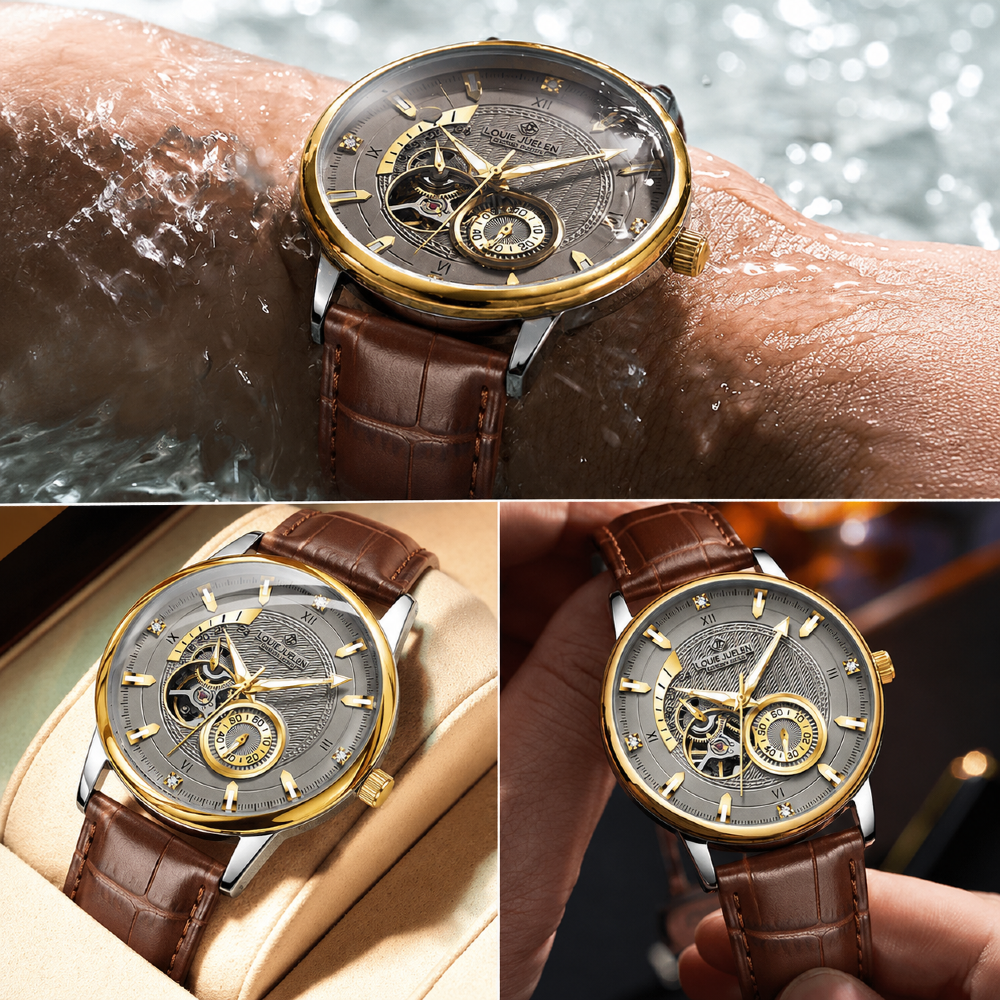
Louis Juelen Luxury Automatic(Tourbillion ) Premium Watch
Automatic Watch Winder
₦85,000
₦150,000

Poedagar Chronograph Luxury Watch
Free 24ml luxury Roll On oil perfume
₦45,000
₦65,000

Louis Juelen Automatic Chain Strap
Automatic Watch Winder
₦140,000
₦250,000