



How to Sell a Used Watch Safely and Get a Fair Price (Without Getting Scammed)
You finally decide to let go of a watch you no longer wear. Maybe it no longer fits your style, maybe you need the cash, or maybe you are simply upgrading. Then the anxiety sets in. Will you get a fair price, or will a stranger talk you down to half its worth? Will payment actually clear before you hand it over, or will you be left chasing a "buyer" who has already blocked your number? Selling a watch, especially a good one, is where a lot of owners get taken advantage of, because they know how to buy well but nobody ever taught them how to sell well.
The good news is that selling a used watch safely is a repeatable process, not luck. Get the preparation, pricing and payment method right, and you protect both your money and your watch.
How to Sell a Used Watch Safely: The Short Answer
Selling a used watch safely means verifying your watch's real market value first, gathering its box, papers and service history, choosing a payment method with no reversal risk, and only releasing the watch after funds have fully cleared in your account. Skipping any one of these steps is how honest sellers lose money to convincing scammers.
Every case of watch fraud we hear about, whether it happens on a local marketplace app or in a DM from a stranger, traces back to a seller skipping one of those four steps. Slow down, follow the order, and you close the door on almost every common scam.
Get Your Watch Ready to Sell: Cleaning, Servicing and Paperwork
A watch that looks and runs its best sells faster and for more money, because buyers pay a premium for confidence, not just for the timepiece itself. Before you list anything, do the following:
- Clean it properly. Wipe the case and bracelet with a soft, lint-free cloth. If there is grime in the links, use a soft toothbrush with a little mild soap and water, then dry thoroughly. Never soak a watch that is not confirmed water resistant, and avoid alcohol or harsh chemicals on the dial or crystal.
- Gather the box and papers. A warranty card, original receipt, manual and presentation box are not just nice extras. Industry data consistently shows a full box and papers set adds somewhere between 10 percent and 25 percent to resale value on branded watches, because they help a buyer confirm the reference number, serial number and purchase date all line up. If you genuinely lost the papers, say so honestly in your listing rather than hoping nobody asks.
- Pull together the service history. If the watch has ever been serviced, find the receipt or invoice. A documented service record tells a buyer the movement has been cared for, which matters enormously for anything automatic or mechanical.
- Fix small issues first. A cracked crystal, a stretched bracelet, or a battery that has died all cost far more in lost buyer confidence than they cost to repair. Spending a modest amount on a quick service or a new strap almost always pays for itself in the final sale price.
- Take honest photos in natural light. Show the dial, the case sides, the case back, the clasp, and any wear spots straight on. Buyers trust sellers who show flaws upfront far more than sellers whose photos look suspiciously perfect.
How to Price a Used Watch for a Fair Sale
Pricing a used watch fairly means checking what identical or near-identical models have actually sold for recently, not what similar watches are merely listed for, then adjusting that figure up or down based on your watch's specific condition and included accessories. Asking price and selling price are two very different numbers, and confusing them is the single biggest reason listings sit unsold for months.
Here is a simple three-step approach:
- Identify your watch exactly. Note the brand, model name, reference number if visible on the case back or between the lugs, dial colour, case size and bracelet type. Two watches that look almost identical can carry very different values if one detail differs.
- Check completed sales, not asking prices. Search recent sold listings on watch marketplaces rather than trusting what other sellers are hoping to get. Asking prices are often inflated by 15 to 30 percent above what watches genuinely sell for.
- Adjust for condition and completeness. A watch with light wear, all original parts, and box and papers sits at the top of the price range for its model. A watch with a scratched crystal, a worn bracelet, or missing paperwork should be priced noticeably lower, and pretending otherwise only wastes everyone's time.
Original, unmodified parts matter too. Swapping a bracelet, crown or bezel for an aftermarket part can quietly knock 15 to 40 percent off a watch's value, even if the replacement looks fine to the untrained eye. If you are unsure whether your watch has had non-original parts fitted, a quick check with a trusted jeweller or watch specialist before you list it can save an awkward conversation with a sharp-eyed buyer later.
Choosing Where and How to Sell: Comparing Your Options
The right selling channel depends on how quickly you need the money, how much effort you want to put in, and how much risk you are willing to accept for a potentially higher price. There is no single "best" option, only the option that fits your priorities.
| Selling Method | Typical Speed | Price You Get | Safety Level | Best For |
|---|---|---|---|---|
| Face-to-face local sale | Fast, often same week | Fair, room to negotiate | Moderate, meet in a safe public place | Sellers who want cash in hand quickly |
| Online marketplace (Jiji, Instagram, WhatsApp groups) | Medium, days to weeks | Fair to good | Lower, unless payment is verified first | Sellers comfortable screening buyers themselves |
| Trusted watch dealer or trade-in | Very fast | Lower, dealer needs a margin | High, dealer handles logistics | Sellers who value convenience over top price |
| International resale platform (Chrono24 and similar) | Slower, weeks | Often the highest | High, if the platform has escrow | Sellers with well-known brands and full documentation |
Whichever route you choose, never let convenience replace caution. A slightly slower sale that clears safely beats a fast sale that leaves you chasing a reversed payment.
Choosing a Safe Payment Method
The safest way to get paid for a used watch is a payment method that cannot be reversed once it lands in your account, confirmed as cleared before the watch physically changes hands. Bank transfers that have visibly settled, or cash counted in person at a secure location, both meet this bar. Anything reversible does not.
Keep these rules non-negotiable:
- Never release the watch before funds show as cleared, not just "sent." Screenshots of a transfer prove nothing; only your own account balance does.
- Avoid wire reversals and chargeback-friendly methods for anything you cannot afford to lose, since a buyer can dispute the charge after the watch is already gone.
- Meet in a bank banking hall, a busy shopping centre, or another public, well-lit location for any in-person cash sale, ideally during daylight hours.
- Bring a second person with you if the sale amount is significant. An extra set of eyes deters trouble before it starts.
- Ask for identification from any local buyer before you finalise details, and trust your instincts if a buyer resists this simple, reasonable request.
Red Flags That Signal a Scam Buyer
A buyer showing any of the following signs is very likely trying to defraud you, and you should slow the deal down or walk away entirely rather than hope things work out. Watch for:
- Pressure to skip verification or to "just trust" that payment has gone through.
- An offer far above your asking price, especially paired with a request to ship first, which is a classic setup for a fake or reversed payment.
- Refusal to meet in person or on video call for a supposedly serious, high-value purchase.
- Requests to use unfamiliar payment apps or platforms you cannot verify or that have no buyer or seller protection.
- A story that keeps changing, about who they are buying the watch for, why they cannot meet, or why payment is delayed.
If two or more of these show up in one conversation, that is your answer. Genuine buyers rarely mind a careful, methodical seller.
Writing a Listing Description Buyers Actually Trust
A trustworthy listing states the watch's condition honestly, discloses any repairs or non-original parts, and gives enough specific detail that a knowledgeable buyer feels informed rather than sold to. Vague listings that say only "like new, no issues" tend to attract more suspicion than confidence from serious buyers.
Include:
- Brand, model and reference number
- Case size and material
- Purchase date or approximate age
- Whether it has box, papers, extra links or straps
- Any service history, repairs, or replaced parts
- Honest condition notes, including small marks or scratches
If you would rather skip the private-sale process altogether, browsing a curated, already-authenticated collection is often the simplest route on both sides of a transaction. Shop our collection here to see how a well-documented, fairly priced watch listing should actually look, and use it as your own benchmark when you write your listing.
Timing Your Sale for a Better Price
Watches, like most goods, sell better at certain moments than others. Demand for gift-appropriate watches rises sharply around December and around graduation and wedding season, so listing a few weeks ahead of those periods can put your watch in front of more motivated buyers. If you are not in a rush, patience genuinely pays. Rushed sellers accept the first offer; patient sellers get closer to full value.
If part of your reason for selling is to fund a new piece, it is worth deciding on your next watch before you finalise the sale of your current one, so you are not left without a timepiece while you wait for the right buyer to appear. Browse our watches for men and women for ideas on what to move into once your sale is complete.
Frequently Asked Questions
How much can I expect to lose selling a used watch compared to retail price?
Most used watches without box and papers sell for roughly 40 to 60 percent of their original retail price, depending on brand demand and condition. Watches from brands with strong resale demand, kept in excellent condition with full documentation, can sell much closer to retail, sometimes even above it for discontinued or highly sought models.
Is it safe to sell a watch to a stranger I met online?
Yes, provided you verify their identity, insist on a payment method that cannot be reversed, confirm funds have actually cleared in your account, and meet in a safe, public location for any physical handover. The danger is not strangers themselves, it is skipping verification steps because a deal feels urgent or exciting.
Do I need the original box and papers to sell my watch?
No, you can still sell a watch without its box and papers, but expect a noticeably lower offer, often 10 to 25 percent less than an identical watch sold with full documentation. Be upfront about missing paperwork in your listing rather than waiting for a buyer to ask.
Should I get my watch serviced before selling it?
Only if it is not currently running correctly or the service history is unclear, since a documented, working watch sells faster and supports a higher asking price. If the watch already runs accurately and you have no service records to add, a fresh service right before selling rarely earns back its own cost.
Featured in our collection
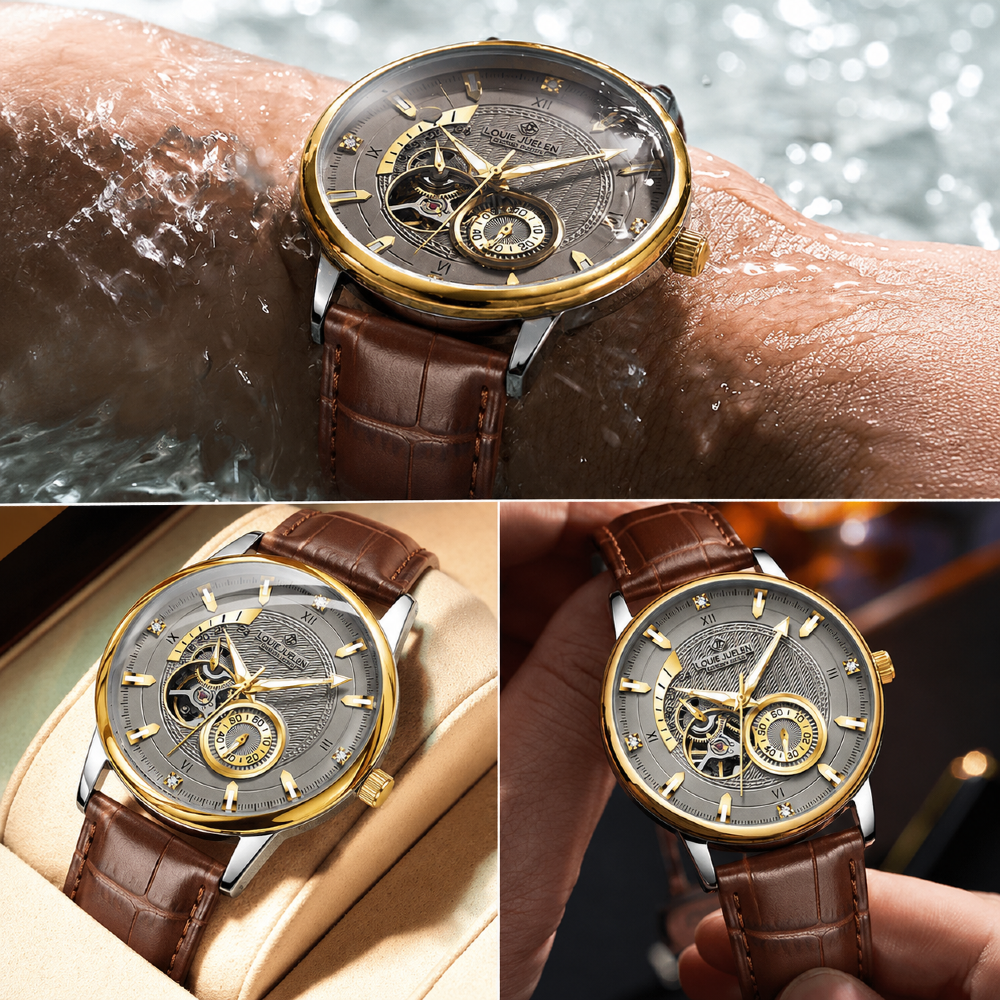
Louis Juelen Luxury Automatic(Tourbillion ) Premium Watch
Automatic Watch Winder
₦85,000
₦150,000
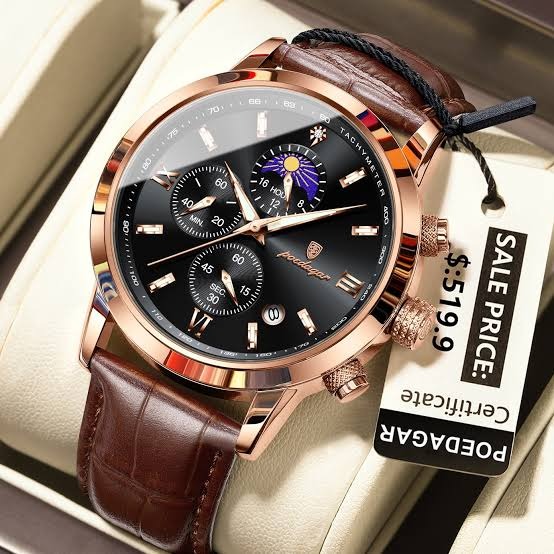
Poedagar Chronograph Luxury Watch
Free 24ml luxury Roll On oil perfume
₦45,000
₦65,000
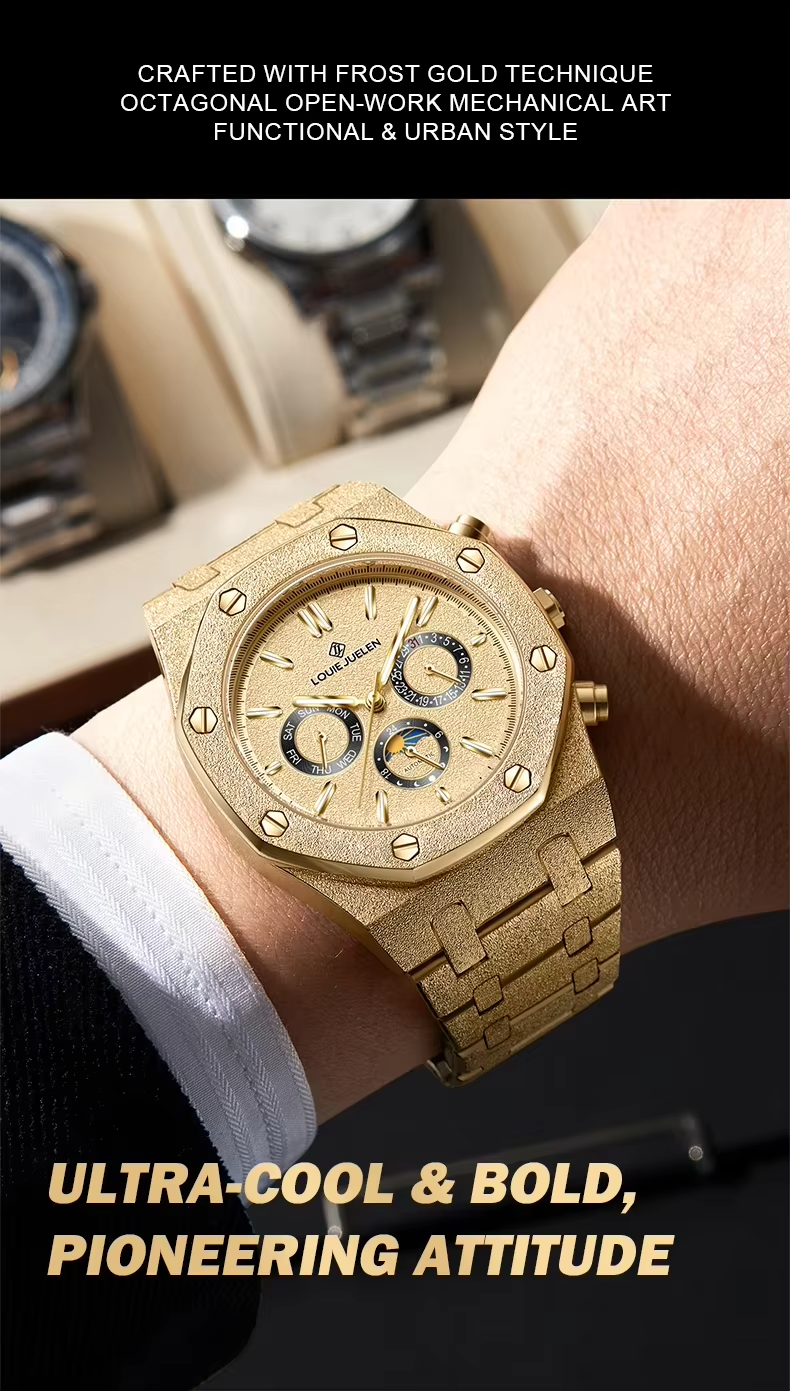
Louis Juelen Automatic Chain Strap
Automatic Watch Winder
₦140,000
₦250,000
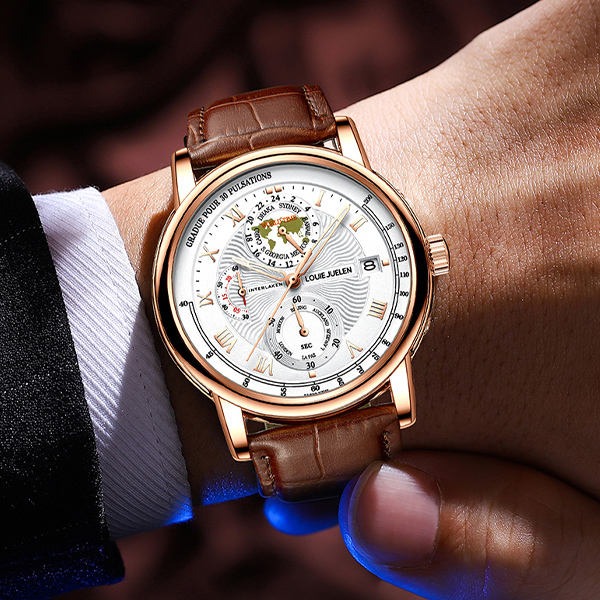
Louis Juelen Luxury Chronograph Leather Watch
Free 24ml luxury Roll On oil perfume
₦55,000
₦85,000