


How to Care for Hair Extensions So They Last for Years, Not Months
You paid good money for hair that was supposed to look like your own. Six weeks later, the ends are matted, the shine is gone, and every wash pulls out more strands than you would like to admit. If that sounds familiar, you are not alone, and you are not doing anything unusually wrong. Most extensions do not fail because the hair was poor quality. They fail because nobody explained how to care for hair extensions properly once they leave the shop.
Human hair extensions behave differently from the hair growing out of your own scalp. Once a bundle, weft, or set of clip-ins is cut from the donor, it stops receiving natural oils from the scalp that keep strands soft and resilient. Everything that keeps that hair looking alive now has to come from you: the products you choose, how often you wash, how you sleep, and how you store it between wears. Get that routine right and quality Remy or virgin hair can genuinely stay full, soft, and tangle-free for two years or longer. Get it wrong and even the best bundle on the market will look tired within a few months.
This guide walks through the exact care system, from washing to heat styling to storage, that separates extensions that last for years from ones that end up in the bin by Christmas.
Why Hair Extensions Need a Completely Different Care Routine Than Your Natural Hair
Hair extensions dry out faster than your natural hair because they are cut off from the scalp's supply of sebum, the natural oil that conditions strands from root to tip. Without that constant moisture source, every wash, every heat tool, and every night of friction against a cotton pillowcase strips the hair a little more, so the products and habits you use have to compensate for what the scalp can no longer provide. This is the single biggest thing people misunderstand about extension care. You cannot treat a bundle, weft, or set of clip-ins the same way you treat the hair on your head, because your scalp is constantly replenishing what gets lost. Extensions have no such backup system. Whatever moisture and protein is in the hair the day you install or clip it in is largely what you are working with going forward, topped up only by the products you apply.
How Often Should You Wash Hair Extensions to Keep Them Soft
Wash sew-in and tape-in extensions every 5 to 7 days, and wash clip-ins only after every 12 to 15 wears, because over-washing strips the hair shaft of the little natural oil it has left and speeds up dryness and tangling at the ends. Under-washing is a problem too. Product buildup, sweat, and scalp oil sitting on a sew-in for weeks will cause matting at the roots and a dull, heavy look, so this is genuinely a balance to get right rather than a "less is always better" situation.
A few washing rules that matter more than people realise:
- Always use sulfate-free shampoo. Sulfates are the harsh detergents that make shampoo foam, and they strip colour and moisture from extensions far faster than from natural hair.
- Wash in sections, downward only. Apply shampoo in a gentle downward motion from root to tip. Never scrub, twist, or pile the hair on top of your head to lather, because that is exactly how mats form at the base.
- Keep conditioner away from the bonds or wefts. Apply conditioner from mid-length to the ends, not near tape, glue, or braided tracks, so the attachment stays secure.
- Use lukewarm water, never hot. Hot water opens the cuticle and accelerates dryness; lukewarm water cleans just as well without the damage.
How to Detangle Hair Extensions Without Losing Strands to Shedding
Detangle extensions daily, starting at the very ends and working upward in small sections, bracing the hair above your hand so you never pull directly on the weft, tape, or bond. This one habit prevents more shedding than any product on the market. Brush morning and night with a wide-tooth comb or a loop brush designed for extensions, not the same bristle brush you use on your natural roots. Never brush extensions while soaking wet, since wet hair is at its weakest and stretches before it snaps. If you towel dry first and let the hair air dry to about 80 percent before detangling, you dramatically cut down on breakage.
Safe Heat Styling Temperatures for Human Hair Extensions
Keep your flat iron or curling wand between 250°F and 350°F (roughly 120°C to 175°C) on human hair extensions, always with a heat protectant applied first, and never run heat over hair that is still damp. Because extensions cannot rebuild the protein and moisture that heat burns away the way scalp-fed hair partially can, damage here is permanent rather than something that grows out in a few weeks. Start at the lower end of that range and only increase if the style genuinely will not hold. A light mist of heat protectant spray before every single pass of a hot tool is not optional, it is the difference between hair that still bounces after a year and hair that feels like straw after a month.
Protecting Your Extensions While You Sleep
Wrap or tie your hair before bed every night, ideally in a loose braid or low bun on a satin or silk pillowcase, because cotton pulls moisture out of the hair shaft and creates friction that leads to tangling and split ends overnight. Never go to sleep with wet extensions. The combination of moisture and the friction of tossing and turning is one of the fastest ways to create irreversible matting at the nape and crown, the two spots that take the most contact with a pillow through the night.
How to Store Hair Extensions Between Wears
Always detangle, fully dry, and lightly brush extensions before putting them away, then keep them in a breathable satin or silk pouch, or hung flat in a cool, dry spot away from direct sunlight. Storing hair while it is even slightly damp is one of the most common mistakes, and it invites mildew, odour, and a stiff, straw-like texture that no amount of conditioner fully reverses. If you switch between two or three units or clip-in sets, keep each one separate so wefts do not rub and tangle against each other in a bag or drawer. Direct sunlight and heat, such as leaving a set in a hot car or on a sunlit windowsill, will fade colour and dry out the cuticle over time, so treat storage location with the same seriousness as the products you use on wash day.
Ready to build a set worth protecting long term? Shop our human hair bundles and extensions here for Remy grade hair that responds well to consistent care.
Comparing Care Needs Across the Main Extension Types
Not every extension method demands the same maintenance schedule, and knowing the difference stops you from over-washing a set that should be left alone or under-caring for one that needs more frequent attention.
| Extension Type | Recommended Wash Frequency | Heat Tolerance | Typical Lifespan With Good Care |
|---|---|---|---|
| Clip-in extensions | Every 12 to 15 wears | Good, if protectant used | 6 months to over 1 year |
| Sew-in wefts / bundles | Every 5 to 7 days | Good, moderate heat | 1 to 2 years, reused across installs |
| Tape-in extensions | Every 5 to 7 days, avoid roots | Moderate, avoid tape area | 9 to 12 months of reinstall cycles |
| Micro-link / keratin bonds | Every 5 to 7 days, gentle at bonds | Moderate, avoid bond contact | 3 to 6 months per install |
The pattern is consistent across every method: the less friction, heat, and moisture stress you put on the hair, and the more consistently you follow a gentle wash and detangle routine, the longer that same hair keeps its life across multiple installs.
Building a Simple Weekly Routine You Will Actually Stick To
A routine only works if it is realistic, so keep it to a handful of non-negotiable habits rather than an overwhelming checklist. Detangle every morning and every night, wash once every 5 to 7 days with sulfate-free products, apply a lightweight leave-in or hair oil to the mid-lengths and ends after every wash, protect the hair before bed, and give it a proper rest in breathable storage whenever it is not on your head. Add a deep conditioning treatment every one to two weeks to replace protein and moisture that daily wear pulls out, since extensions cannot make their own the way scalp hair can.
If your current set is already looking tired from a routine that skipped a few of these steps, it is not necessarily beyond saving. A strong protein treatment, a trim of the driest ends, and a return to a gentler wash schedule can bring noticeable life back within two or three washes. Browse premium wigs and extensions built for longevity here if you decide a fresher set is the better move.
Frequently Asked Questions
How long should human hair extensions actually last if I take good care of them?
Quality Remy or virgin human hair extensions can last 1 to 2 years or more across multiple installs when washed gently, detangled daily, protected from excess heat, and stored properly between wears. Lower quality or heavily processed hair rarely holds up past a few months regardless of how well you care for it.
Can I use regular shampoo and conditioner on my hair extensions?
It is best to avoid regular shampoo, since most contain sulfates that strip moisture and colour from extensions far faster than from your natural scalp hair. Choose a sulfate-free, moisture-focused formula instead, and keep conditioner away from tape, bonds, or braided tracks.
Why do my hair extensions feel dry and straw-like even though I condition them?
Dryness usually points to over-washing, hot water, skipped heat protectant, or storage while damp, all of which strip moisture faster than conditioner alone can replace it. Add a weekly deep conditioning or protein treatment and cut washing back to once every 5 to 7 days to restore softness over a few cycles.
Is it normal for hair extensions to shed a little, or does it mean they are damaged?
A small amount of shedding, especially during brushing, is completely normal since even natural hair sheds daily. Excessive shedding usually traces back to rough detangling, brushing while wet, or skipping the bracing technique that protects the weft or bond from direct pulling tension.
Featured in our collection
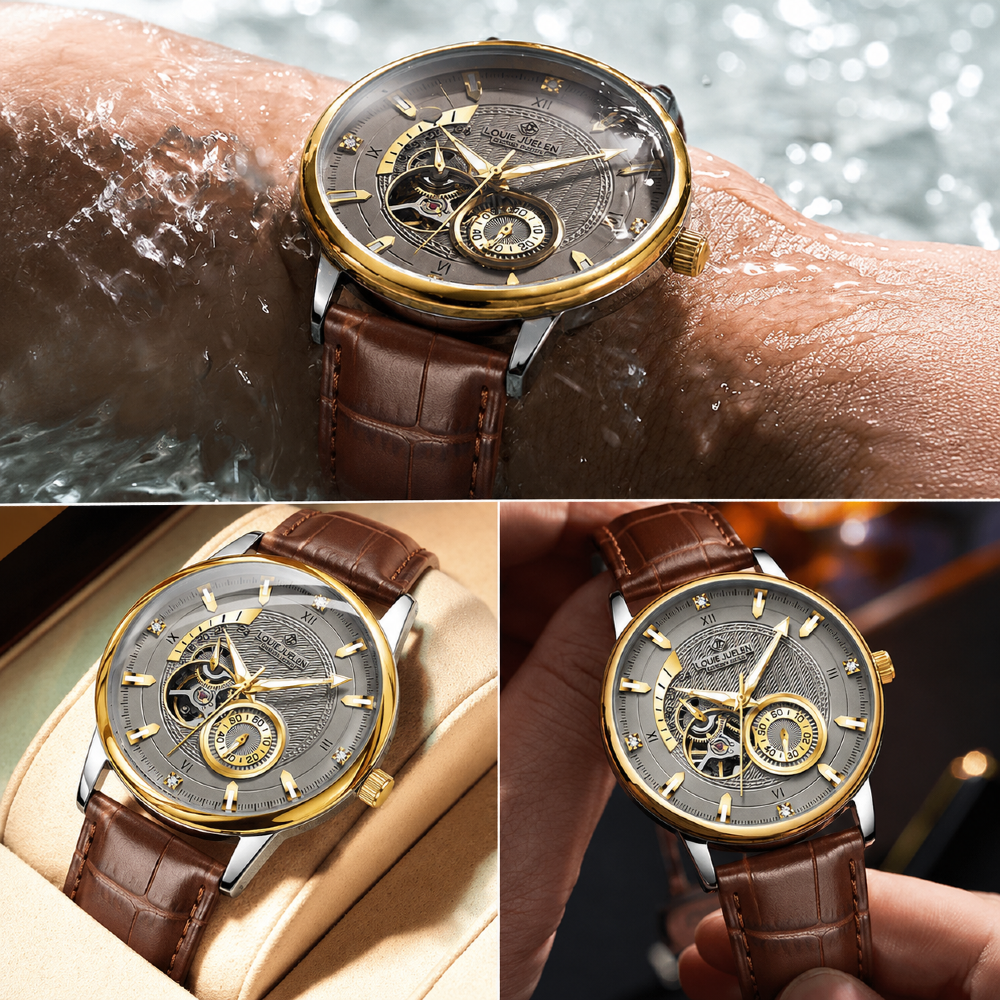
Louis Juelen Luxury Automatic(Tourbillion ) Premium Watch
Automatic Watch Winder
₦85,000
₦150,000

Poedagar Chronograph Luxury Watch
Free 24ml luxury Roll On oil perfume
₦45,000
₦65,000

Louis Juelen Automatic Chain Strap
Automatic Watch Winder
₦140,000
₦250,000