


Hair Extensions vs a Wig: Which One Is Right for You?
You are standing in front of the mirror again, pulling at a hairline that has gotten thinner since last year, or staring at a drawer of clip-ins that never quite match your blend on humid Lagos afternoons. Choosing between hair extensions vs a wig feels like a small decision until you have wasted money on the wrong one. Here is the truth. Both can give you length, volume and confidence, but they solve different problems, and picking based on trend alone is how women end up with a box of unused hair sitting in a drawer.
This guide breaks down exactly how extensions and wigs differ in comfort, cost, damage risk, styling freedom and everyday practicality, so you walk into your next purchase knowing precisely what you need.
What Is the Real Difference Between Hair Extensions and a Wig?
Hair extensions attach directly to your existing hair strand by strand or weft by weft to add length and volume, while a wig is a complete head of hair worn as a separate unit over your own hair or a bald scalp. Extensions work with what you have. A wig replaces what you have, at least for the hours you wear it.
That single distinction drives almost every other difference on this list, from how much your own hair needs to be in decent condition to start, to how quickly you can change your entire look before a wedding or a work trip.
How Extensions Actually Work on Your Hair
Extensions are sold as clip-ins, tape-ins, sew-ins (weaves), micro-links or fusion bonds, and each method attaches differently to your natural strands. Clip-ins use small pressure clips and go in and out in minutes with zero commitment, which is why they are the gentlest option since you remove them nightly and there is no long-term pulling on the follicle. Tape-ins use medical-grade adhesive tabs sandwiched around thin sections of your hair and need to be reapplied roughly every 6 to 8 weeks. Sew-ins involve braiding your natural hair into cornrows and stitching wefts onto the braid, typically lasting 6 to 8 weeks before a fresh install. Micro-links use tiny silicone-lined beads clamped around small strands with no glue or heat at all, making them a reasonable option for a more sensitive scalp, and they generally hold for 10 to 12 weeks.
The catch with every semi-permanent method is that your own hair is doing the load-bearing work. If your strands are already fine, breaking or thinning, adding the weight of tape, beads or wefts asks your hair to carry more than it is built for right now.
How a Wig Protects What You Already Have
A wig sits on top of your hair or scalp using a cap, combs, adjustable straps or an adhesive band, and it never actually attaches to individual strands, so your natural hair underneath stays untouched. That is the biggest practical advantage a wig has over extensions. You can braid your hair flat, moisturize your scalp properly, and let your edges rest completely while a glueless unit gives you the finished look on top.
For anyone managing thinning edges, postpartum shedding, alopecia or hair that is simply tired from years of relaxer and heat, a wig is very often the gentler route because it removes tension from the equation entirely. Shop our human hair wig collection here if protecting your natural hair while still looking polished every day is the priority.
Which Damages Your Natural Hair Less, Extensions or a Wig?
A well-fitted wig causes no direct damage to your natural hair because it never pulls on the follicle, while tight sew-ins, heavy tape-ins and fusion extensions carry real risk of traction alopecia and breakage if installed too tightly or left in too long. Braided styles under weaves are a known contributor here, with a meaningful share of women who wear tight braided installs reporting some thinning along the hairline over time.
That does not mean extensions are automatically dangerous. Clip-ins carry almost no long-term risk precisely because you take them out every night. The danger climbs with methods that stay in for weeks, especially when:
- The install is too tight at the root, particularly around the temples and nape
- The same tension points are reused install after install without giving hair a rest
- Tape-ins or fusion bonds sit too close to the scalp and are stretched during sleep
- A weave or braid pattern is left in far longer than the recommended 6 to 8 weeks
If you already notice thinning at your edges or a receding hairline, a glueless wig install is the safer starting point. If your hair is healthy, thick and you simply want more length or fullness, well-fitted extensions rarely cause a problem when maintained properly.
Hair Extensions vs Wig: Side-by-Side Comparison
| Factor | Hair Extensions | Wig |
|---|---|---|
| Attaches to natural hair | Yes, strand by strand or wefted in | No, sits over hair or scalp |
| Typical lifespan (human hair, well cared for) | 6 to 12 months (clip-ins), 2 to 3 reuses (tape-ins) | 1 to 3 years |
| Daily removal | Clip-ins only; tape/sew/micro-link stay in for weeks | Removable every day |
| Damage risk to natural hair | Low (clip-ins) to moderate/high (tight sew-ins, fusion) | Very low when fitted correctly |
| Best for thinning or fragile hair | Not ideal without professional guidance | Excellent option |
| Styling freedom | Blends with your own texture and length | Full change of style, colour and texture instantly |
| Time to install | Minutes (clip-in) to hours (sew-in, micro-link) | Minutes once cap is fitted |
| Upfront cost | Lower for clip-ins, higher for salon-installed tape or sew-in | Higher per unit, but reusable for years |
| Ideal occasion use | Adding length or volume to your own style | Complete look change, protective styling, bad hair days |
How Long Will Each One Actually Last You?
Quality human hair clip-in extensions last 6 to 12 months with gentle handling, while a well-made human hair wig can last 1 to 3 years, which makes the wig the better long-term investment if you wear hair pieces regularly. Tape-ins can typically be reused two to three times before the wefts need replacing, and sew-in wefts hold their shape for several install cycles if you are not using low-grade hair.
The real factor that decides lifespan in either case is the same: hair quality. Cheap synthetic or heavily processed hair tangles fast, sheds early and loses its shine within weeks no matter which method you choose. Raw or Remy-grade human hair, on the other hand, can be washed, styled and reworn for years because the cuticles are intact and running in one direction, so it resists matting.
Cost Over Time, Not Just Purchase Price
Extensions can look cheaper on the price tag, especially clip-ins, but the real cost adds up through repeat salon visits for tape-ins and sew-ins, replacement wefts, and the styling products needed to keep multiple installs looking fresh. A wig, once you have invested in a good unit, needs occasional deep conditioning, a fresh cap adjustment now and then, and careful storage, but there is no recurring installation appointment eating into your budget every 6 to 8 weeks.
If you are someone who changes styles constantly for work events, weddings or simply because you love variety, owning two or three wigs in different textures often works out more cost-effective across a year than committing to extension reinstalls every couple of months.
Which One Fits Your Lifestyle Better?
Choose extensions if you want to enhance your own hair's length and volume while keeping your natural texture visible, and choose a wig if you want a complete, low-maintenance look that protects your hair underneath. Think honestly about your daily routine, not just the photo you saw online.
Extensions tend to suit you better if:
- Your natural hair is healthy, moderately thick and not currently breaking or thinning
- You want your own hairline and texture to stay visible
- You like the idea of adding fullness rather than changing your entire style
- You are comfortable with either nightly removal (clip-ins) or a salon schedule (tape-ins, sew-ins)
A wig tends to suit you better if:
- Your edges, crown or overall density need a break from tension and manipulation
- You want to switch colour, length or texture in minutes without touching your real hair
- Mornings are rushed and you need a grab-and-go finished look
- You are recovering from heat or chemical damage and want your hair to rest underneath
Many women in Nigeria actually keep both in rotation. Extensions for days they want their own hair visible with extra fullness, and a wig for humid weeks, protective styling stretches, or simply when time is tight. Browse extensions and wigs together here and build the combination that matches how you actually live, not just how you post.
Caring for Whichever One You Choose
Whichever route you take, the maintenance habits that keep hair looking expensive are almost identical. Wash with sulfate-free products, detangle from the ends upward before you ever touch the roots, keep heat tools under 180 degrees Celsius where possible, and store hair pieces on a stand or in a satin bag rather than balled up in a drawer. Extensions that stay in for weeks need extra care at the attachment point, since product buildup there causes matting faster than anywhere else on the strand. Wigs need their cap and lace cleaned separately from the hair itself, since oils and sweat collect at the base even when the hair looks fine.
Neither option rewards neglect. Good hair, extension or wig, is an investment that pays you back in how natural it looks and how long it lasts, but only if you treat it like the investment it is.
Frequently Asked Questions
Can I wear hair extensions and a wig at the same time?
Yes, some women install light extensions or a weft under a wig cap for extra volume, but this is not necessary with a good quality, properly sized wig. If your wig already has enough density for your preference, skip the extra layer, since it adds unnecessary weight and heat.
Do hair extensions ruin your natural hair?
Extensions do not ruin healthy hair when installed correctly and given proper rest between applications, but tight, heavy or long-left-in methods like fusion bonds and cornrow sew-ins can cause breakage or traction alopecia over time. Clip-ins carry the least risk since they come out nightly.
Is a wig cheaper than extensions in the long run?
Often yes. A quality human hair wig can last 1 to 3 years with proper care, while extensions typically need reapplication or replacement every 2 to 3 months for salon methods, or every 6 to 12 months for clip-ins, which adds up in repeat costs.
Which option looks more natural, extensions or a wig?
Both can look completely natural when the hair quality and install are right. Extensions blend directly with your own texture and hairline, so they can feel slightly more seamless if colour matched well, while a modern HD lace wig with a properly plucked hairline is now virtually indistinguishable from a natural scalp.
Featured in our collection
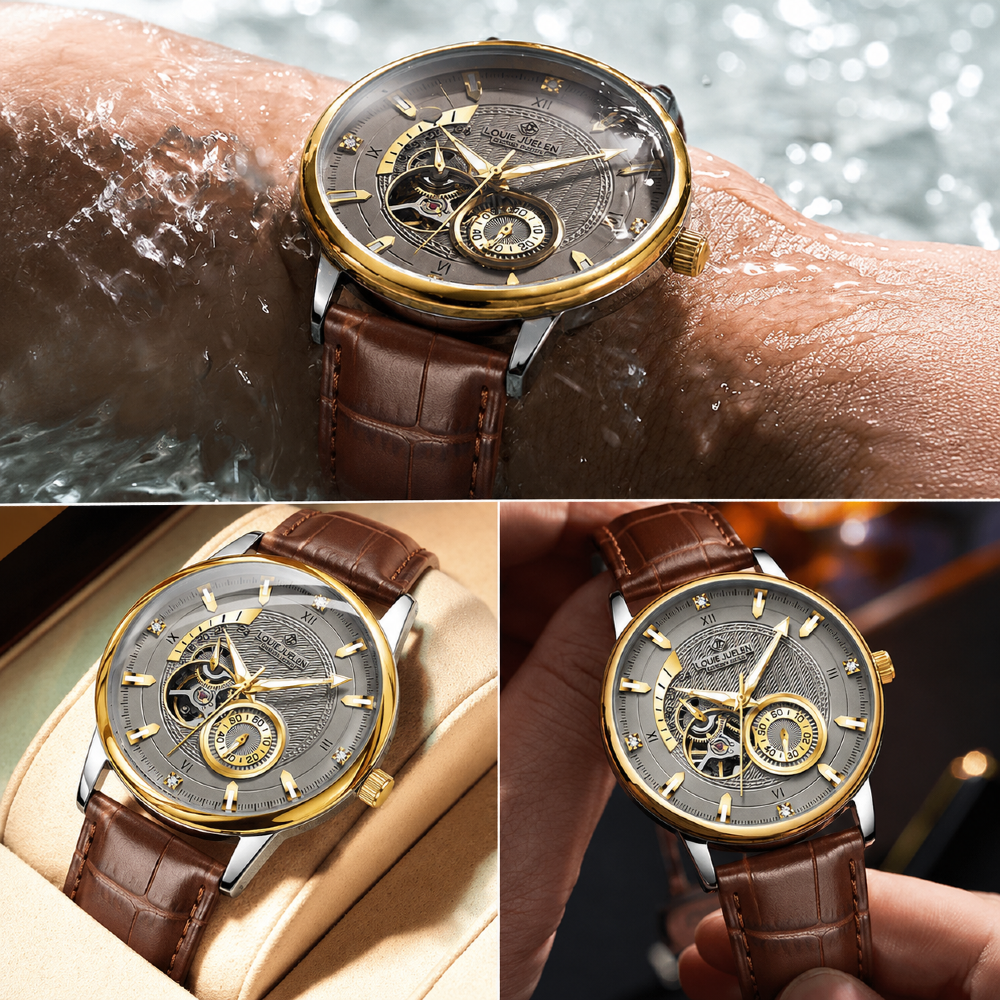
Louis Juelen Luxury Automatic(Tourbillion ) Premium Watch
Automatic Watch Winder
₦85,000
₦150,000
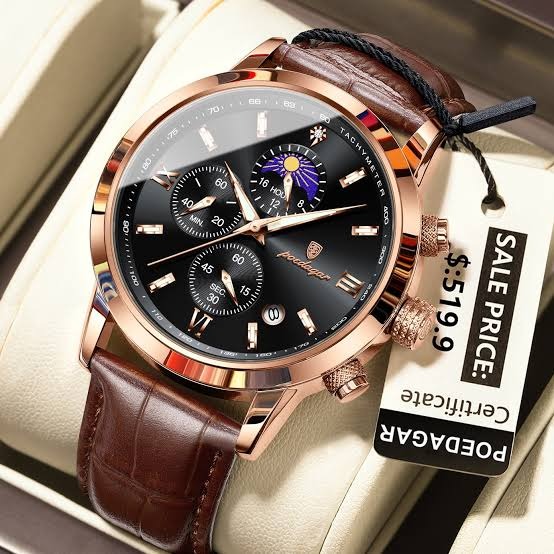
Poedagar Chronograph Luxury Watch
Free 24ml luxury Roll On oil perfume
₦45,000
₦65,000

Louis Juelen Automatic Chain Strap
Automatic Watch Winder
₦140,000
₦250,000