


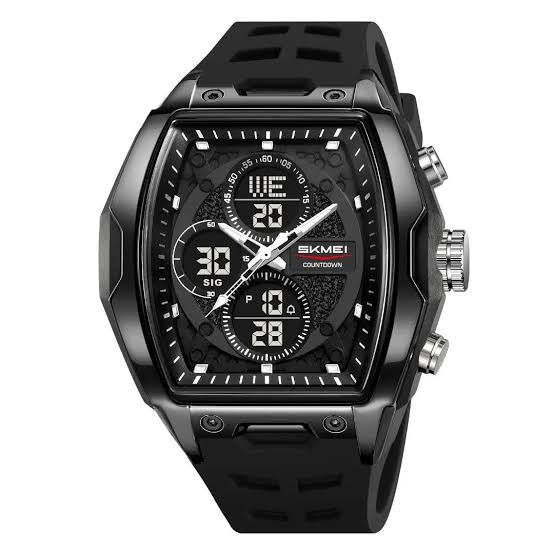


Your First Job Watch: Sharp Style on a Starter Budget
You got the offer letter. You have picked your resumption date, ironed your first corporate outfit twice, and now you are staring at your wrist wondering if the watch you have owned since secondary school will embarrass you in the office. Here is the truth: nobody at your new job will remember your shoes, but they will notice a watch that looks cheap, scratched, or mismatched with everything else you own. The good news is that a first job watch does not need to cost a full month's salary to look like it belongs in a boardroom.
This guide walks you through exactly what to look for, what to skip, and how much of your first paycheck is sensible to put toward a watch that will actually last through your first few years of work.
How Much Should You Spend on a First Job Watch
A sensible first job watch budget sits between 3 and 10 percent of one month's net salary, enough to buy solid construction and a clean design without straining your first month of bills, transport, and rent. If your first salary is modest, spend at the low end of that range and let the watch earn its keep through years of daily wear rather than a flashy price tag.
This is not a rule pulled from nowhere. Financial advisors who work with new graduates consistently recommend capping any single "image" purchase, whether it is a watch, a bag, or shoes, at a small single-digit percentage of monthly income, precisely because your first months on a new salary are also when rent, transport, data, and unexpected family requests hit hardest. A watch you are still paying off emotionally three months later is not a good first purchase, no matter how nice it looks in the box.
The trap most first-time buyers fall into is going one of two extreme directions. Some buy the cheapest wristwatch they can find at a roadside stall, and it stops keeping accurate time within a few weeks or the plating flakes off after one rainy season. Others overreach on a "luxury" piece bought on credit, which quietly stresses a starter budget that should be going toward savings and emergencies. The middle path, a well-made quartz or basic automatic watch from a reputable seller, is where almost every stylish first job watch actually comes from.
What Actually Matters in an Entry-Level Professional Watch
The features that matter most in a first job watch are case size, dial legibility, strap material, and water resistance, not brand prestige or complications you will never use. Get these four things right and the watch will look sharp in every meeting, photograph well on LinkedIn, and survive daily commuting.
Here is what to check before you buy:
- Case size: For most wrists, a 38mm to 42mm case looks proportionate under a shirt cuff. Anything much larger can look bulky in a formal setting and anything smaller can read as a fashion piece rather than a work watch.
- Dial colour and legibility: A white, black, or navy dial with simple hour markers reads as more professional than a busy multi-colour face. You want to glance at your wrist in a meeting and read the time in half a second, not decode it.
- Strap or bracelet material: Leather in black or brown works with almost every office outfit. A stainless steel bracelet is slightly more durable for daily wear and does not need replacing as often as leather does.
- Water resistance: Look for at least 30 metres (marked 3 ATM) so the watch survives handwashing, sudden rain, and the occasional spilled drink at an office lunch. This is not about swimming, it is about surviving ordinary life.
- Movement type: A quartz movement is the practical, low-maintenance choice for a first watch. It needs no winding, keeps very accurate time, and the battery only needs changing every one to two years.
- Finish and hardware: Check that the crown, clasp, and pushers feel solid, not loose or gritty when you turn them in the shop. A watch with wobbly hardware will not survive daily use, however good it looks in a photo.
Matching Your First Watch to Nigerian Office Dress Codes
The right first job watch metal depends on your office's formality: silver-toned steel or white gold reads correctly in most Nigerian corporate settings, while gold-toned pieces suit finance, legal, and client-facing roles that lean more traditionally formal. Whichever tone you choose, keep the rest of your jewellery minimal so the watch stays the statement piece on your wrist.
Nigerian offices vary by industry. Financial services, law firms, and consulting tend to favour a classic, buttoned-up look, where a slim gold or silver dress watch with a leather strap does the most work for you. Newer technology companies and creative agencies allow more room to experiment, so a sportier steel-bracelet watch or a clean minimalist design both fit comfortably. If you are unsure what your specific office expects in your first week, it is always safer to dress and accessorise one notch more formal than you think you need to, then relax the look once you understand the actual culture around you.
A small styling detail that upgrades any first watch instantly: match the metal tone of your watch case to your belt buckle and shoe buckles where possible. Silver watch, silver-toned buckle. Gold watch, gold-toned buckle. This one habit is what separates an outfit that looks deliberately put together from one that looks accidental.
Quartz vs Automatic: Which Movement Suits a Starter Budget
For a first job watch, quartz is almost always the smarter starting choice because it is more affordable, more accurate day to day, and needs far less maintenance than an automatic movement. Automatic watches are a wonderful next step once your income and interest in horology grow, but they are not the practical choice for your very first purchase.
Quartz watches run on a battery and a small electronic circuit, which is why they lose or gain only a few seconds a month rather than a few seconds a day. They also cost less to produce, so you get better materials, a nicer case finish, and sturdier hardware for the same price compared to an entry automatic. An automatic watch, by contrast, is powered by the motion of your wrist and needs regular wear or occasional winding to stay accurate, plus a service every few years, which is an added cost most first-time earners do not need to take on immediately.
Comparing Three Realistic First Job Watch Styles
Below is a quick side-by-side look at three watch styles that all work well as a first job watch, depending on your office culture and personal taste.
| Style | Best For | Typical Case Size | Strap Type | Formality Level |
|---|---|---|---|---|
| Slim minimalist dress watch | Finance, legal, client-facing roles | 36mm to 40mm | Black or brown leather | Very formal |
| Steel bracelet everyday watch | Mixed office and commute-heavy roles | 38mm to 42mm | Stainless steel bracelet | Business casual to formal |
| Simple sport-inspired quartz | Tech, creative, hybrid offices | 40mm to 42mm | Silicone or leather hybrid | Smart casual to business casual |
If you only plan to own one watch for the next two to three years while you settle into your career, the steel bracelet everyday watch is usually the safest all-round pick. It moves comfortably between a formal client meeting and a relaxed Friday in the office without ever looking out of place.
Ready to see options in each of these styles? Shop our full watch collection here and filter by case size and strap type to find the fit that suits your new role.
Caring for Your First Watch So It Lasts Through Every Promotion
A first job watch that gets basic daily care will comfortably outlast several job changes, several promotions, and possibly your next watch purchase too. Good care habits cost nothing beyond a few minutes a week.
Follow these simple habits from day one:
- Wipe it down daily. A soft cloth at the end of the day removes sweat, dust, and hand cream residue before they build up around the case and strap.
- Keep it away from perfume and alcohol-based sprays. These can dull the finish on plated cases and dry out leather straps quickly.
- Take it off for manual or messy work. Cleaning, cooking, or heavy lifting is where straps and clasps take the most damage.
- Store it flat or on a small stand when not worn. This protects the crystal from scratches against harder objects in a drawer or bag.
- Get the battery changed at a proper jeweller, not a roadside stall. A poorly reseated case back is one of the most common causes of moisture getting inside a quartz watch.
Treat your first job watch the way you treat your first professional wardrobe pieces: with a little discipline now buys you years of good service later. Looking for something with a matching bracelet or a gift set to mark the milestone? Browse watches and jewellery pairings here for pieces designed to work together from day one.
Frequently Asked Questions
What is a reasonable price to pay for a first job watch in Nigeria?
A reasonable range is roughly 3 to 10 percent of your first month's net salary, enough for solid stainless steel construction, a clean dial, and reliable water resistance, without cutting into your first month's living expenses. Spend more only once you have a few months of stable income behind you.
Should my first work watch be automatic or quartz?
Quartz is the more practical first choice because it is more accurate, needs almost no maintenance beyond an occasional battery change, and generally offers better build quality for the same price as an entry-level automatic. Consider an automatic watch later once you understand how much daily wear it will realistically get.
What watch size is appropriate for a first corporate job?
Most wrists look best in a 38mm to 42mm case for office wear, since anything larger can look bulky under a shirt cuff and anything much smaller can read as decorative rather than professional. Try the watch on in person where possible, since photographs online can be misleading about actual proportion.
Can I wear the same watch to both formal meetings and casual Fridays?
Yes, a steel-bracelet or simple leather-strap watch with a clean dial comfortably crosses both settings, which is exactly why it is the safest single first job watch if you only plan to buy one for now. Save a second, dressier or more casual piece for when your budget allows a proper two-watch rotation.
Featured in our collection
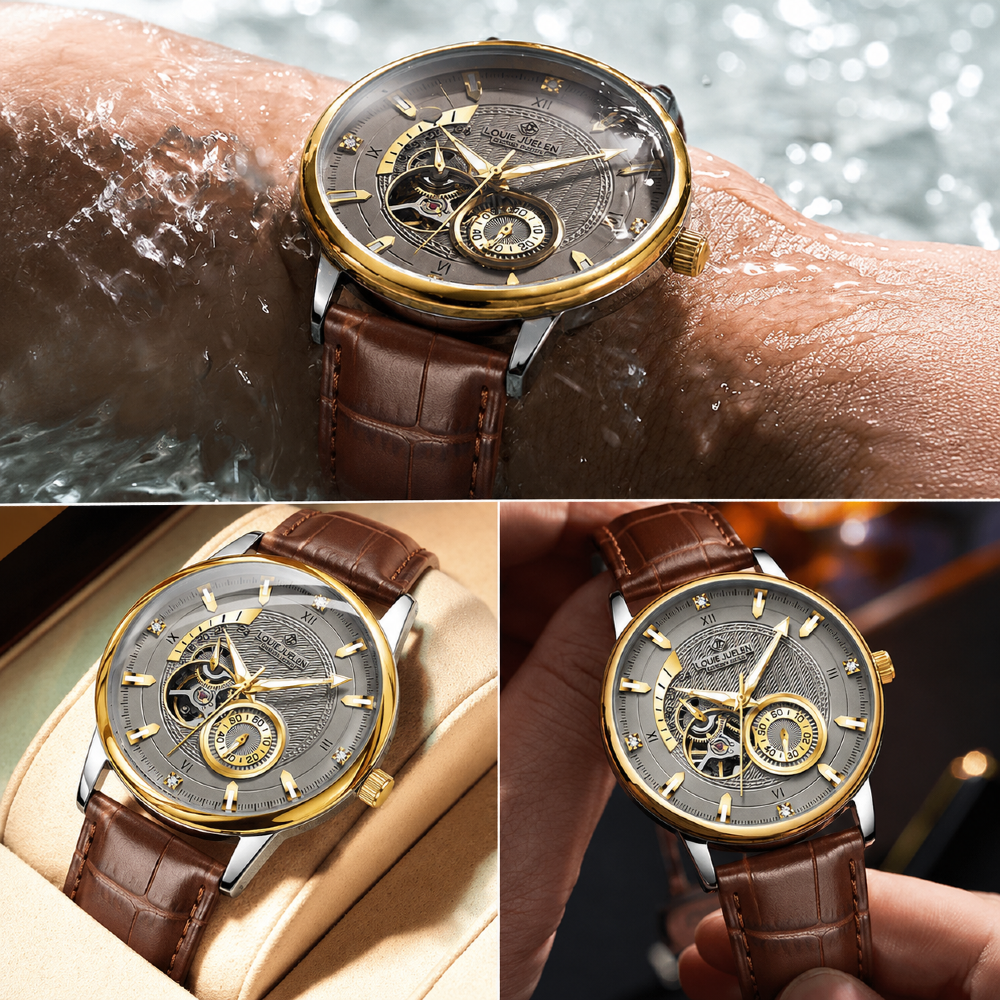
Louis Juelen Luxury Automatic(Tourbillion ) Premium Watch
Automatic Watch Winder
₦85,000
₦150,000
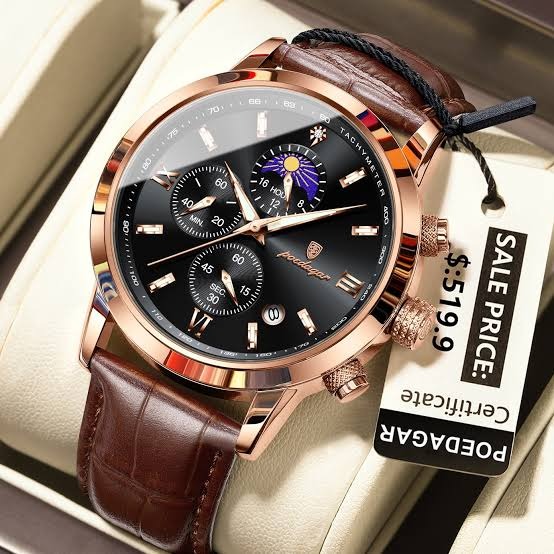
Poedagar Chronograph Luxury Watch
Free 24ml luxury Roll On oil perfume
₦45,000
₦65,000
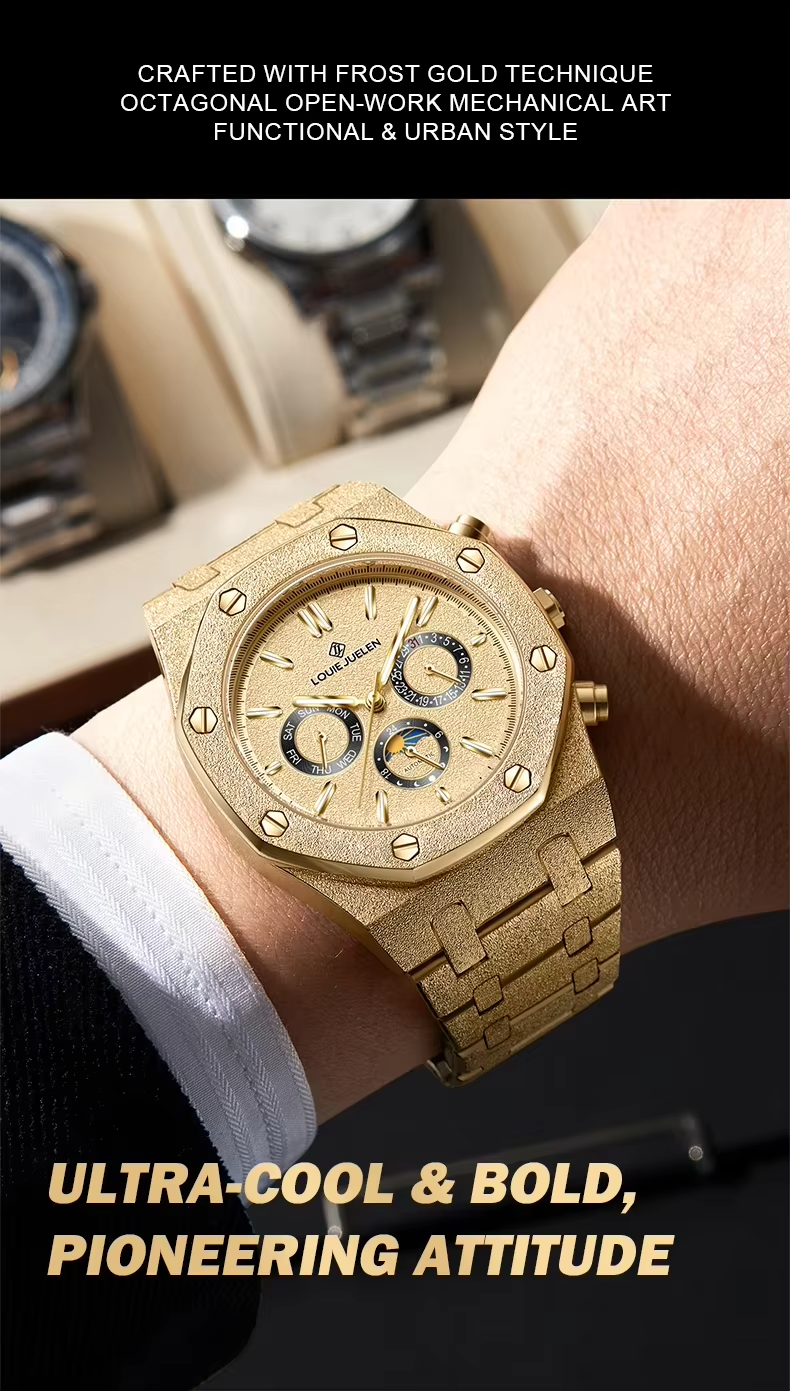
Louis Juelen Automatic Chain Strap
Automatic Watch Winder
₦140,000
₦250,000
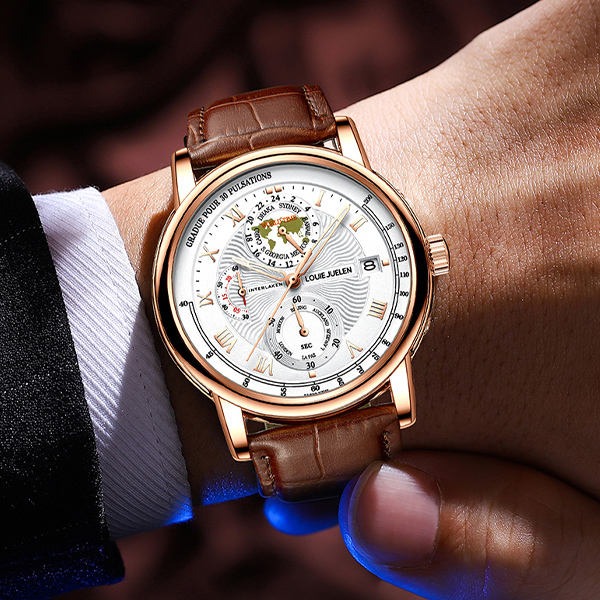
Louis Juelen Luxury Chronograph Leather Watch
Free 24ml luxury Roll On oil perfume
₦55,000
₦85,000