

The Ultimate Bridal Beauty Guide: Pairing Your Wig and Jewellery
Picture the moment. You have hugged your last guest goodnight, the band is still playing, and you catch yourself in a mirror. Your hairline has quietly lifted at the temple. Your statement necklace has been fighting your beaded neckline in every single photograph. Nothing ruins a flawless bridal look faster than hair that shifts and jewellery that clashes, and both problems are entirely preventable with the right plan.
This bridal hair and jewellery guide is the plan. It walks you through choosing a wig that stays put through a twelve-hour day, matching your jewellery to your neckline and your metals, placing your veil without a single snag, and building a getting-ready timeline that leaves room to breathe. Whether you are the bride or standing beside her, here is how to look effortless when it matters most.
Choosing Your Bridal Wig for a Flawless, All-Day Hairline
A bridal wig should give you a natural, undetectable hairline and enough security to survive a full wedding day without shifting. The two strongest choices are a lace front wig, with its sheer panel across the front that melts into your skin, or a full lace wig, whose breathable cap lets you part the hair anywhere for a realistic scalp.
Here is the truth about wedding-day hair: your look has to last through the ceremony, the receiving line, dinner, speeches, and a first dance under warm lights. That is a long time for anything to hold. The good news is that a well-built human hair wig photographs beautifully and behaves predictably, which is exactly what you want when there is no room for surprises.
A few things separate a bridal wig from an everyday one:
- Human hair over synthetic. For a wedding, human hair is worth the investment. It moves naturally, takes heat styling, and reads as real hair in close-up photography.
- Medium density is the sweet spot. Roughly 130 to 150 percent density looks full enough to photograph richly, yet stays light and comfortable across a twelve-hour day.
- Measure before you order. Take your head circumference first. A cap with adjustable straps, interior combs, and a drawstring will hug the most head shapes securely.
Why a Glueless Wig Wins on the Wedding Day
For your wedding, choose a glueless bridal wig. Adhesive can lift in heat and humidity, and once the ceremony begins, an emergency glue repair is nearly impossible. A glueless cap with adjustable straps, combs, and a drawstring gives you the same security as glue, with the freedom to reposition discreetly if you ever need to.
The bridal styling community has landed firmly on glueless designs for exactly this reason. Think about the physical demands of the day. You will hug well over a hundred guests, spin through a first dance, lean in for the photo booth, and possibly step into a garden for portraits. A layered security system handles all of it. Each piece does one job:
- A silicone wig grip band, worn around the hairline under the wig, is the single most effective anti-slip tool available to you.
- Adjustable straps dial in the exact fit for your head.
- Interior combs and a drawstring lock the cap against your natural hair.
Stack those together and your wig will not budge, no matter how enthusiastic the dancefloor gets.
The Bridal Hairline Melt, Explained
A bridal hairline melt is the technique that makes a lace wig look like hair growing from your own scalp. The lace is tinted to your skin tone, the baby hairs are laid softly, and the front is secured flat so the transition from lace to forehead disappears completely, even under a photographer's flash.
The real problem with a rushed melt is that it fails under scrutiny, and a wedding is nothing but scrutiny: flash photography, video, close-up hugs, and guests standing inches from your face. To fix this, treat the melt as a rehearsed skill, not a wedding-morning experiment. This is where your trial run earns its keep, which we will get to shortly.
Shop Bridal Hair & Jewellery →
Matching Your Wedding Jewellery to the Dress
Your wedding jewellery should complement two things: the neckline of your gown and its metal tone. Match your jewellery metal to any beading or embellishment on the dress, and let the neckline decide how bold your necklace should be. When the dress is heavily detailed, let earrings and bracelets carry the sparkle instead.
A harmonious balance between the gown and the jewels is the whole goal. The dress sets the rules; your job is to read them correctly. Start with metal, because it is the easiest to get right and the most jarring to get wrong.
Reading Your Neckline for the Right Necklace
Your neckline frames your face and décolletage, and the right necklace enhances that frame instead of crowding it. Strapless and sweetheart gowns invite a statement piece, V-necks flatter a lariat, off-the-shoulder styles want something dainty, and highly detailed or illusion necklines usually look best with no necklace at all.
Match the piece to the shape:
- Strapless or sweetheart: open collarbone and chest give you room to breathe. A statement necklace makes a beautiful, dramatic impact here.
- V-neck: a Y-necklace or lariat echoes and elongates the neckline, drawing the eye downward in one clean vertical line.
- Off-the-shoulder: the neckline is already a focal point, so keep it simple. A dainty chain or a classic tennis bracelet is plenty.
- High neck or illusion: all that embroidery is doing the work. Skip the necklace so nothing competes, and let statement earrings shine instead.
Getting Your Metals to Agree
Match your jewellery metal to your engagement ring and to your dress embellishments. Platinum or white gold rings pair with silver-toned jewellery. Yellow and rose gold rings pair with warm-toned pieces. If your gown has silver beading, choose white gold or platinum. Warm gold detailing calls for yellow or rose gold.
Metal tone also plays against the colour of the fabric. Yellow gold warms up ivory and champagne gowns beautifully. Rose gold flatters a blush dress. For a true white gown, platinum and silver create the crispest, most elegant finish. Keep the whole picture in one family and everything looks intentional.
Your Bridal Hair and Jewellery Pairing Chart
Use this quick-reference table to pair your wig, veil, and jewellery to your gown's neckline. Treat it as a starting point, then refine it at your trial.
| Dress neckline | Best wig style | Necklace approach | Earrings & extras | Veil placement |
|---|---|---|---|---|
| Strapless / sweetheart | Soft updo or glamour waves on a glueless lace wig | Statement necklace on the open décolletage | Studs or small drops so the neck leads | Crown or mid-crown, well anchored |
| V-neck | Half-up styling that frames the face | Lariat or Y-necklace to echo the V | Elegant drop earrings | Mid-crown or nape for a low look |
| Off-the-shoulder | Sleek low bun or side-swept wave | Dainty chain or skip it entirely | Chandelier earrings or a tennis bracelet | Longer veil from the crown to balance |
| High neck / illusion | Polished updo to show the neckline detail | No necklace | Statement earrings and bracelet | Simple veil, or a bare styled updo |
Shop Bridal Hair & Jewellery →
Booking Your Hair Trial and Perfecting Veil Placement
Book your bridal hair trial early. For a Saturday wedding in peak season, eight to ten months ahead is ideal, though two to three months is generally sufficient. Bring your veil and any hairpieces to the trial so your stylist can test placement, securing methods, and comfort long before the day itself.
A trial is not a luxury. It is the rehearsal that catches every problem while there is still time to solve it. Booking at least three months out also leaves room for a second trial if the first look is not quite right.
Bring everything you plan to wear. Your veil, your hairpins, any headband or accessory, and your extensions if you are using them all belong at the trial so nothing is a first-time experiment on the morning. A good stylist will photograph the finished look from every angle, giving you an exact reference to recreate on the day.
Veil placement deserves special attention when you are wearing a wig. The trial is where you experiment with position, test how the comb sits against the cap, and confirm the whole thing feels stable and comfortable. Anchor the veil into the wig's own secure structure rather than fighting your natural hairline, and you will avoid the tugging that ruins so many ceremony photos.
Building Your Wedding Day Beauty Timeline and Kit
Have your hair and makeup finished at least two to three hours before the ceremony. Do hair first, wearing a robe or button-up top so nothing disturbs it, then makeup, then final touch-ups and your veil. Assemble a small beauty emergency kit one to three weeks ahead and hand it to a trusted bridesmaid.
The order matters. Hair leads because it takes the longest and sets the frame for everything else. Makeup follows while the stylist works. You finish with touch-ups, the veil goes on last, and then you take a breath before the doors open.
Keep your kit tight and well organised. Small pouches sorted by purpose mean nobody is digging through a bag mid-reception. The beauty essentials worth carrying:
- Blotting papers, pressed powder, and your lipstick for pre-ceremony touch-ups
- Setting spray and concealer to keep makeup fresh through the day
- Travel-size hairspray for flyaways and a few bobby pins for any loose strand
- Lash glue if you are wearing false lashes
Hand the kit to your maid of honour or planner so it is always within reach. When something needs a thirty-second fix, you want a calm helper, not a scramble.
Do Not Forget the Groom's Watch
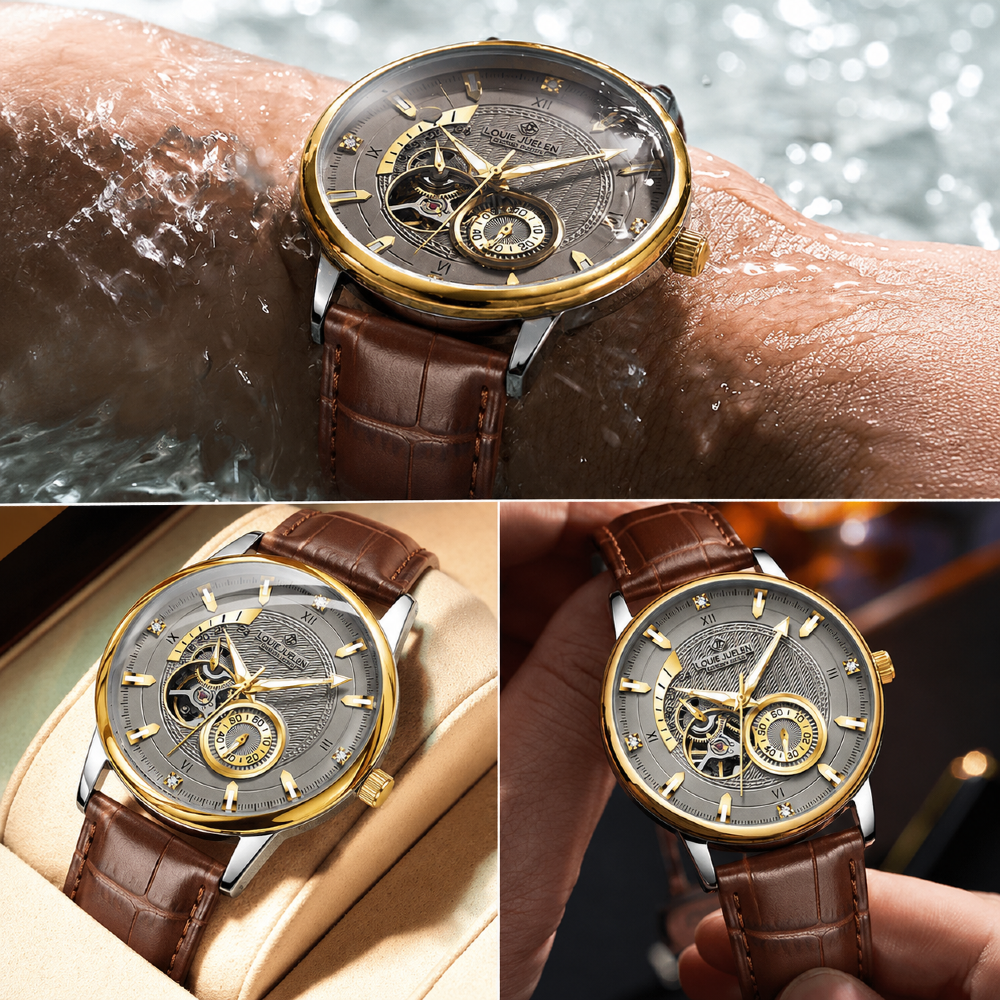
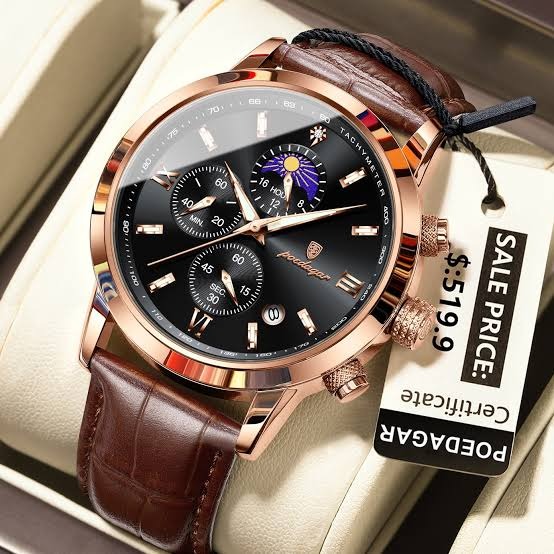
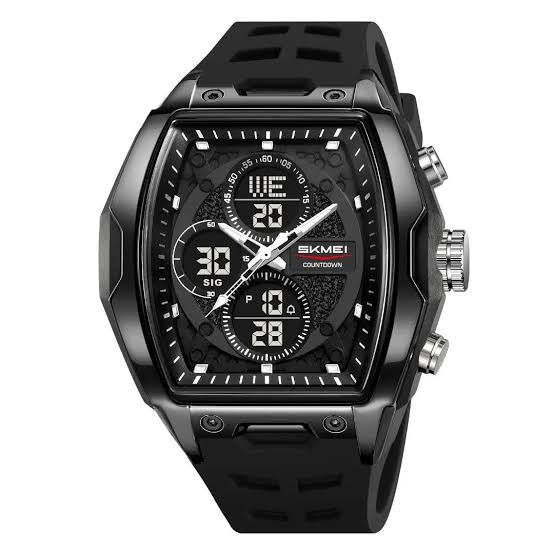
Coordinate the groom's watch with his wedding band and his other accessories. Platinum or white gold rings pair with a stainless steel or silver-tone case. A yellow gold band suits a gold watch, and rose gold carries beautifully to a rose gold case. A leather strap reads dressier and often suits a wedding best.
The details still need to agree. If his cufflinks and tie bar are silver, a gold watch will look out of step, and the strap should sit in the same family as his belt and shoes. A considered timepiece is one of the few heirloom-worthy pieces a groom wears, so it is worth getting right.
Shop Bridal Hair & Jewellery →
Frequently Asked Questions
How do I stop my bridal wig from lifting during a long wedding day?
Choose a glueless human hair wig and build in layered security: a silicone grip band around the hairline, adjustable straps, interior combs, and a drawstring. Test the full setup at your trial so you know it holds through hugging, dancing, and heat before the day arrives.
What jewellery should I wear with a beaded or illusion neckline wedding dress?
Skip the necklace. A detailed or illusion neckline already carries the sparkle, and a necklace on top looks busy and competes with the gown. Let statement earrings and a bracelet do the work instead, and keep the metal tone matched to the dress's own beading.
When should I book my bridal hair trial, and what should I bring?
Book eight to ten months ahead for a peak-season Saturday, or at least two to three months out otherwise. Bring your veil, all hairpins and accessories, and any extensions, so your stylist can test placement and securing methods and photograph the finished look for the day.
Should the groom's watch match the wedding band metal?
Yes, coordinating them looks polished. Pair a platinum or white gold band with a steel or silver-tone case, a yellow gold band with a gold watch, and rose gold with rose gold. Keep the strap in the same family as his belt and shoes, and choose leather for a dressier finish.