

Pendant Necklaces: How to Choose the Right One for You
A pendant necklace is the piece most women reach for first, and for good reason. It is personal, it draws the eye to a lovely spot near the collarbone, and it dresses up an ankara top as easily as it finishes an office blouse. Yet standing in front of a jewellery display, many of us freeze. Round or teardrop? Big or dainty? Gold or silver? This guide walks you through every decision so you leave with a pendant you will actually wear, not one that sits forgotten in a drawer.
We will keep it practical and honest. You will learn what a pendant actually is, how to size it to your body, how to read your own neckline, and how to check the small metal parts that decide whether your necklace survives a busy Lagos day or snaps by lunchtime.
What Is a Pendant Necklace, Really?
A pendant is a decorative piece that hangs from a chain. It attaches through a small loop called a bail, which is the little metal fitting the chain passes through. The chain is the necklace; the pendant is the ornament that dangles from it. Understanding this split is the first step in choosing well, because the chain and the pendant are two separate decisions.
That separation is good news. It means you can own one favourite pendant and swap it between a fine everyday chain and a heavier dress chain. It also means a pendant you love can outlive a chain that wears out. When you shop, judge the two parts on their own terms: the pendant for its shape and scale, the chain for its length and strength.
Pendant, Charm or Locket?
- Solitaire pendant: a single stone or motif on a bail. It reads elegant and quiet, and it flatters almost everyone.
- Charm pendant: a small symbol such as a heart, cross, initial or evil-eye. Popular for personal meaning and easy layering.
- Locket: a pendant that opens to hold a tiny photo. A sentimental choice, and a beautiful gift for a mother.
- Statement pendant: a large, bold piece meant to be the focal point of an outfit.
How to Choose a Pendant Necklace for Your Frame
Scale the pendant to your body first. Petite women under about 5 feet 4 inches look balanced in small to medium pendants, roughly half an inch to one and a half inches tall. Average height suits most sizes. Taller or fuller frames carry larger pendants beautifully, so a bolder piece will not overwhelm you. Match the drama of the pendant to the scale of the woman wearing it.
Think of the pendant as a full stop at the end of a sentence. On a smaller frame, a huge pendant shouts and unbalances the whole look. On a taller or curvier frame, a tiny pendant can disappear and look almost accidental. The aim is a piece that feels intentional and proportionate, so it reads as jewellery you chose rather than jewellery that chose you.
A Simple Pendant Size Guide
Pendant size is usually given in millimetres for the stone or motif, and in inches for the total drop. Use this as a starting point, then trust the mirror.
| Your frame | Suggested pendant size | Best for |
|---|---|---|
| Petite, under 5'4" | 8mm to 15mm motif, small drop | Daily wear, office, layering |
| Average, 5'4" to 5'7" | 15mm to 25mm motif, medium drop | Most occasions and outfits |
| Tall or fuller frame | 25mm and above, longer drop | Owan, events, statement looks |
| Gift, unsure of frame | Medium, versatile solitaire | Safe, flattering, widely loved |
One easy trick before you buy online: cut a small piece of paper to the pendant's stated size and hold it against your collarbone in front of a mirror. It costs nothing and prevents the classic disappointment of a pendant that arrives far bigger or tinier than it looked on screen.
Choosing a Pendant for Your Neckline
Your neckline decides how much room the pendant has to sit and shine. High and closed necklines leave little space, so a shorter chain that rests above the fabric works best. Open and low necklines create a natural frame, so a pendant that drops into that open space looks intentional. Read the top you wear most, then choose a pendant that echoes its shape.
Necklines matter more than most women expect, and this is a genuine gap in how we shop. We fall in love with a pendant, wear it once with the wrong top, and quietly decide it does not suit us. Usually the pendant was fine; the pairing was off. Here is how to match with confidence.
Neckline Pairings That Always Work
- V-neck: pick a pendant that echoes the V, such as a teardrop or a piece that points downward. It follows the neckline instead of fighting it.
- Crew neck or high neck: a dainty pendant on a shorter chain sits neatly above the fabric. Keep it small and let the pendant do the talking.
- Boat neck or wide neckline: a longer pendant with a clean vertical line adds a lovely downward contrast to the wide, horizontal opening.
- Scoop or sweetheart neck: a rounded or curved pendant follows the soft line of the neckline and feels harmonious.
- Off-shoulder or bare neck: you have full freedom, so this is the moment for a pendant you truly love, big or small.
For traditional dressing, think about the gele and the neckline of your iro and buba or lace. A tall gele and an ornate neckline already carry drama, so a cleaner, medium pendant often reads more elegant than a large competing piece.
Matching the Metal and the Occasion
Match your pendant metal to the other pieces you wear most, so your jewellery looks like a set rather than a raffle. If your everyday watch and rings are gold-toned, a gold or rose-gold pendant will always sit right. Then let the occasion set the scale: quiet and refined for the office, bolder and brighter for owambe and celebrations.
You do not need to own every metal. Choose the tone that suits your skin and your existing jewellery, then build around it. Warm, golden tones flatter many Nigerian skin tones and pair naturally with the gold buttons and embellishments common on our traditional wear. Silver and white metals read cooler and more modern, and they shine against darker fabrics.
Solitaire or Statement?
These two styles pull in different directions, and knowing which you want saves money and regret.
- Solitaire pendant: one stone or motif, endlessly versatile. It reads elegant, never dates, and works from Monday desk to Sunday service. Choose this if you want one piece to do everything.
- Statement pendant: large and expressive, built to be noticed. It reads trendy and confident, and it turns a plain outfit into an occasion. Choose this when you already own the basics and want drama.
Many women are happiest owning one dependable solitaire and one statement piece. The solitaire covers everyday life. The statement piece comes out for photos, parties and days you want to feel dressed up.
Check the Bail and Clasp Before You Buy
Quality lives in the small parts. The bail is the loop that holds the pendant to the chain, and the clasp is the fastening at the back. A weak bail lets a pendant slide off or snap; a flimsy clasp opens on its own and loses the whole necklace. Before you pay, look closely at both, because they decide whether the piece lasts.
These fittings are easy to ignore when a pendant is pretty, yet they are exactly where cheap jewellery fails. A few seconds of checking protects your money.
- Bail: it should be fully closed with no visible gap, and firmly fixed to the pendant. Give it a gentle tug to be sure it does not shift or open.
- Clasp: a lobster clasp with a spring is generally more secure than a simple spring-ring for heavier pendants. It should snap shut cleanly and hold.
- Chain gauge: the chain should feel proportionate to the pendant. A heavy pendant on a thread-thin chain will strain and break.
- Jump rings: the small connecting rings should be soldered or tightly closed, not left with a visible split.
Caring for Your Pendant Necklace
Clean gently and store smart, and a good pendant will last for years. For most pieces, soak briefly in warm water with a drop of mild soap, brush softly with a very soft toothbrush, rinse and pat dry with a lint-free cloth. Skip harsh chemicals, keep perfume and sweat off the metal, and store each piece flat and separate so chains do not tangle.
Everyday habits matter more than deep cleaning. Put your pendant on last, after your perfume, cream and gele are done, so sprays and oils do not dull the surface. Take it off before you shower, swim or sleep. Lay it flat in a soft pouch rather than dropping it in a bag where it can knot and scratch. For a delicate statement piece with glued stones, wipe with a barely damp cloth instead of soaking, so water does not loosen the settings.
Buying a Pendant Necklace as a Gift
A pendant is one of the safest jewellery gifts because it does not need a ring size or a precise fit. Choose a medium, versatile solitaire in a metal she already wears, keep the chain a standard everyday length, and you will please almost anyone. Add meaning with an initial, a birthstone colour or a symbol she loves, and you turn a nice gift into a memorable one.
Gifting is where pendants truly shine in Nigerian homes, from birthdays and anniversaries to graduations, weddings and a quiet thank-you to a mother or mentor. If you are unsure, favour classic over trendy. A simple, well-made pendant feels thoughtful for decades, while a very of-the-moment piece can date quickly. When in doubt, pick the design she could wear to both work and church.
Frequently Asked Questions
What size pendant should I choose?
Scale it to your frame. Petite women suit smaller pendants around 8mm to 15mm, average frames suit medium sizes, and taller or fuller frames carry larger pieces well. If you are unsure, a medium solitaire flatters almost everyone. Test the size by holding a paper cut-out against your collarbone before you buy.
How do I match a pendant to my neckline?
Let the pendant echo the neckline. A V-neck suits a downward, teardrop shape, a crew neck suits a small dainty pendant on a shorter chain, and a wide boat neck suits a longer pendant with a clean vertical line. Open and bare necklines give you the most freedom to wear a piece you love.
What is a bail and why does it matter?
The bail is the small loop that connects the pendant to the chain and lets it hang freely. It matters because a weak or open bail is the most common reason a pendant slips off and gets lost. Before buying, check that the bail is fully closed and firmly attached with no visible gap.
Gold or silver, which pendant should I pick?
Match the metal to the jewellery you already wear most, so everything looks coordinated. Warm gold tones flatter many Nigerian skin tones and pair naturally with traditional wear, while silver and white metals read cooler and more modern. Pick one tone you love and build your collection around it.
Choosing a pendant is really about three honest questions: does it suit my frame, does it work with the necklines I wear, and is it built to last? Answer those and you will pick a piece you reach for again and again, whether it is a quiet solitaire for daily life or a bold pendant for the next celebration.
Featured in our collection
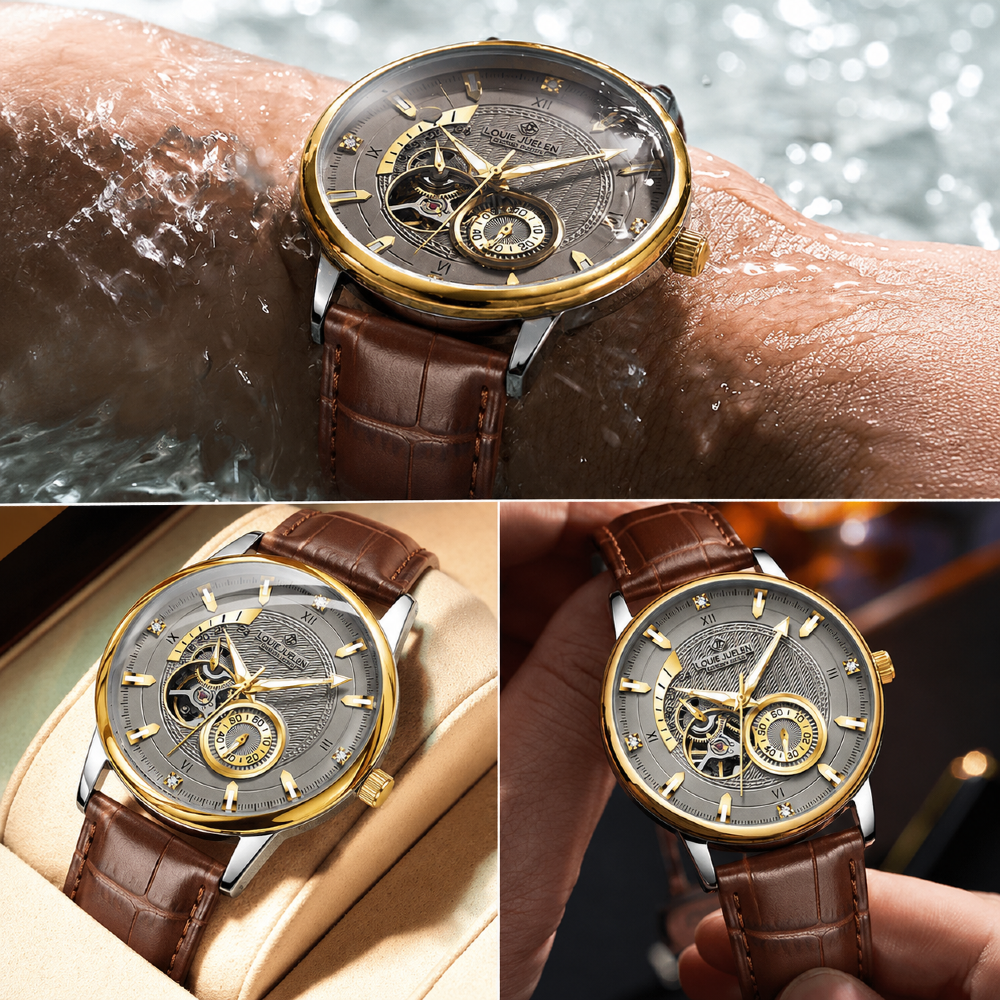
Louis Juelen Luxury Automatic(Tourbillion ) Premium Watch
Automatic Watch Winder
₦85,000
₦150,000
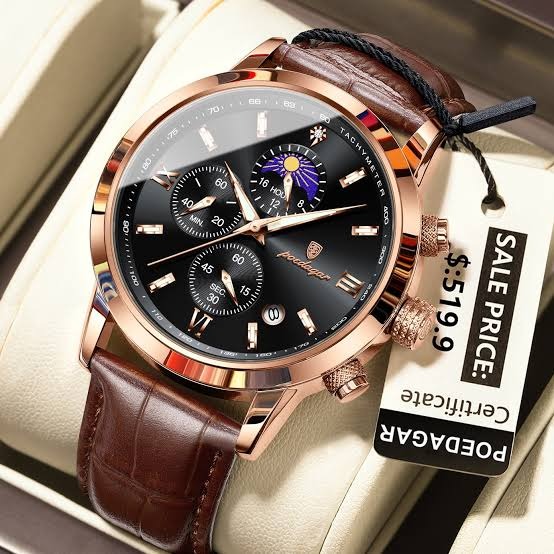
Poedagar Chronograph Luxury Watch
Free 24ml luxury Roll On oil perfume
₦45,000
₦65,000
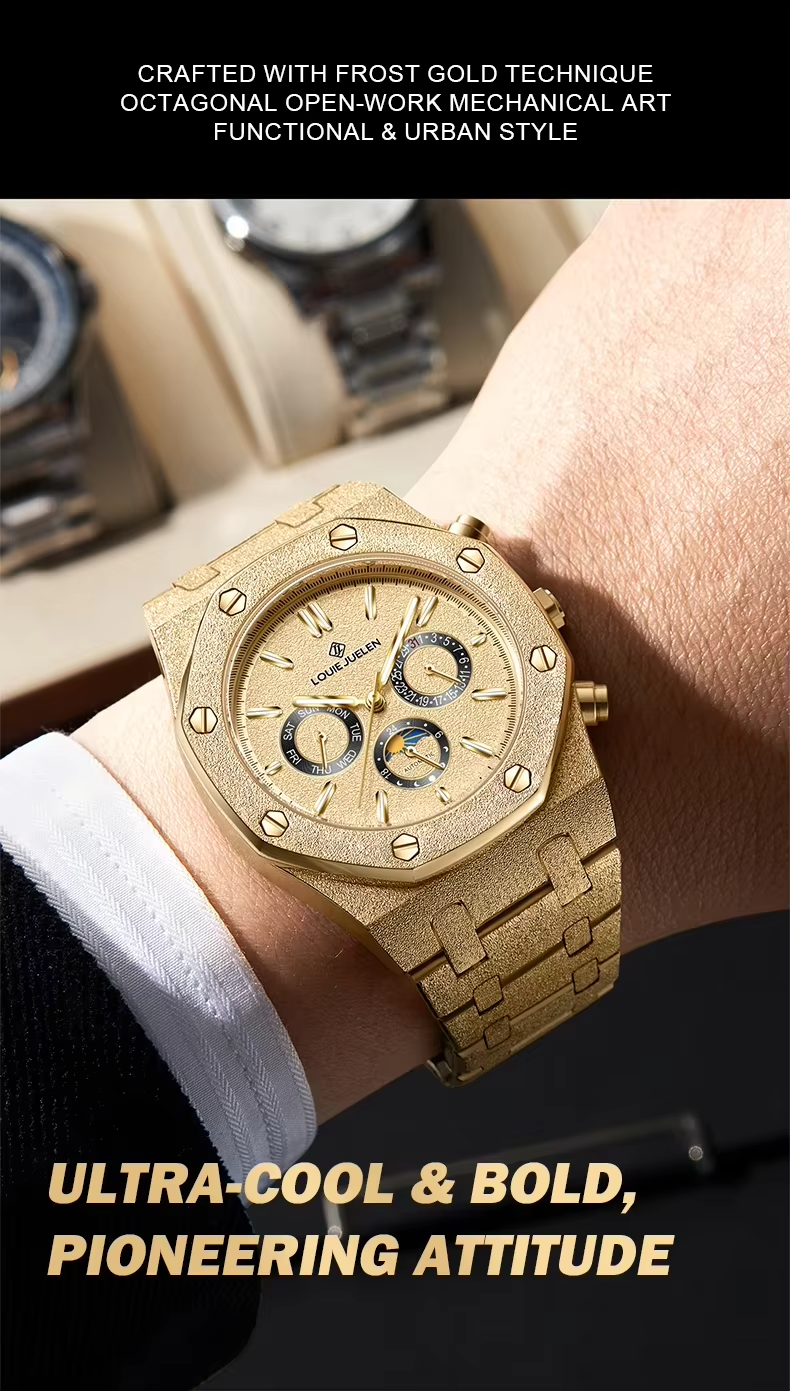
Louis Juelen Automatic Chain Strap
Automatic Watch Winder
₦140,000
₦250,000