

Name and Initial Necklaces: The Complete Personalised Jewelry Guide
A name necklace turns something as ordinary as your own name into jewelry you can wear every day. It is personal in a way a plain pendant never quite manages, and that is exactly why Nigerian women keep buying it for themselves and for the people they love. This guide walks you through the two main styles, the metals worth your money, how to style a name necklace with different necklines, and how to keep it looking new for years.
What is the difference between a name necklace and an initial necklace?
A name necklace spells out a full name or word in metal, so the whole piece becomes the message. An initial necklace uses one or two letters, or a joined monogram, and reads as quieter and more private. Both are personalised jewelry, but one makes a statement while the other whispers.
The name necklace is the bold, expressive choice. It sits at the centre of your look and it is meant to be read. People choose it to carry their own name, a child's name, a nickname a partner uses, or a single word that means something private like Grace or Iyaloja. Because the whole nameplate is the design, it feels emotional and immediate.
The initial necklace is the subtle, versatile choice. A single letter pendant slips neatly between other chains, works in a strict office, and can stand for more than one person at once. You might wear the first letter of your own name, or stack two letters for you and someone close to you. It layers more easily than a horizontal nameplate, which tends to twist and tangle when you pile on chains.
Neither is better. They simply do different jobs. If you want to be seen and remembered, reach for the name necklace. If you want a soft, everyday piece that goes with everything, the initial necklace earns its place.
Which metal should you choose: solid gold, gold vermeil, sterling silver or plated?
Name and initial necklaces come in four common finishes: solid gold, gold vermeil, sterling silver and plated. Solid gold lasts a lifetime and costs the most. Gold vermeil and sterling silver sit in the sensible middle. Plated versions are the most affordable, but the gold layer is thin and wears faster with sweat and water.
Here is the part worth understanding before you spend. The difference between these finishes is not just price, it is how long the piece survives Nigerian heat, humidity and the sweat of a normal day.
- Solid gold is gold all the way through, usually 9k, 14k or 18k. It does not wear off because there is nothing to wear off. It holds value, it is kind to sensitive skin, and it is the piece you pass down. It is the biggest investment of the four.
- Gold vermeil is a thick layer of gold, typically around 2.5 microns, over a solid sterling silver base. That gold layer is roughly five times thicker than standard plating, so with care a vermeil piece can look good for many years and can be re-plated later. It gives you the warm gold look at a friendlier price.
- Sterling silver (marked 925) is a solid precious metal, so it never wears through. It can tarnish over time, but a soft polishing cloth brings the shine straight back. It is the most affordable precious metal and a smart everyday choice.
- Plated pieces carry a very thin gold layer, often around 0.5 microns, over brass. They are the cheapest and perfect for a trend you want to try or a piece you will only wear now and then. The trade-off is honest: the finish fades faster once it meets perfume, lotion, sweat and water.
There is no shame in buying plated. Plenty of women own a mix: a solid gold or vermeil piece for the names that matter forever, and a few plated pieces for fun. The mistake is expecting plated to last like solid gold. Match your money to how often you plan to wear it.
Metal comparison at a glance
| Finish | What it is | How long it lasts | Best for |
|---|---|---|---|
| Solid gold | Real gold throughout (9k-18k) | A lifetime; can be handed down | Forever names, heirloom gifts, sensitive skin |
| Gold vermeil | Thick gold over sterling silver | Many years with care; can be re-plated | The gold look at a mid-range price |
| Sterling silver | Solid 925 silver | Does not wear through; may tarnish then polish back | Everyday wear on a budget |
| Plated | Thin gold over brass | Fades faster with sweat and water | Trying a trend, occasional wear |
How to style a name necklace with your neckline
Style a name necklace by matching the chain length to your neckline and letting the piece breathe. A shorter 40 to 45 centimetre chain suits high necks and collars, while a longer 50 to 55 centimetre chain flatters a deep V or scoop that leaves room for the nameplate to be seen. The goal is for the name to sit flat and legible.
Chain length is the detail most people ignore, and it changes everything. A nameplate that disappears under a collar loses its whole point, while one dropped too low on a high neckline looks lost. Think about the outfits you actually wear before you pick a length.
- High necks, turtlenecks and buttoned collars: choose a shorter chain so the name sits at the base of your throat, above the fabric.
- V-necks and scoop necks: go slightly longer so the nameplate rests in the open space and becomes the centre of the look. This is the flattering choice for owambe outfits and formal events.
- Boat necks and off-shoulder styles: a mid-length chain keeps the balance without competing with the neckline.
Layering a name or initial necklace
Layering works best when you vary the lengths. Keep your name or initial necklace on its own line, then add one plain chain at least 5 centimetres shorter or longer so the two do not tangle. Two well-spaced pieces read as polished; four crowded chains read as messy.
A simple, foolproof formula: one plain fine chain up high, your name or initial piece as the anchor in the middle, and if you want a third, a slightly longer chain with a tiny charm below. Mix a delicate chain with a slightly bolder one so they do not blur together. Initial pendants layer more forgivingly than horizontal nameplates, so if you love a stacked look, an initial necklace gives you less tangling to manage.
For self-expression, do not be afraid to mix metals. A silver initial with a gold name necklace can look intentional and modern as long as you repeat that pairing elsewhere, say in your earrings or a ring.
How do you care for a name necklace so it lasts?
Care for a name necklace by keeping it away from sweat, water, perfume and lotion, then cleaning it gently. Put it on last, after your makeup, perfume and hairspray, and take it off first before you sleep, shower or swim. That single habit does more to protect the finish than any expensive cleaner.
Personalised pieces have delicate joins and thin letters, so they reward a little gentleness. These steps keep both name and initial necklaces bright:
- Last on, first off. Perfume, body cream and hairspray are the fastest way to dull a gold finish. Dress fully, then add the necklace.
- Keep it dry. Remove it before bathing, swimming or a hard workout. Sweat and chlorine are especially rough on plated pieces.
- Wipe after wear. A soft, dry cloth over the nameplate at the end of the day lifts off oils and sweat before they can build up.
- Store it flat and separate. Keep each piece in its own pouch or a lined box so chains do not scratch or knot. A small silica sachet helps in humid weather.
- Clean gently. For a deeper clean, use lukewarm water with a drop of mild soap and a soft brush, then dry fully. Skip harsh chemicals and ultrasonic machines on plated and vermeil pieces.
Treat sterling silver tarnish as normal, not damage. A quick rub with a polishing cloth restores the shine, because the metal is solid throughout.
Why are name and initial necklaces such popular gifts in Nigeria?
Name and initial necklaces are popular gifts because they feel made for one person and no one else. Each name is unique, so the piece carries identity and memory in a way a generic pendant cannot. That mix of personal meaning and everyday wearability is why it works for birthdays, anniversaries, push presents and self-purchases alike.
Gifting in Nigeria is about showing someone you paid attention, and few gifts say that as clearly as her own name in gold. It is a present that survives the moment. Long after the cake is finished, she is still wearing it. Here is where these pieces shine:
- Birthdays: her name, her nickname, or a milestone age word. Personal, useful and remembered.
- Push presents: a growing tradition of gifting a new mother jewelry after birth. A pendant with the baby's name, or the baby's initial layered with the mother's, marks the moment beautifully.
- Anniversaries: two initials together, or a partner's name, quietly worn every day.
- Graduations and new jobs: a first grown-up piece of gold to mark a real achievement.
- Just for you: plenty of women skip waiting for an occasion and buy their own name. Wearing your name is a small, daily act of self-respect.
Because you control the font, the letters and the metal, no two orders are the same. That is the quiet luxury of personalised jewelry: it is bought for one person, and it looks like it.
Frequently asked questions
Is a name necklace or an initial necklace better for everyday wear?
An initial necklace is usually the easier everyday piece. A single pendant with one attachment point is sturdy and layers without tangling. A name necklace is still perfectly wearable daily, but it looks its best when it sits flat and does not twist, so it suits a slightly more considered outfit. If you want something you never think about, choose the initial. If you want something that speaks, choose the name.
Will a plated name necklace turn my skin green or fade?
Plated pieces can fade over time because the gold layer is thin, and once the brass base underneath is exposed it may mark sensitive skin. You can slow this down a lot by keeping the necklace dry and away from perfume and sweat. If you have reactive skin or want a piece for daily wear over years, choose sterling silver, gold vermeil or solid gold instead, which are gentler and far more durable.
What chain length should I order for a name necklace?
For most women a chain of around 45 centimetres sits comfortably at the collarbone and works with the widest range of outfits. Go shorter, near 40 centimetres, if you mostly wear high necklines or want the name higher on the throat. Go longer, 50 centimetres or more, for deep V-necks or if you plan to layer it under a shorter plain chain.
Can I get a name necklace with a Nigerian or non-English name?
Yes. Name necklaces are made letter by letter, so a Yoruba, Igbo, Hausa or any other name works exactly the same as an English one. Longer names simply make a wider nameplate, and script fonts suit flowing names beautifully. Double-check the spelling before you order, since the piece is cut to your exact request.
A name or initial necklace is one of the few pieces of jewelry that is truly yours from the start. Choose the metal that matches how often you will wear it, pick a length that flatters your favourite necklines, treat it gently, and it will stay meaningful long after the occasion that brought it to you.
Featured in our collection
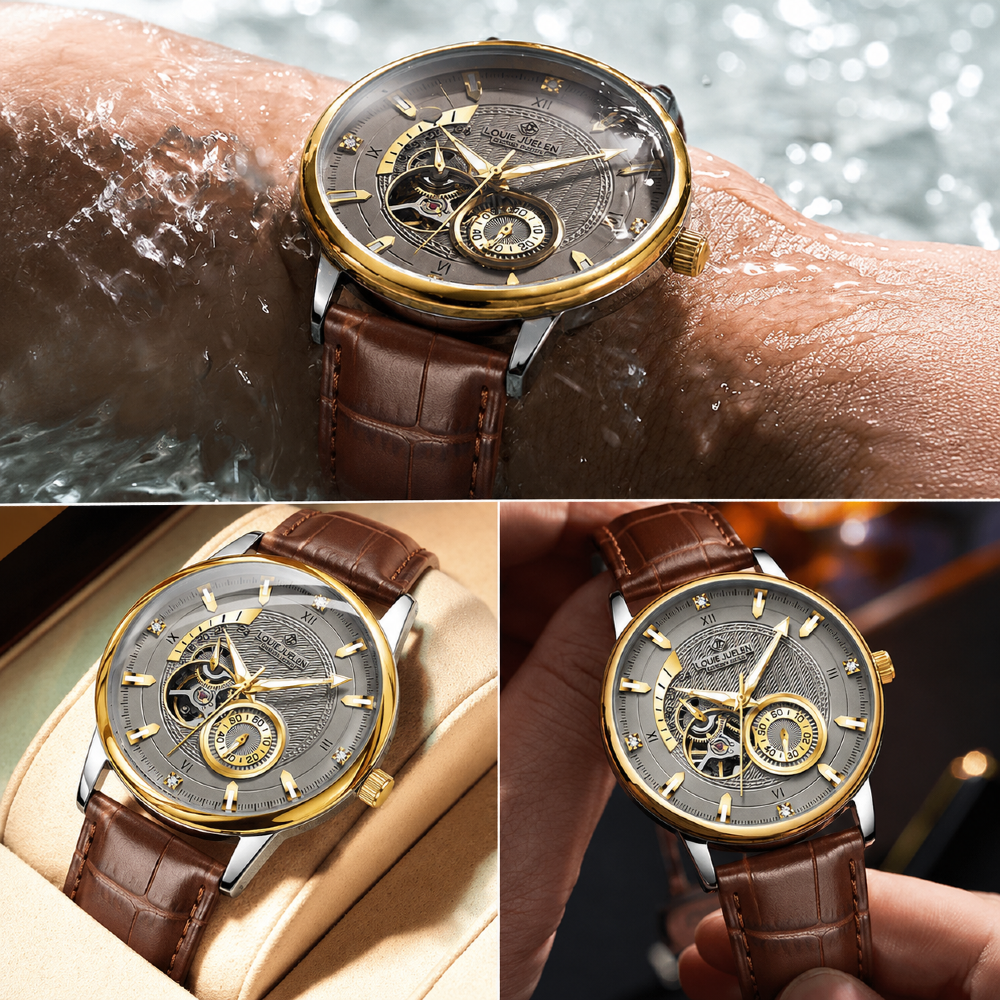
Louis Juelen Luxury Automatic(Tourbillion ) Premium Watch
Automatic Watch Winder
₦85,000
₦150,000
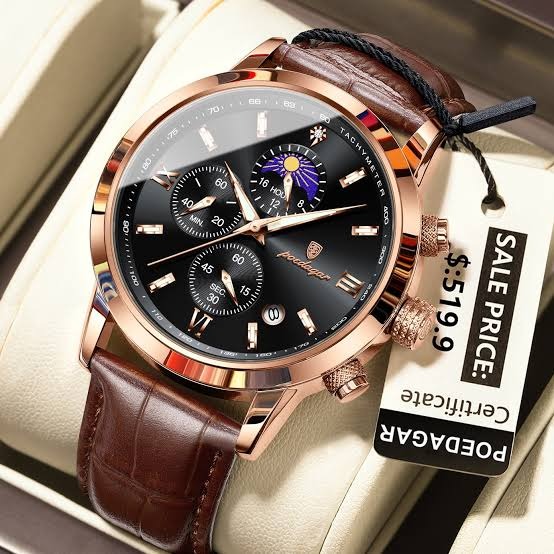
Poedagar Chronograph Luxury Watch
Free 24ml luxury Roll On oil perfume
₦45,000
₦65,000
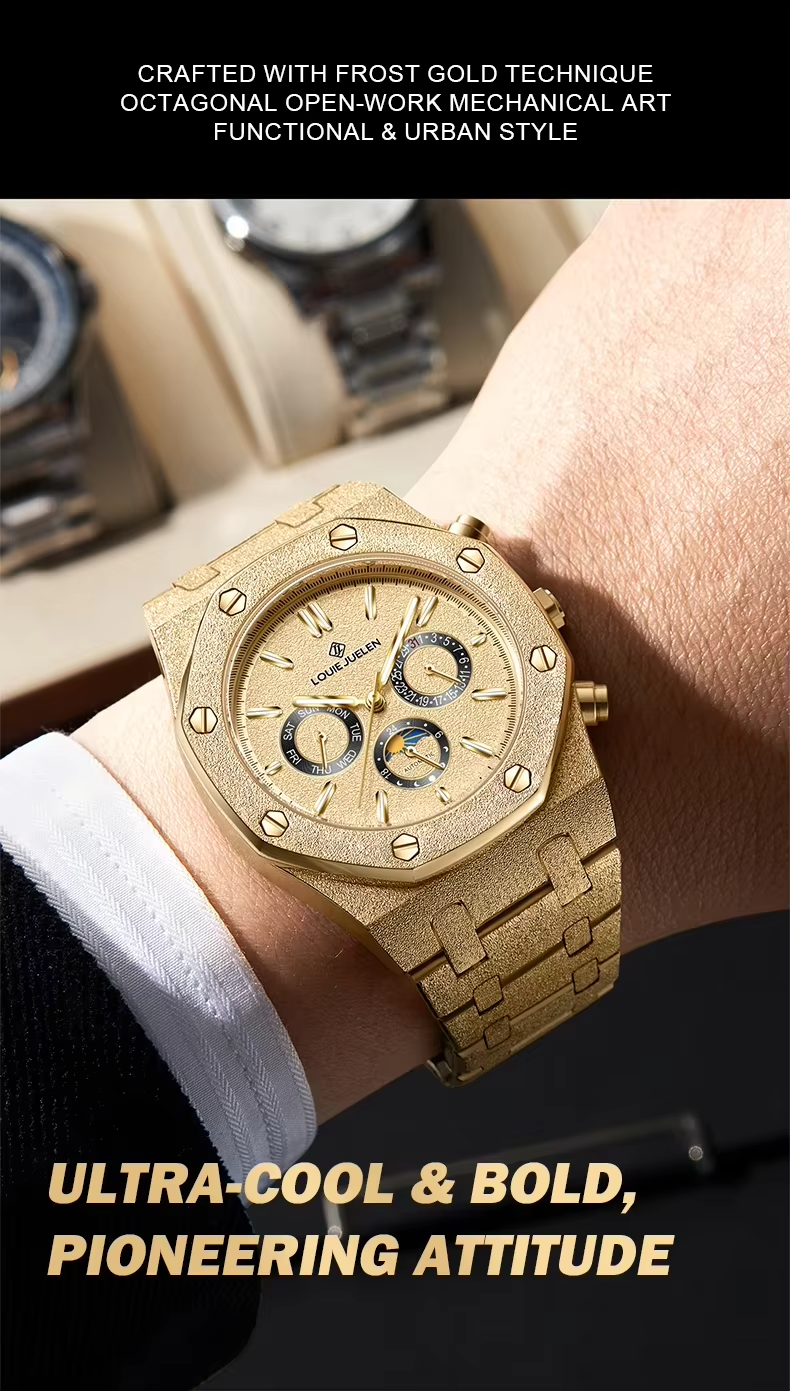
Louis Juelen Automatic Chain Strap
Automatic Watch Winder
₦140,000
₦250,000