

How to Travel With and Store Your Jewelry Safely
Your jewelry travels with your memories. The gold hoops you wore to your sister's wedding, the pearl set your mother handed down, the watch you bought yourself after a hard year. Losing them to a tangled chain, a scratched stone, or a lost checked bag is the kind of heartbreak that has nothing to do with the naira value. This guide is written for the Nigerian owner who moves: Lagos to London, Abuja to Dubai, or just home to the village for Christmas. You will learn how to pack, carry, and store your pieces so they arrive exactly as they left.
We have already covered cleaning and tarnish removal elsewhere on the blog, so here we focus purely on two things: getting your jewelry safely from one place to another, and keeping it protected at home between trips.
How to Store Jewelry When Traveling Without Tangles or Damage
To store jewelry when traveling, use a padded jewelry travel case or roll with separate compartments so pieces cannot rub or knot together. Thread necklaces through a drinking straw to stop tangles, keep each pair of earrings clasped, and always carry fine jewelry in your hand luggage rather than checked baggage.
The single biggest mistake travellers make is tossing everything into one pouch and hoping for the best. Metal against metal scratches. Chains left loose will braid themselves into a knot that takes twenty minutes and a straight pin to undo. The fix is separation and cushioning, and it costs almost nothing to get right.
Choose the Right Jewelry Travel Case
A proper jewelry travel case does three jobs at once: it separates, it cushions, and it stays flat in your bag. Look for these features when you buy one:
- Padded, lined compartments so rings, studs, and pendants each sit in their own soft slot and never touch.
- Built-in necklace hooks or straps that hold chains straight and taut, which is the real secret to arriving tangle-free.
- A firm outer shell or a rollable design in velvet or suede that folds without crushing the pieces inside.
- A zip closure, not a magnetic flap, so nothing slides out if the case turns over in transit.
If you are only carrying a few pieces for a weekend in Abuja, a small roll is enough. For a longer trip with several outfits, a structured case with a ring bar and multiple earring slots earns its space in your bag.
Prevent Tangled Necklaces With the Straw Trick
This is the cheapest and most reliable trick in the whole guide. Take an ordinary plastic drinking straw, cut it to just shorter than your chain, thread the necklace through the straw, then fasten the clasp at the end. The straw holds the chain rigid so it physically cannot loop over itself. For longer chains, tape two straws end to end. Lay the threaded necklaces flat in your case and they come out ready to wear.
Two more methods work well when you do not have a straw handy:
- Cling film method: lay a sheet of plastic wrap flat, space your necklaces across it with room between each, then press a second sheet on top. The chains stay separated and cannot shift.
- Ziplock method: drop the pendant into a small ziplock bag, leave the clasp end hanging outside, and seal the bag around the chain. One necklace per bag keeps everything isolated.
Pack Rings, Earrings, and Bracelets the Smart Way
Keep every earring pair fastened through a small square of felt or a spare button so you never lose the second one at the bottom of your bag. Slide rings onto a padded ring bar or a rolled strip of soft fabric. Wrap bangles individually in tissue or a soft cloth so hard bracelets do not chip softer stones. The rule is simple: nothing hard should ever sit loose against something it can scratch.
How to Carry Fine Jewelry at the Airport Safely
Always keep fine jewelry in your carry-on bag, never in checked luggage. Airlines mishandle a small but real share of checked bags every year, and a lost suitcase means a lost heirloom you cannot replace. Wear or hand-carry your valuable pieces, keep them in a flat pouch that opens easily for screening, and photograph everything before you leave.
For Nigerian travellers flying through Lagos, Abuja, or connecting hubs like Dubai, Doha, and Istanbul, the logic is the same everywhere: your jewelry stays with you. Checked bags get delayed, rerouted, and occasionally opened. A high-value chain has no business in the hold.
Getting Through Security Screening
Most fine jewelry, including gold and simple chains, will not trigger the metal detector, so you can usually keep it on. If you prefer to remove chunky or heavy pieces before the scanner, put them into your carry-on bag, not into an open tray or bin where they can be forgotten or grabbed. A flat, easy-open pouch lets a security officer inspect the contents quickly and hand them back without your pieces scattering across the counter.
Documentation, Customs, and Insurance
Before any big trip, do three things:
- Photograph each valuable piece and save the images to your phone and email. If anything is lost or stolen, this is your proof.
- Keep receipts, appraisals, or certificates for high-value items. On international routes these help prove you owned the piece before you travelled and did not buy it abroad, which matters at customs.
- Check your insurance. Standard travel insurance often limits or excludes jewelry, so a dedicated jewelry policy that covers loss, theft, and accidental damage is worth it for genuinely valuable pieces. Some insurers ask you to notify them before you travel, so read the terms.
For most everyday gold and silver, insurance is overkill. For an engagement ring, an inherited set, or a luxury watch, it is peace of mind that pays for itself the one time you need it.
How to Store Jewelry at Home So It Lasts
To store jewelry at home, keep each piece separately in a lined box with padded compartments so nothing scratches, store silver in airtight anti tarnish pouches, and keep everything in a cool, dry place away from humidity. Never store jewelry in the bathroom, because steam and moisture speed up tarnishing dramatically.
Home storage is where most damage quietly happens over months, not minutes. Pieces thrown together in a bowl scratch each other. Silver left in humid air turns grey. The good news is that fixing your storage is a one-afternoon job that protects your collection for years.
Use a Lined Box With Separate Compartments
A good jewelry box does at home what a travel case does on the road: it keeps every piece apart and cushioned. Look for velvet or felt-lined trays with divided slots, a ring bar, necklace hooks so chains hang straight, and grid sections for earrings. Assign a home to each type of piece: rings in padded slots, necklaces on hooks, studs in grid compartments. Daily pieces go in the top tray where you can reach them, and special-occasion jewelry sits in the lower compartments.
Anti Tarnish Storage for Silver and Fashion Pieces
Silver and many gold-plated fashion pieces tarnish when they meet moisture, sulfur in the air, perfume, and sweat. The Nigerian climate, especially during the humid rainy season and in coastal cities like Lagos and Port Harcourt, makes this worse. Anti tarnish storage slows it right down:
- Give each silver piece its own airtight ziplock or anti-tarnish pouch and press all the air out before sealing.
- Add an anti-tarnish strip or a small silica gel packet inside the bag or box to soak up sulfur and moisture. Replace the strips every three to six months.
- Keep everything out of direct sunlight and away from perfume, hairspray, and lotion.
- Wipe pieces with a soft cloth before storing so body oils and sweat do not sit on the metal overnight.
Never Store Jewelry in the Bathroom
It feels convenient to leave your chain on the bathroom shelf after a shower, but the bathroom is the worst room in the house for jewelry. Every hot shower fills the air with steam, and that constant moisture accelerates tarnish and can loosen glued settings over time. Store your pieces in a bedroom drawer or wardrobe instead, somewhere cool and dry, and your silver will keep its shine far longer.
Travel Case vs Home Storage: What Each One Needs to Do
Travel storage and home storage share the same goal of separation and protection, but they solve slightly different problems. A travel case has to survive movement, tight bags, and quick security checks, while a home box has to fight humidity and daily wear over the long term. This table shows how to match the solution to the setting.
| Need | Jewelry Travel Case | Home Storage Box |
|---|---|---|
| Main job | Survive movement without tangling or scratching | Prevent tarnish and daily wear over months |
| Best format | Compact roll or firm zip case with hooks | Lined tray box with divided compartments |
| Tangle control | Necklace hooks plus the straw or cling-film trick | Hanging hooks so chains stay straight |
| Tarnish control | Short trips, so exposure is limited | Airtight anti-tarnish pouches and silica gel |
| Where it lives | Always in your carry-on | Cool, dry bedroom drawer, never the bathroom |
| Key rule | Separate and cushion every piece | One piece per compartment, away from humidity |
A Simple Pre-Trip Jewelry Checklist
Before you zip your bag, run through this quick list so nothing gets forgotten and nothing gets damaged. It takes five minutes and saves you the panic of realising at the airport that your case is buried in the hold.
- Decide what actually travels. Leave your most valuable heirlooms at home unless you truly need them. Fewer pieces means less risk.
- Thread necklaces through straws or wrap them in cling film so they arrive tangle-free.
- Pair and secure earrings, wrap bangles, and slot rings onto a padded bar.
- Load everything into your carry-on case, never the checked bag.
- Photograph valuable pieces and carry receipts or appraisals for the important ones.
- Confirm insurance if you are travelling with anything genuinely high in value.
Frequently Asked Questions
How do I store jewelry when traveling to stop necklaces tangling?
Thread each necklace through a drinking straw and fasten the clasp so the chain stays rigid and cannot loop over itself. Alternatively, press each necklace flat between two sheets of cling film, or seal it in its own small ziplock bag with the clasp hanging out. Then lay them flat in a padded travel case with separate compartments.
Can I bring jewelry on a plane in my carry-on?
Yes, and you should. Keep all fine jewelry in your carry-on or wear it, never in checked luggage where a lost or delayed bag could mean losing it forever. Most gold and silver will not set off the metal detector, so you can usually keep it on. If you remove heavy pieces for screening, put them into your bag rather than an open tray.
What is the best way to do anti tarnish storage for silver at home?
Store each silver piece in its own airtight ziplock or anti-tarnish pouch with the air pressed out, and drop in an anti-tarnish strip or silica gel packet to absorb moisture and sulfur. Keep the pouches in a cool, dry drawer away from sunlight, perfume, and above all the bathroom, where steam speeds up tarnishing.
Should I insure my jewelry before I travel?
For everyday gold and silver, insurance is usually unnecessary. For high-value pieces like an engagement ring, an inherited set, or a luxury watch, a dedicated jewelry policy that covers loss, theft, and accidental damage is worth it, since standard travel insurance often limits or excludes jewelry. Check whether your insurer needs you to notify them before you travel.
Protect Your Pieces, Wherever You Go
Good storage is not complicated. Separate every piece, cushion it, keep silver airtight and away from moisture, and carry your valuables close when you fly. Do those few things and your jewelry stays as beautiful as the day you bought it, trip after trip, year after year. When you are ready to add a new piece to your collection, choose something built to last and store it the way it deserves.
Featured in our collection
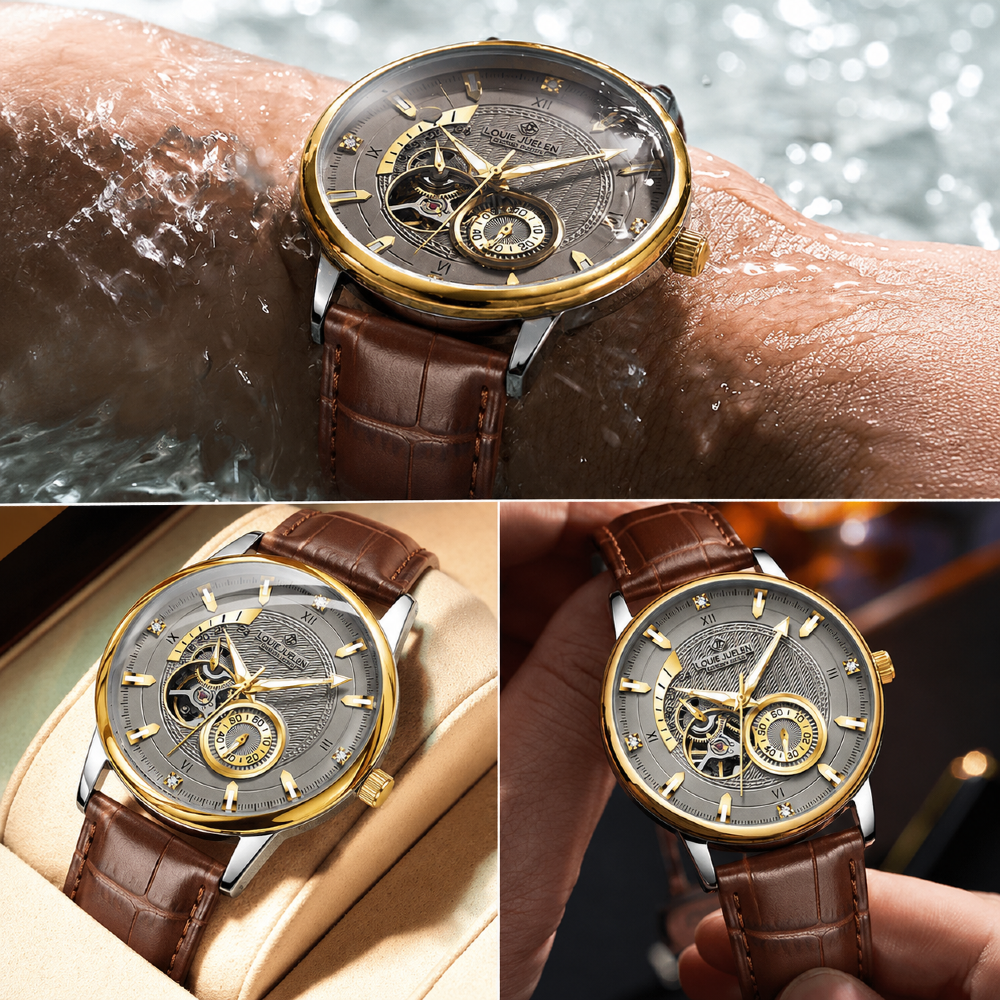
Louis Juelen Luxury Automatic(Tourbillion ) Premium Watch
Automatic Watch Winder
₦85,000
₦150,000
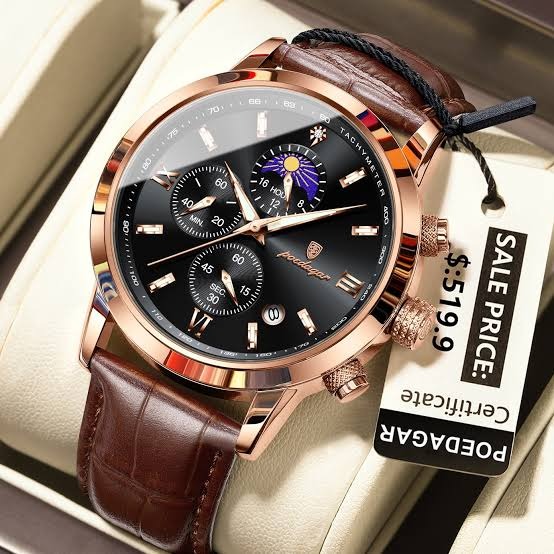
Poedagar Chronograph Luxury Watch
Free 24ml luxury Roll On oil perfume
₦45,000
₦65,000

Louis Juelen Automatic Chain Strap
Automatic Watch Winder
₦140,000
₦250,000