

How to Store Watches Long-Term: An Expert Care Guide
You reach into the drawer for the watch you set aside eighteen months ago. The dial has a hazy bloom of moisture under the crystal. The leather strap has stiffened and cracked at the lugs. Or worse, you open a quartz watch to find a crusted white leak where the battery used to sit, and the movement beneath it is ruined. None of that had to happen. A watch that goes into storage healthy should come out healthy, and the difference between the two outcomes is almost always a handful of small decisions made before you close the lid.
Whether you are putting away a single heirloom for a season or resting part of a growing collection, this guide walks through how to store watches long-term the right way: how to prepare each piece, where to keep it, how to handle automatics versus quartz, and how to control the two silent enemies of any timepiece, humidity and neglect.
How to Store Watches Long-Term: The Short Answer
To store watches long-term, clean each piece first, then keep it in a dedicated watch box or padded pouch in a cool, dry, dark place at roughly 40 to 60 percent humidity, away from heat, sunlight, and magnets. Let automatics wind down or use a winder, and remove quartz batteries to prevent leaks.
That is the whole method in one breath. The rest of this guide explains why each step matters and how to tailor it to the kind of watch you own, because an automatic chronograph, a quartz dress watch, and a leather-strapped vintage piece each want slightly different care when they go to sleep for a while.
Clean Every Watch Before It Goes Into Storage
Always clean a watch before storing it, because the sweat, skin oils, dust, and body salts left on the case and strap keep working against the metal and leather the entire time the watch sits idle. What looks like a light smudge today becomes a corroded lug or a stained strap after a year in a drawer.
Wipe the case, crystal, and bracelet gently with a soft, dry microfiber cloth. For a metal bracelet with visible grime in the links, a barely damp cloth followed by thorough drying works well, but keep water away from the crown and case seams unless you are certain of the watch's water resistance. Leather straps deserve special attention here: oils and moisture are what break leather down, so wipe the strap clean and let it dry completely before it goes anywhere near a closed box.
Cleaning first does something psychological too. It forces you to inspect the watch, so you notice a loose spring bar, a chip, or a gasket that looks tired before those problems get sealed away and forgotten.
Choose the Right Watch Box, Pouch, or Case
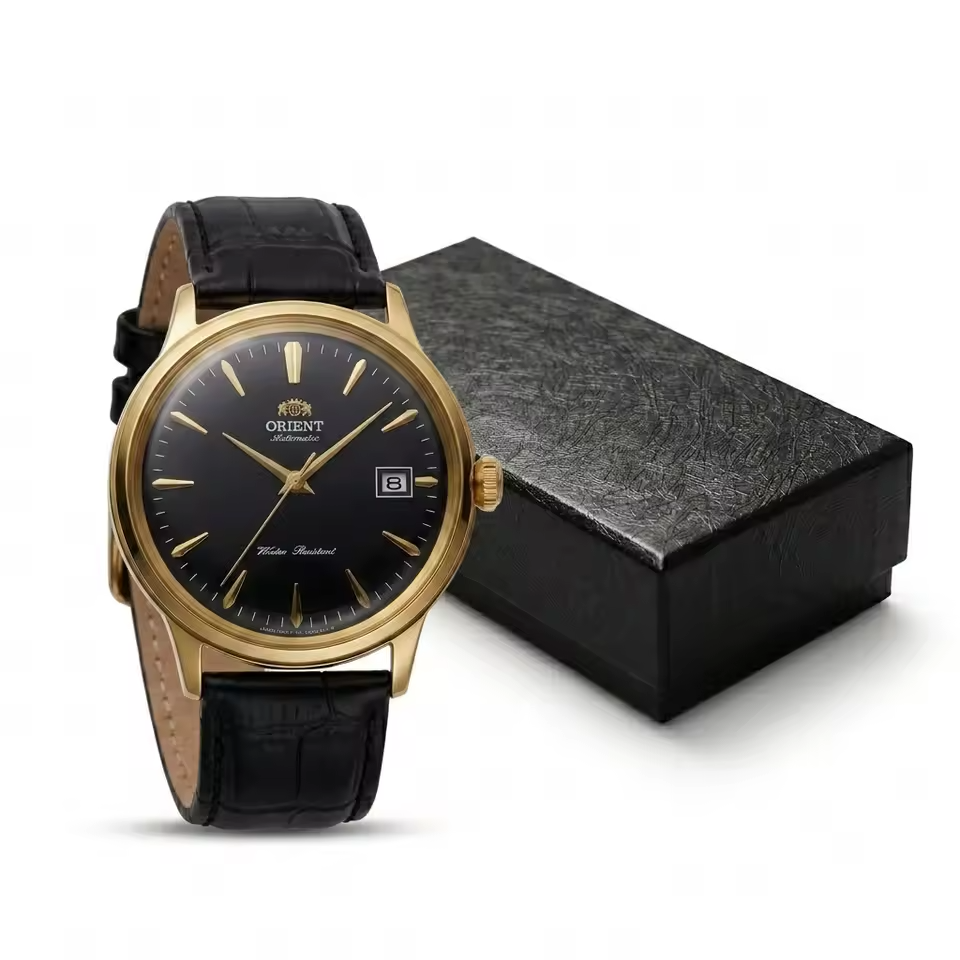
The best watch box storage keeps each piece separated, cushioned, and shielded from dust and light, which is why a dedicated watch box with individual padded slots is the gold standard for a collection. Individual compartments stop watches from knocking against each other, and a lined interior protects crystals and polished surfaces from micro-scratches.
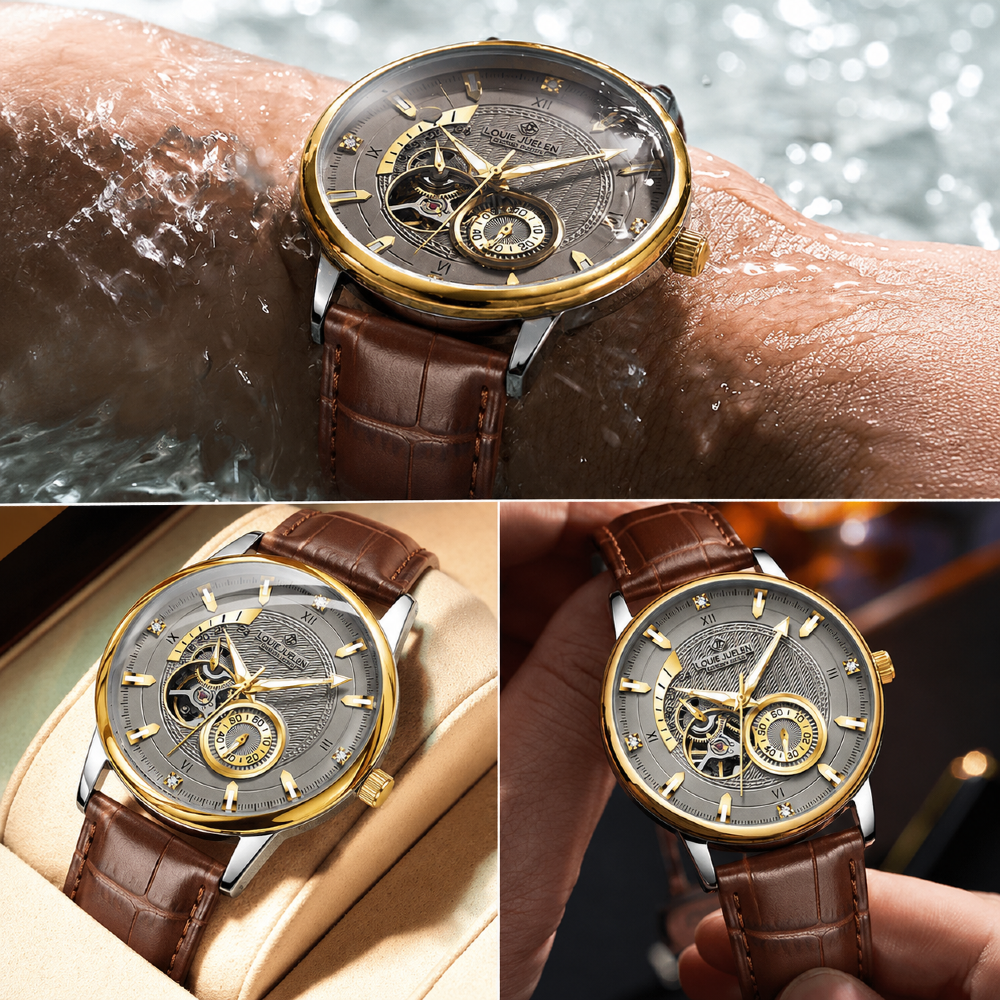
If you only have one or two watches, you do not need a display case. A soft cloth pouch or a padded travel roll tucked into a drawer does the job beautifully, protecting the watch from dust, bumps, and stray scratches while it rests. The priorities are simple: something soft against the watch, something that keeps light out, and something that keeps the pieces from touching each other.
Avoid open display stands for genuinely long-term storage. They look wonderful on a dresser, but they leave your watches exposed to dust, sunlight, and the slow oxidation that comes with constant air exposure. Save the display for the watches you actually wear.
Control Humidity, Heat, and Sunlight
Humidity is the single most destructive force in watch storage, so keep your watches in a dry, stable environment at roughly 40 to 60 percent relative humidity and a steady temperature of about 60 to 72°F (15 to 22°C). Too much moisture invites rust on the movement and case, and it accelerates the drying and cracking of leather straps, especially on watches that are not deeply water-resistant.
If you live somewhere humid, put a few silica gel desiccant packets in the box or drawer. Many change color as they absorb moisture, so you can see at a glance when it is time to swap or dry them out. In a genuinely damp climate, a small dehumidifier in the storage room is worth considering.
Heat and light do their own damage. Direct sunlight and UV exposure fade dials and bleach straps over time, while heat degrades the delicate lubricants inside a mechanical movement. That rules out sunny windowsills, spots near radiators, attics, and cars. A cool, dark drawer or closet shelf, kept away from exterior walls that swing with the weather, is close to ideal.
Keep Watches Away From Magnets
Store watches well away from magnetic sources, because magnetic fields disrupt the balance of a mechanical movement and can throw its timekeeping off badly. The culprits are more common than most people realize: speakers, laptops and tablets, phones, refrigerator magnets, hair dryers, and even the magnetic clasps built into some handbags and jewelry cases.
Magnetization rarely destroys a watch outright, and a watchmaker can demagnetize a movement in minutes, but it is an easy problem to avoid entirely. When you pick a drawer or shelf for storage, make sure there is nothing magnetic sitting right beside it.
How to Store an Automatic Watch Long-Term
To store an automatic long-term, you have two sound options: let the watch wind down and rest, or keep it running on a watch winder. Both are legitimate. An automatic that simply stops comes to no harm sitting still in a proper environment, and letting it rest is perfectly fine for months at a time.
Before you set a mechanical watch aside, many watchmakers suggest giving it a full manual wind first, which helps distribute the lubricants across the movement one last time before it goes dormant. After that, you can let it run down naturally and store it face-up to protect the dial and support even lubricant distribution.
The alternative is a watch winder, a small motorized case that gently rotates the watch to keep the mainspring wound and the movement running. Winders shine if you own several automatics or hate the ritual of resetting the time, date, and complications every time you want to wear one. If continuous running is not important to you, an even simpler middle path works for a long rest: wind and run the watch for a little while every few weeks to keep the oils from settling, then let it stop again.
One myth worth retiring: leaving an automatic unwound will not ruin it. The oils inside a mechanical watch age on their own timeline whether the watch runs or not, which is why servicing every three to five years is recommended regardless of how you store it.
How to Store a Quartz Watch: Remove the Battery
For a quartz watch going into long-term storage, seriously consider removing the battery, because a battery left inside a dormant watch can leak and cause irreversible damage to the movement. A leaking cell is one of the most common and heartbreaking ways a perfectly good quartz watch dies in a drawer.
The general guidance is that if a quartz watch will sit unworn for more than about a month, taking the battery out removes the risk of leakage entirely. On many watches this is a quick job at a watch counter or jeweler, and it costs almost nothing compared to a wrecked movement. If you would rather not open the case, some owners pull the crown out to the time-setting position, which stops the hands and slows the drain on the battery. That reduces the drain but does not eliminate the leak risk, so removing the cell remains the safer choice for a long sleep.
Watch Storage Do's and Don'ts
Keep this table in mind as you pack your watches away. It condenses the whole method into quick reference form.
| Do | Don't |
|---|---|
| Clean each watch and strap before storing | Store a watch dirty, with sweat and oils on it |
| Use a padded box or soft pouch, one slot per watch | Let watches touch or knock together |
| Keep humidity around 40 to 60 percent | Store in a damp basement, bathroom, or attic |
| Add silica gel packets in humid climates | Ignore moisture until rust appears |
| Store in a cool, dark, stable spot | Leave watches in sunlight, heat, or a hot car |
| Keep watches away from magnets and speakers | Rest a watch on a laptop, phone, or magnetic clasp |
| Remove the battery from stored quartz watches | Leave a battery inside for months to leak |
| Let automatics rest or use a winder | Assume an unwound automatic is being harmed |
| Check on stored watches every so often | Forget them for years without a glance |
Don't Just Store Them, Check On Them
The final habit that separates a well-kept watch from a ruined one is the occasional check-in. Even in ideal conditions, watches benefit from a periodic look every couple of months: glance under the crystal for any hint of moisture, inspect straps for stiffness or degradation, and confirm the silica gel has not saturated.
For mechanical pieces, an occasional wind during these check-ins keeps the lubricants from settling and gives you a moment to notice anything amiss. And if you are storing a valuable watch for a very long stretch, a preventive service or check-up at an authorized watchmaker before it goes away, or after it comes back out, is money well spent. A watch is built to be looked after, and a few minutes of attention now and then is all it asks.
Frequently Asked Questions
How long can you store an automatic watch without winding it?
An automatic watch can sit unwound for months or even years without damage, as long as it is stored in a cool, dry, magnet-free environment. It will simply stop running. When you want to wear it again, wind it, reset the time, and it comes back to life. The lubricants age on their own schedule regardless, so plan on servicing every three to five years no matter how long it rested.
Should I remove the battery from a quartz watch before long-term storage?
Yes, removing the battery is the safest approach if a quartz watch will be stored for more than about a month. A battery left inside a dormant watch can leak and destroy the movement, an expensive failure that costs far more to fix than a simple battery removal. If you cannot remove it, pulling the crown out to stop the hands slows the drain, but it does not remove the leak risk.
What humidity level is best for storing watches long-term?
Aim for roughly 40 to 60 percent relative humidity for long-term watch storage. Below that range leather straps can dry and crack; above it, moisture invites rust on the case and movement and can fog the dial. Silica gel packets and, in very damp climates, a small dehumidifier help hold the sweet spot. Pair stable humidity with a steady, cool temperature away from heat and sunlight.
Is it better to store watches in a box or a pouch?
Both work well, and the right choice depends on how many watches you have. A padded watch box with individual slots is ideal for a collection, keeping each piece separated, cushioned, and shielded from light. For one or two watches, a soft cloth pouch in a drawer offers the same core protection from dust, scratches, and sunlight without the bulk. The essentials are the same either way: soft, dark, and separated.
Store your watches with this kind of care and they will reward you, keeping their looks, their accuracy, and their value ready for the day you slip them back on.