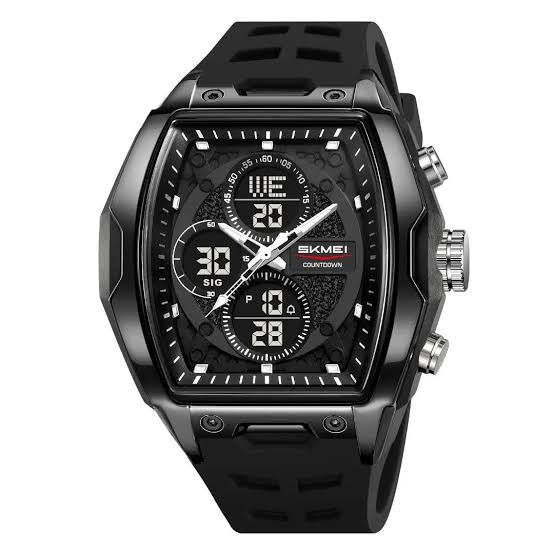


How to Shop Luxury for Less: Spotting Real Value
You have felt it at the register: that small flinch when the number on the tag has almost nothing to do with the thing in your hand. A logo stitched onto ordinary cotton. A watch that ticks like a supermarket clock. A gold-colored chain that will turn your neck green by autumn. Somewhere along the way, price stopped meaning quality and started meaning marketing. Learning how to shop luxury for less is really about learning to see again, so your money follows the craftsmanship instead of the campaign.
The good news is that real value leaves fingerprints. Materials, construction, and finishing tell the truth even when the price tag lies. Once you know where to look on a strand of hair, inside a watch case, or under the clasp of a necklace, you can walk past the hype and buy the thing that actually lasts. This is a guide to spotting that value across hair, watches, and jewelry, so you spend less and own better.
What "Value Over Brand" Really Means When You Shop Luxury
Value over brand means paying for what the item is made of and how it is built, not for the name printed on it. Luxury markups commonly run from 100 percent to as high as 2,000 percent, with roughly 500 percent being average, so a large share of many price tags covers image, runway shows, and boutique atmosphere rather than materials.
That gap is not a conspiracy; it is a business model. When you buy a heavily branded piece, you are paying for cultural relevance and the store experience as much as the stitching. Supply-chain reporting has documented extreme cases, including Dior suppliers in Italy paid around 53 euros to assemble an accessory that retailed for more than 2,500 euros, a markup near 3,000 percent. None of that makes luxury worthless. It simply means the smart move is to separate the two things you are being sold: the object and the aura. Buy the object. Skip the aura when you can. That single habit is the heart of affordable luxury tips that actually work.
Where Quality Shows in Hair: Raw and Cuticle-Aligned
In hair, real value lives in the cuticle. The most durable extensions and wigs use raw or Remy hair where the cuticle layer stays intact and aligned in one direction, which keeps strands smooth, reflective, and resistant to tangling. That structural detail, not the packaging, is what separates hair that lasts from hair that mats within weeks.
Here is the plain version. Every strand has an outer cuticle, like scales on a fish. When those scales all point the same way and stay unstripped, the hair behaves like healthy hair growing from your own head: it catches light, holds moisture, and resists knots. Raw hair is 100 percent unprocessed and cuticle-aligned from a single donor, which is why it commands the highest price and can last up to around 24 months with proper care. Remy hair keeps the cuticle aligned but may have had minimal processing such as coloring, and it typically lasts 6 to 12 months, which makes it the sweet spot for high quality on a budget.
Non-Remy hair is where buyers get burned. It is gathered from mixed sources with cuticles running in every direction, then acid-bathed to strip those cuticles and coated in silicone so it feels smooth in the store. That shine is temporary. Once the silicone washes out, you get tangling, dullness, and matting. So the value question for hair is simple: is the cuticle intact and aligned? If yes, you are paying for longevity. If the seller cannot answer, assume you are paying for silicone.
How to Test Hair Before You Commit
Run your fingers down the strands in both directions; cuticle-aligned hair feels smooth downward and slightly resistant upward. Cuticle-intact hair also stays naturally water-repellent, so it resists soaking and holds a bead rather than instantly absorbing. Ask directly whether the hair is raw, Remy, or non-Remy, and treat a vague answer as your answer.
Where Quality Shows in Watches: Movement, Steel, and Sapphire
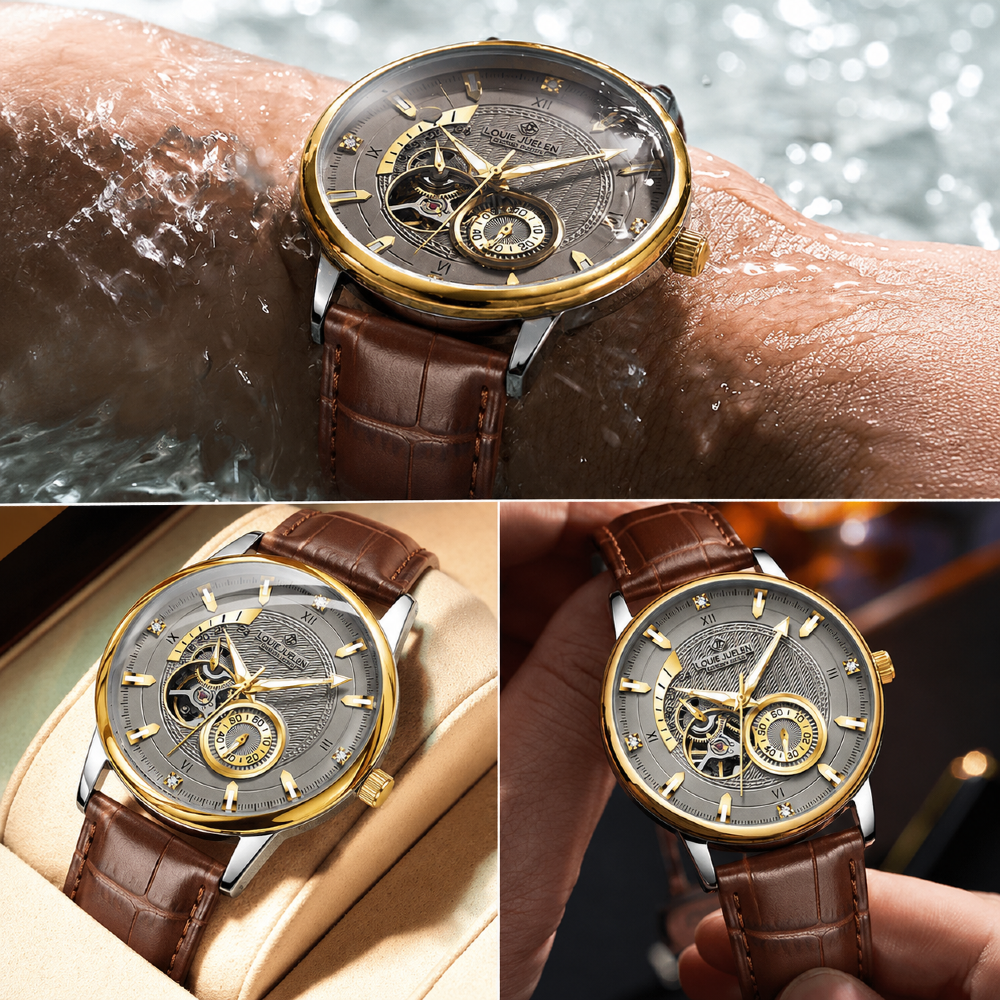
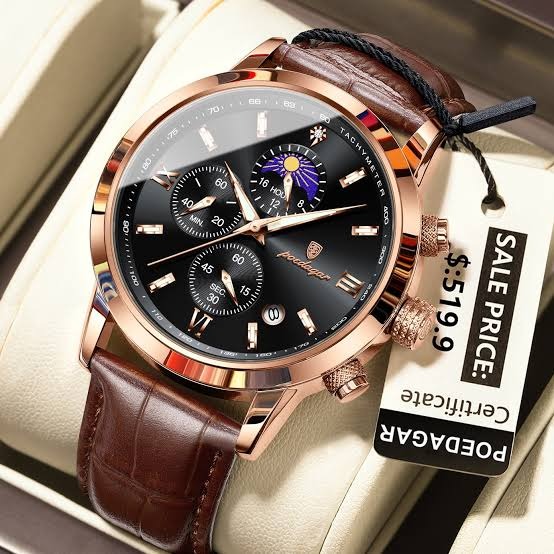
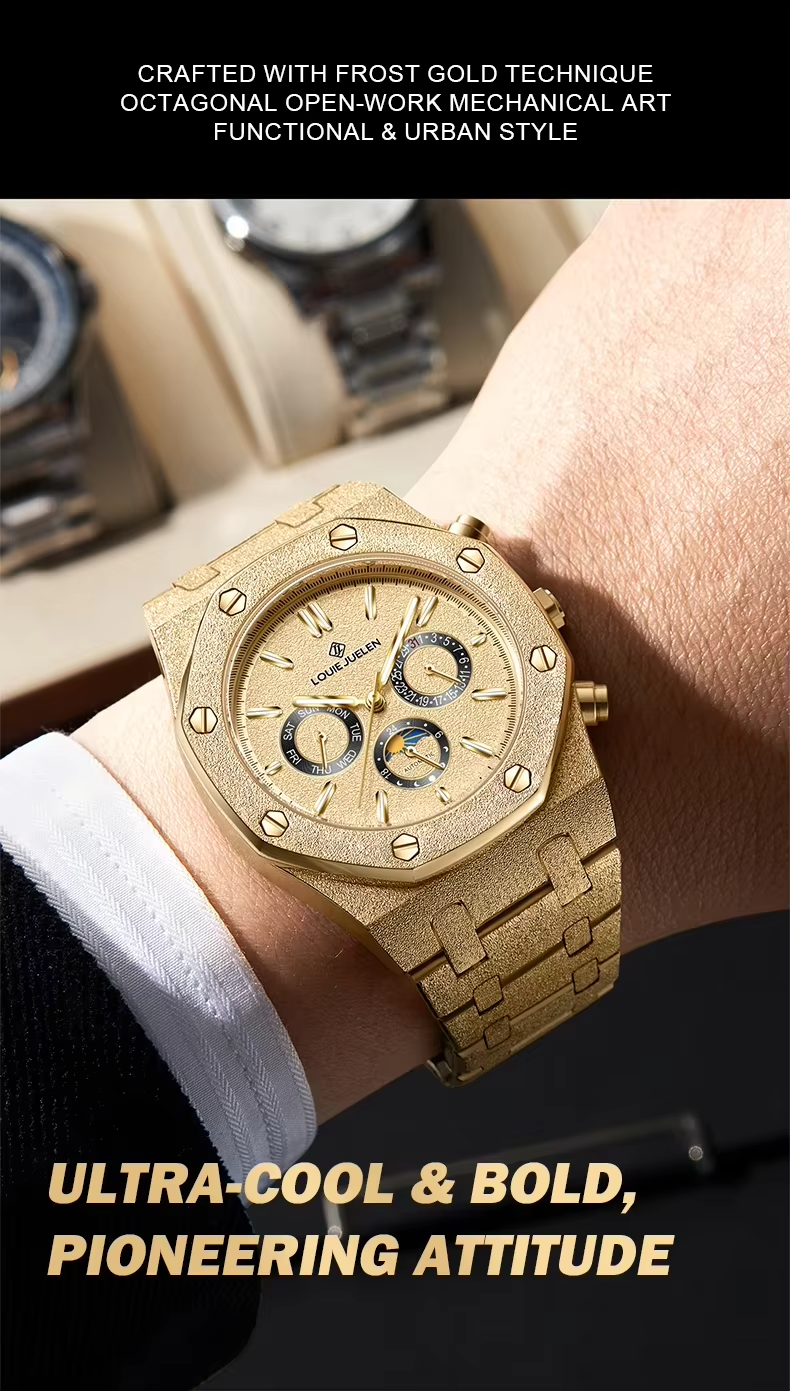
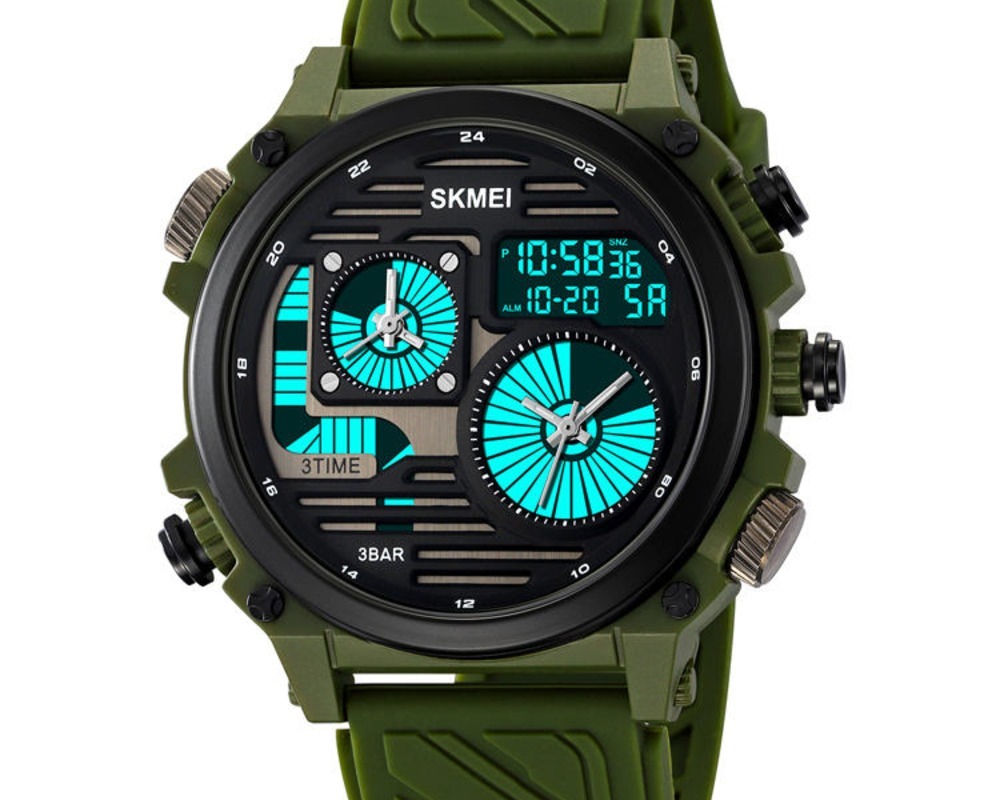
In watches, value hides in three places most shoppers never check: the crystal, the case metal, and the movement. A watch with a sapphire crystal, a 316L stainless steel case, and a reliable movement will outlast and outperform a flashier watch built from mineral glass and soft alloy, often at a fraction of a designer price.
Start with the crystal, because it takes the daily beating. Sapphire crystal is extremely scratch-resistant, second only to diamond in hardness, so it shrugs off the desk-corner and car-key scuffs that fog cheaper mineral glass within months. Next, the case. Look for 316L stainless steel, the corrosion-resistant standard that holds its luster instead of looking tired after a few weeks; it is the grade serious watches use for daily wear and even diving. Then the movement. A quality quartz caliber such as a Miyota keeps accurate time with almost no maintenance, while an automatic gives you the mechanical sweep some buyers love. Neither needs a luxury logo to run well.
Put those together and the value formula becomes obvious. A clean 40mm case, chamfered edges, sapphire crystal, and 316L steel usually beats a busier design built from softer materials, no matter whose name is on the dial. That combination is exactly where a mid-price watch quietly matches pieces costing many times more, and it is the core of smart luxury shopping in the watch aisle.
The Value-vs-Markup Cheat Sheet
Use this table near the register. It maps what you are actually paying for against where the markup tends to hide, across all three categories.
| Category | Where Real Value Lives | Where You Overpay | The Question to Ask |
|---|---|---|---|
| Hair | Raw or Remy, cuticle intact and aligned; lasts 12 to 24 months | Non-Remy hair coated in silicone for temporary shine | "Is the cuticle aligned, and is this raw, Remy, or non-Remy?" |
| Watches | Sapphire crystal, 316L steel, reliable quartz or automatic movement | Mineral glass, plated alloy cases, logo premium | "What is the crystal, the case steel, and the movement?" |
| Jewelry | Solid 14k or 18k gold, hallmarked; lasts a lifetime | Gold-plated base metal that wears off in months | "Is it solid gold, and where is the karat hallmark?" |
| All three | Materials and construction you can verify | Brand image, packaging, boutique theater | "Would I still want this with the logo removed?" |
Where Quality Shows in Jewelry: Karat and Solid vs Plated
In jewelry, the dividing line is solid gold versus plating, and it is the difference between an heirloom and a disappointment. Solid 14k or 18k gold is alloyed all the way through, so it never peels or loses color and can last a lifetime, while gold-plated pieces wear through their thin gold layer in roughly six months to two years.
The karat stamp tells you the recipe. 14k gold is 58.3 percent pure gold blended with metals like copper and silver, which makes it hard-wearing and ideal for everyday rings and chains. 18k gold is 75 percent pure, richer in tone, and slightly softer. Both are solid value because the gold runs through the entire piece. Plated jewelry, by contrast, is a base metal like brass or copper wearing a microscopically thin gold coat. It looks identical in a product photo and costs a fraction upfront, which is exactly the trap. Once the plating rubs off, replating often costs more than the piece is worth, so you effectively rent the look instead of owning it.
This is why solid gold reads as expensive and plated reads as cheap over time, even when the plated piece cost more to buy this year. Solid gold holds real metal value and can be passed down. Plating is a finish with an expiration date. For anything you plan to wear often, the honest math favors buying one solid gold piece over a drawer of plated ones.
Read the Hallmark Like a Pro
Look inside the ring band or on the necklace clasp for a stamp: 10K, 14K, 18K, or the European numbers 375, 585, or 750. A hallmark that is deeply and cleanly engraved signals authenticity, while a stamp that looks printed, shallow, or fading is a red flag. No hallmark at all on a piece sold as gold is reason enough to walk away.
Buy Fewer, Better: The Cost-Per-Wear Math
The fastest way to afford luxury on a budget is to own less of it. Cost per wear divides an item's price by how many times you actually use it, and by that measure a well-made piece almost always wins. A $150 shirt worn 100 times costs $1.50 each wear; a $30 shirt worn five times before it falls apart costs $6.
That logic scales straight into hair, watches, and jewelry. Remy hair that lasts a year beats bargain bundles you replace every season. One sapphire-and-steel watch outlives a rotation of scratched fashion pieces. A single solid gold chain outlasts a decade of plated ones. The resale data backs it up too: the average resold luxury item is worn 88 times, about 76 percent more than the average fast fashion item, and buying preowned luxury can run roughly 33 percent cheaper than buying new fast fashion.
So build a small core of pieces you genuinely reach for. Ask whether you will use something at least 30 times before it enters your cart. Choose slowly, wear often, and resist filling shelves just because the prices feel painless. That restraint is not deprivation; it is how quality-conscious shoppers end up with better things and more money.
How to Spot a Fake Before It Costs You
Counterfeits survive on the same illusion as overpriced brands: they sell the look and skip the substance. Spotting them comes down to weight, markings, and movement. Authentic luxury goods use solid, high-quality metals, so a real watch feels noticeably heavier than a fake built from plated alloy, and genuine jewelry carries a distinct heft.
Check the markings closely. Real precious-metal jewelry is hallmarked for purity, and authentic engravings are smooth and flawless; rough, jagged, or fading marks point to a fake. On watches, every luxury piece carries a unique serial number, usually on the case back or between the lugs, while counterfeits often reuse one number across a whole batch or omit it. Watch the seconds hand too: most quality mechanical movements sweep smoothly, so an audible tick and jerky motion is a warning sign. And use the sapphire trick, a water drop beads up on true sapphire crystal but spreads flat on cheap glass. Finally, buy from reputable sellers who provide documentation, because a certificate and a clear return path protect you more than any single inspection.
Frequently Asked Questions
How can I tell if a watch is worth its price without knowing the brand?
Ignore the name and check three specs. Confirm the crystal is sapphire, which resists scratches far better than mineral glass; verify the case is 316L stainless steel, which holds its shine and resists corrosion; and ask whether the movement is a reliable quartz or automatic caliber. A watch with all three is built to last regardless of logo, and it often outperforms flashier pieces that cost several times more but use softer materials.
Is Remy hair good enough, or do I really need raw hair to get value?
Remy hair is the value sweet spot for most shoppers. It keeps the cuticle intact and aligned, so it stays smooth and tangle-resistant, and it typically lasts 6 to 12 months. Raw hair is unprocessed, lasts up to around 24 months, and costs more. If you want maximum longevity and versatility, choose raw; if you want high quality on a budget, Remy delivers the important structural benefits for less. What you should never buy is non-Remy hair coated in silicone.
Why does gold-plated jewelry cost so much less than solid gold, and does it matter?
It costs less because it is mostly base metal with a microscopically thin gold coat, while solid gold is real gold alloy throughout. It matters if you plan to wear the piece often. Plating wears off in roughly six months to two years and replating can cost more than a new piece, so you keep re-buying the look. Solid 14k or 18k gold never peels, holds real value, and can last a lifetime, which makes it cheaper per year of wear.
How do I shop luxury for less without ending up with fakes?
Buy on materials, not marketing, and verify before you pay. Look for hallmarks stamped cleanly into gold, sapphire crystals that bead water, and watches with unique serial numbers and smooth sweeping hands. Weigh the piece in your hand, since real metal feels substantial and fakes feel light. Then buy from reputable sellers who provide documentation and a clear return policy, which protects your money far better than a bargain price ever will.