

How to Choose a Watch Dial Colour
You buy the watch, you love the watch, and then you catch your reflection on the way to a wedding and realise the bright orange dial you fell for online is fighting your navy suit, your tan shoes, and the gold ring on your other hand. Nothing sits right. The watch that was supposed to finish the outfit is the one thing pulling it apart. A dial colour that clashes with everything is the quietest, most expensive style mistake a person can make, because unlike a tie you can swap in ten seconds, a watch is a commitment you wear for years.
Choosing the right dial colour is less about chasing a trend and more about understanding how a small circle of colour on your wrist talks to your skin, your metals, your wardrobe, and the rooms you walk into. Get it right and one watch quietly earns its place across a hundred outfits. Get it wrong and you own a beautiful object you never actually reach for. Here is how to choose well the first time.
How to Choose a Watch Dial Colour: The Short Answer
Start with versatility, then add personality. For a first or only watch, black, white, silver, or blue will carry you through nearly every occasion because these neutrals pair with any outfit and any metal. Once you have that dependable anchor, statement colours like green or salmon become the fun, expressive additions rather than risky one-offs. Match the dial to your life, not the trend.
The logic is simple. Your first watch has to do the most work, so it should say yes to the widest range of situations. A black or white dial slips under a shirt cuff at a meeting, holds up at a wedding, and still looks right with a T-shirt on Saturday. Colour and character come later, once you know the anchor is covered. Think of it the way you'd build a wardrobe: the well-cut navy blazer before the patterned one.
Why Black Is the Safest, Most Versatile Dial Colour
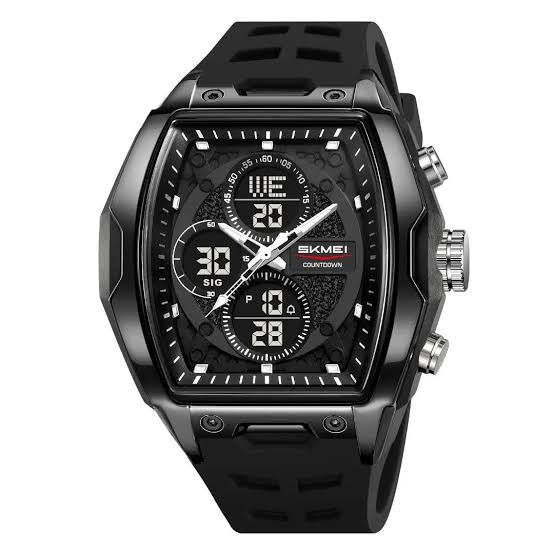
Black wins the versatility contest outright. A black dial offers the highest everyday legibility, matches virtually every outfit, and moves seamlessly between casual and formal settings, which is exactly why it remains the best-selling dial colour by a wide margin. If you buy one watch and want it to disappear into your life without a fuss, black is the answer.
There is real market weight behind that advice. According to industry sales data, black leads dial colours at roughly 41% of sales, comfortably ahead of everything else. The appeal is practical as much as aesthetic. Black creates a sharp, high-contrast backdrop for its hands and markers, so you read the time at a glance, and it pairs beautifully with both silver and gold cases, giving a crisper contrast than grey or white. It also hides minor crystal scratches and the small scuffs of daily wear better than a pale dial. A black dial reads a touch bolder and sportier, so if your taste leans toward tool watches, divers, and everyday-carry pieces, it is the natural home base.
White and Silver Dials: The Dress-Watch Classics
White, silver, and cream dials are the timeless formal choice, prized for a clean, elegant look that never competes with your clothing. Where black leans sporty, a white or silver dial leans refined, which is why it is the traditional face of a proper dress watch and the classic recommendation for the first piece in a serious collection.
White is the most readable and most formal of the pale dials, the one that slips under a dress shirt cuff for the meeting, the wedding, or the anniversary dinner without ever shouting. Silver does something slightly different and, for many people, slightly better: it keeps that crisp, clean brightness of white but adds a metallic sheen that feels more premium and more expensive than it often is. Both are supremely easy to wear because a neutral pale tone complements any outfit. If you want one watch that photographs beautifully with a suit and still looks considered with a knit and chinos, a silver or white dial is a quietly brilliant pick.
Blue Dials: The All-Rounder With Personality
A blue dial is the versatile choice for someone who finds black too plain but isn't ready for a loud colour. Blue is a primary colour that flatters nearly every other shade, so it partners easily with grey, brown, navy, and steel, and it suits a business meeting, a wedding, and a Friday night out with equal ease. It goes with almost everything, like black, but adds a little more character.
Blue has become the strongest challenger to the neutrals, sitting among the top three best-selling dial colours year after year, at around 15% of sales. Its rise isn't a passing fad. The colour reads as trustworthy, stable, and calm, which is a flattering thing to have on your wrist, and it works across an unusually wide range of straps and bracelets: steel, matching blue, grey, and brown leather in calf or alligator all look right against a blue dial. For a second watch, or for a first watch belonging to someone who wants a hint of individuality without any risk, blue is the smartest money in the room.
Green, Salmon, and Statement Dials: When to Take the Leap
Statement dials reward you when you already own a reliable neutral. Green has become the defining colour trend, moving from a secondary accent to a genuine showstopper, and warmer tones like salmon have made a sophisticated comeback as an alternative to plain white or black. These are the watches that start conversations, but they ask a little more of your wardrobe.
Green earned its moment honestly. It has performed strongly on the resale market, especially in limited runs, and collectors increasingly treat a green dial as a mark of distinction rather than a gamble. The palette itself has broadened, from deep forest and British racing green to soft mint and pistachio, so there is a green for almost every taste. Salmon, meanwhile, offers timeless warmth with a modern edge and flatters warm skin tones particularly well. Grey deserves a mention too: it has stayed quietly stable in popularity for years and behaves almost like a neutral, giving you a modern, understated alternative to black or silver. The rule with any statement colour is the same. Own it as a considered choice, ideally alongside a dependable neutral, so you are never stuck when the outfit calls for restraint.
Dial Colour by Skin Tone, Metal, and Wardrobe
Your skin's undertone quietly decides which dials and metals look intentional and which look borrowed. Cool undertones, where the veins at your wrist look blue, are flattered by blue, silver, and black dials. Warm undertones, where veins look greener, come alive next to gold, champagne, and green. Matching the case metal to your skin and your clothing creates instant harmony, so treat the dial and the metal as one decision, not two.
A few reliable pairings make this practical. Silver, steel, and white gold cases sit naturally with cool skin and with grey, blue, and black clothing. Yellow gold, bronze, and champagne finishes suit warmer complexions and earthy, tonal wardrobes. And whatever you choose, prioritise contrast if daily legibility matters to you, because pale markers on a dark dial, or dark markers on a pale one, are simply easier to read at a glance than a low-contrast, tone-on-tone dial.
| Dial colour | Best for | Metal it loves | Wear it when |
|---|---|---|---|
| Black | First or only watch; maximum versatility | Silver or gold, both work | Everyday, office to dinner, sporty looks |
| White / cream | Dress watch; formal wardrobes | Yellow or rose gold, steel | Suits, weddings, formal offices |
| Silver | A premium-feeling all-rounder | Steel, white gold | Business casual to smart occasions |
| Blue | Versatility with a little personality | Steel, rose gold | Almost anything; a stylish second watch |
| Green | Statement piece for the trend-aware | Steel, yellow gold | Casual to smart-casual, warm undertones |
| Salmon / champagne | Warm, distinctive alternative to white | Rose or yellow gold | Warm skin tones, expressive dressing |
| Grey | Modern near-neutral | Steel, gunmetal | Understated everyday, cool undertones |
Your First Watch Versus Building a Collection
Your first watch should be the diplomat; later watches can be the characters. The classic starting pair is a dress watch with a pale dial and a fine leather strap for formal moments, plus a sports or tool watch with a black or very dark dial for everything active and everyday. Cover those two bases and you can dress for nearly any occasion life sends you.
Once that foundation is set, colour becomes freedom rather than risk. This is the point at which a blue all-rounder, a green statement piece, or a warm salmon dial makes complete sense, because you already own the neutrals that handle the serious rooms. Buy in the order that keeps you covered: versatility first, personality second, and never let a single striking colour be the only watch you own.
Frequently Asked Questions
What is the most versatile watch dial colour for one watch?
Black is the most versatile single dial colour. It offers the best everyday legibility, works with both silver and gold cases, and moves effortlessly from casual to formal wear, which is why it remains the best-selling dial colour. White, silver, and blue are close runners-up if you want the same flexibility with a slightly softer or more personable feel.
Is a black or white dial better for a dress watch?
For a formal dress watch, white or silver is the traditional and safest choice because it looks clean, elegant, and never competes with tailored clothing. A black dial can absolutely work formally and reads a little bolder and more modern, but if the watch's main job is to slip under a shirt cuff at weddings and meetings, a pale dial is the classic answer.
Are blue dial watches a passing trend?
No. Blue has settled in as one of the three best-selling dial colours year after year, not a short-lived fad. Its staying power comes from genuine versatility, since blue pairs with grey, brown, navy, and steel across both casual and formal settings, giving you more character than black without sacrificing wearability.
How do I match a watch dial colour to my skin tone?
Look at the veins on your wrist. If they appear blue, you have cool undertones and will be flattered by blue, silver, and black dials with steel or white-gold cases. If they look greener, you have warm undertones suited to gold, champagne, and green dials with yellow-gold or bronze cases. Then match the case metal to your wardrobe's dominant colours for a look that feels deliberate rather than accidental.