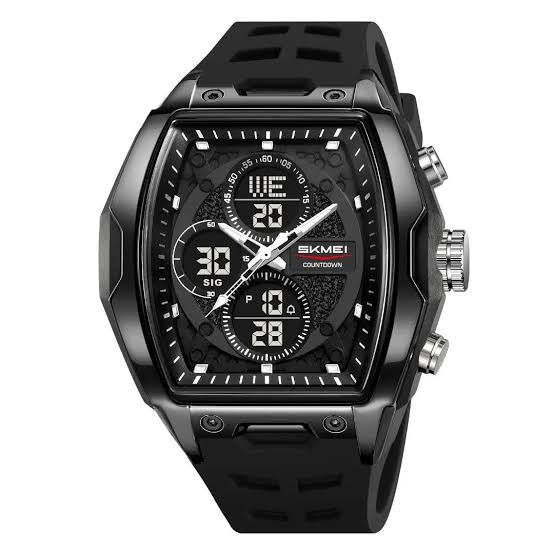


Watch Proportions Explained: Case Diameter, Lug-to-Lug, and How a Watch Should Sit on Your Wrist
Two watches can share the exact same case diameter and still sit on your wrist in completely different ways. One looks planted and balanced. The other slides off the edge of your bone and feels like a saucer. The number stamped on the box, 40mm or 42mm, tells you only part of the story. Real fit is a question of watch proportions, and that means looking past diameter to how the whole case relates to your wrist.
This guide is written for medium and larger wrists and for anyone who wants to understand the mechanics of fit rather than chase a single magic number. If you have a genuinely small wrist, we cover that in a separate small-wrist fit guide, so here we stay focused on the measurements that decide balance for average and broad wrists: case diameter, lug-to-lug length, case thickness, and the dial-to-case ratio.
What Watch Proportions Actually Mean
Watch proportions describe how the parts of a case relate to each other and to your wrist. The four numbers that matter are case diameter (width across the case), lug-to-lug (length from top lug tip to bottom lug tip), case thickness (height), and the dial-to-case ratio (how much of the face is dial versus bezel). Balance across all four beats any single perfect figure.
Think of it the way a tailor thinks about a suit. A jacket is not judged by chest size alone. Shoulder width, sleeve length, and how it drapes all decide whether it looks made for you. A watch works the same way. A well-proportioned piece looks intentional. A poorly proportioned one looks borrowed, even when the diameter is technically correct.
Case diameter is the headline, not the whole story
Case diameter is the width across the case measured in millimetres, and it excludes the crown. It is the figure brands lead with because it is easy to print and easy to compare. If your wrist is used to 40mm watches, another 40mm case will usually feel familiar. That makes diameter a useful starting point.
The trap is treating it as the finish line. A 42mm case with short, tucked lugs can wear smaller and neater than a 40mm case with long, flat lugs. Diameter sets your search range. The other three measurements decide whether the watch belongs on your arm.
Lug-to-Lug: The Real Overhang Test
Lug-to-lug is the straight-line distance from the tip of the top lugs to the tip of the bottom lugs, and it is the single most reliable fit measurement. It tells you how much vertical space the watch occupies along your wrist. If the lug-to-lug is longer than the flat top of your wrist, the lugs hang over the edges and the watch wears too big no matter what the diameter says.
Here is the practical rule collectors trust. Lug-to-lug should stay within roughly 75 to 80 percent of your wrist width, and the lugs should never overhang the sides. Do the quick test in a mirror or a photo. Lay the watch flat on top of your wrist and look straight down. If the lug tips sit inside the edges of your wrist, the proportion is right. If they spill over, put it back, because that watch is fighting your anatomy.
This is why two watches with identical diameters feel so different. Lug shape does the hidden work:
- Long, straight lugs stretch the footprint and make a case wear larger than its diameter suggests.
- Short, downturned lugs hug the wrist, shorten the footprint, and make a case wear smaller and more comfortable.
- Curved lugs wrap around the wrist bone and improve both looks and comfort, especially on flatter or broader wrists.
When you shop online and only the diameter is listed, ask for the lug-to-lug figure before you commit. It is the number that predicts overhang, and overhang is the most common reason a watch that looked perfect in photos disappoints in person.
Case Thickness and How a Watch Sits Under a Cuff
Case thickness is the height of the watch from the caseback to the top of the crystal, and it controls presence and comfort. A thick case stands tall and reads bold. A thin case sits low, feels light, and slides under a shirt cuff without catching. Two watches of the same diameter can feel worlds apart once thickness enters the picture, because a tall case wears far larger than a slim one.
For the dress watches and everyday pieces most Nigerian shoppers reach for, aim for a case that clears a cuff cleanly. As a rough guide, dress watches tend to sit around 6mm to 10mm thick, while sports watches and divers run thicker at roughly 12mm to 15mm because of their extra water resistance and heavier construction. If you spend your days in long sleeves at the office or at events, a slimmer case will always feel more elegant and behave better under a jacket.
There is a proportion rule here too. A healthy diameter-to-thickness ratio of about 3 to 1 keeps a watch looking refined rather than chunky. A 40mm case around 12mm to 13mm thick stays balanced. Push a 40mm case past 15mm and it starts to look like a hockey puck, top-heavy and eager to rotate on the wrist. Thickness is the measurement buyers forget most often, and the one they regret most once the watch arrives.
Dial-to-Case Balance and the Case-to-Wrist Ratio
Dial-to-case balance is about how much of the watch face is open dial versus surrounding bezel, and it changes how big a watch looks without changing its diameter at all. A wide bezel frames a smaller opening and can make a 42mm watch read like a 40mm. A thin bezel opens up the dial and makes the same case look broader and more expansive. This is pure visual proportion, and it is why a diver with a fat bezel can wear more modestly than its spec sheet implies.
Zoom out and the governing idea is the case-to-wrist ratio. The watch should look like it was made for your wrist, neither swallowed by it nor spilling past it. On a broad wrist, a delicate 36mm dress watch with a thin bezel can look undersized and lost. On a medium wrist, a 40mm to 42mm case with a balanced bezel usually lands cleanly. The goal is not one correct number. It is a sensible relationship between the case and the arm it sits on.
A few visual levers to keep in mind:
- Thin bezel, wide dial: the watch looks larger and more modern.
- Wide bezel, smaller dial: the watch looks more contained and often more classic.
- Dial colour and texture: lighter dials tend to appear a touch larger, darker dials a touch smaller.
- Strap or bracelet width: a strap proportional to the lugs keeps the whole package balanced, while a strap too thin makes the case look like it is floating.
Watch Proportions Size Guide by Wrist
Use this as a starting range, then confirm the fit with the lug-to-lug test above. These figures suit medium and larger wrists. Measure your wrist first by wrapping a soft tape or a strip of paper around the point where you wear the watch, just below the wrist bone, then read the length in inches or millimetres.
| Wrist circumference | Comfortable case diameter | Sensible lug-to-lug limit | Best-suited styles |
|---|---|---|---|
| 6.5 to 7 inches (medium) | 38mm to 41mm | Up to about 47mm | Dress, everyday, slim automatics |
| 7 to 7.5 inches (medium-large) | 40mm to 43mm | Up to about 50mm | Everyday, field, chronograph |
| 7.5 to 8 inches (large) | 42mm to 45mm | Up to about 52mm | Divers, pilots, sports |
| 8 inches and above (extra large) | 44mm to 46mm plus | Up to about 54mm | Bold sports, oversized statement |
Notice that the lug-to-lug limit does more work than the diameter column. A 44mm case with a 50mm lug-to-lug can sit beautifully on a 7.5 inch wrist, while a 40mm case with a 52mm lug-to-lug would overhang the same wrist. Always let lug-to-lug break the tie.
Putting the Proportions Together When You Shop
Buying well means reading four numbers as a set, not one in isolation. Start with diameter to set your range, use lug-to-lug to rule out overhang, check thickness so the watch slips under a cuff, and glance at the bezel to judge how large the dial will actually read. When those four agree, the watch looks made for you. When they fight, even a famous model will feel off.
For Nigerian shoppers buying online, the smart move is to gather the full spec before you pay. Diameter is almost always listed. Lug-to-lug and thickness sometimes are not, so ask. A good seller will give you both. At MelexWorld we price watches in naira with no hidden surprises, and we are happy to confirm lug-to-lug and thickness on any piece so you order with confidence rather than hope.
A short shopping checklist:
- Measure your wrist at the point you actually wear a watch.
- Set a diameter range using the table above.
- Confirm lug-to-lug sits within your wrist width with no overhang.
- Check thickness against how you dress, slimmer for cuffs and events.
- Judge the bezel to predict how big the dial will look.
Frequently Asked Questions About Watch Proportions
Is case diameter or lug-to-lug more important for fit?
Lug-to-lug is more important for fit. Diameter sets a general size range, but lug-to-lug decides whether the case overhangs the edges of your wrist. A watch with a large diameter but short, curved lugs can fit better than a smaller watch with long, flat lugs. Always confirm the lug-to-lug figure before you buy.
How do I measure lug-to-lug at home?
Lay the watch flat and measure the straight-line distance from the tip of the top lugs to the tip of the bottom lugs, in millimetres. Then compare it to the flat width of your wrist. If the lug tips would sit within your wrist edges, the fit is right. If they overhang, the watch is too long for your wrist regardless of diameter.
Why does case thickness matter so much?
Thickness controls how a watch sits and how bold it looks. A thin case slides under a shirt cuff and feels light and elegant, while a thick case stands tall and reads as a sports piece. A diameter-to-thickness ratio near 3 to 1 keeps proportions balanced, so a slimmer case is usually the safer choice for dress and everyday wear.
Does a wide bezel change how big a watch looks?
Yes. A wide bezel frames a smaller dial opening and makes the whole watch read smaller, while a thin bezel opens up the dial and makes the case look larger. Two watches with the same diameter can look noticeably different in size because of bezel width, so factor the dial-to-case balance into your choice.