

A Man's Guide to Cufflinks: Types, When to Wear Them and How to Match
Cufflinks are the smallest piece of jewellery a man owns, yet they do a lot of quiet talking. Slide a clean pair through a crisp cuff and the whole outfit reads as considered rather than thrown together. For the Nigerian man moving between a Monday board meeting, a Saturday owambe and a formal wedding, cufflinks are one of the few accessories that work across all three. This cufflinks guide walks you through the types, the right moments to wear them, how to put them on without fumbling, and how to match them with the rest of your look.
What Are Cufflinks and Why They Matter
Cufflinks are small decorative fasteners that hold together the two sides of a shirt cuff in place of sewn-on buttons. They pass through the buttonholes on a French, double or convertible cuff and lock at the back. They combine a practical job with a chance to show personal style.
Think of them as the male equivalent of a signature earring. A watch tells one story on your wrist, and a pair of cufflinks quietly finishes the sentence at the edge of your sleeve. They matter because detail is where sharp dressers separate themselves. Anyone can button a shirt. Choosing to fasten it with a piece of polished metal, enamel or stone signals that you thought about the whole picture.
Cufflinks also carry sentiment well. A gold pair gifted at a wedding, an engraved set for a milestone birthday, or a family crest passed down all live on the cuff. That mix of function, style and meaning is why they have stayed in a gentleman's wardrobe for well over a century.
Types of Cufflinks by Closure and Backing
Cufflinks are grouped by how they lock onto the cuff. The main closure types are bullet-back, whale-back, chain-link, stud or knot, and fixed backing. Each one balances ease of use, durability and formality differently, so knowing them helps you buy with confidence rather than guessing at the counter.
Here is how the common backings compare and where each one earns its place.
- Bullet-back (toggle): The most common modern style. A small cylinder rotates ninety degrees to lock the cufflink in place. It is affordable, easy to use and a safe default for everyday wear.
- Whale-back: Named for the flat tail-shaped bar at the back that resembles a diving whale. You flip the tail flat, push it through the cuff, then flip it back to lock. It slides through easily and holds firmly.
- Chain-link: The most traditional design, with two decorated heads joined by a fine chain. It sits a little looser and shows decoration on both sides of the cuff, which reads as classic and dressy.
- Stud or knot: Silk knots and simple studs give a clean, understated finish. Silk knots are woven cords of silk or elastic, ideal for a relaxed or colourful touch at a lower price.
- Fixed backing: No moving parts at all. Harder to thread through the cuff, but because nothing swivels or hinges, it tends to last almost indefinitely.
Cufflink Closure Types Compared
| Closure type | Ease of use | Durability | Best for |
|---|---|---|---|
| Bullet-back (toggle) | Very easy | Moderate | Daily office wear, first-time buyers |
| Whale-back | Easy | Good | Business and formal all-rounder |
| Chain-link | Moderate | Good | Weddings, black tie, classic looks |
| Stud or silk knot | Moderate | Varies | Tuxedos, relaxed colour, budget picks |
| Fixed backing | Fiddly | Excellent | Heirloom pieces meant to last |
Cufflink Materials and What They Signal
Cufflink materials run from solid metal to enamel, gemstones and silk, and each one sends a different message about the occasion. Metal reads formal and serious, enamel adds controlled colour, gemstones bring quiet luxury, and silk knots keep things light. Matching the material to the event is half the skill.
Here is how the main materials break down.
- Metal: Sterling silver, gold tone, rose gold and stainless steel are the workhorses. They convey the most formality and pair with almost anything, which makes a plain metal pair the smartest first purchase.
- Enamel: A glassy coloured coating over metal, often in patterns or blocks of colour. Enamel lets you introduce your agbada or aso ebi colour in a small, tasteful dose.
- Gemstone and mother-of-pearl: Onyx, mother-of-pearl and semi-precious stones sit as polished inserts. Black onyx is the classic partner for a tuxedo, while mother-of-pearl glows softly under evening light.
- Silk knots: Woven silk or elastic cords in bright colours. They cost little, weigh nothing and are perfect when you want a playful pop without committing to hard jewellery.
A practical rule: the shinier and simpler the metal, the more formal the pair. Save bold colour and novelty shapes for celebrations, and keep the polished metals for business and formal events.
When to Wear Cufflinks: Occasions That Call for Them
Wear cufflinks whenever you want your outfit to look intentional and finished, especially for formal events, weddings and sharp office days. They are essential with French or double cuffs, welcome with a well-cut suit, and a smart way to stand out at any occasion where other men are simply buttoning their sleeves.
Cufflinks belong in these Nigerian moments in particular.
- Weddings and traditional ceremonies: Whether you are the groom, a groomsman or an aso ebi guest, cufflinks lift a suit or a sharp English shirt to match the day.
- Corporate and boardroom days: A subtle metal pair with a business suit signals authority without shouting. Keep these quiet and polished.
- Owambe and evening parties: This is where enamel, colour and a little personality earn their keep. Match a tone from your outfit and let the cufflinks talk.
- Black tie and formal dinners: A tuxedo with French cuffs calls for understated studs, silk knots or onyx. Keep the finish flat and refined.
- Interviews and big pitches: A thoughtful, restrained pair shows attention to detail, which is exactly the impression you want to leave.
The one time to skip them is casual dress. With a T-shirt, a plain barrel-cuff shirt or weekend wear, cufflinks have nothing to fasten and nowhere to belong.
Shop Men's Accessories at MelexWorld
Cufflinks vs Buttons: Which Cuff and Which Shirt
Cufflinks and buttons solve the same problem in different registers: buttons are the everyday default, while cufflinks are the dressier upgrade. The key difference is the shirt. Cufflinks need French, double or convertible cuffs, because a standard barrel cuff with sewn buttons has nowhere to thread a link.
Understanding your cuff type tells you instantly what you can wear.
- Barrel cuff (button cuff): The everyday single-layer cuff with a sewn button. This is your business-casual and daily standard. It does not take cufflinks.
- French or double cuff: A longer, double-layered cuff folded back on itself with buttonholes on both sides and no button. It can only be fastened with cufflinks, and it reads the most formal.
- Convertible cuff: The flexible middle ground. It has an extra buttonhole beside the button, so you can wear it with a button on relaxed days or a cufflink when you want to dress up.
If you are buying your first cufflink-ready shirt, a convertible cuff gives the most value because it covers both looks. For weddings, black tie and full formal wear, a proper French cuff is worth owning.
How to Put On Cufflinks in Three Simple Steps
Putting on cufflinks is easy once you have done it once. Line up the two sides of the cuff so the holes match, thread the cufflink through with its back bar turned flat, then lock the bar so the decorative face sits outward. The whole thing takes about ten seconds per wrist.
Follow these steps.
- Align the cuff: Fold the cuff back if it is a French cuff, then bring the two ends together so the buttonholes line up neatly. The fabric should sit flat, not bunched.
- Turn the toggle and insert: Rotate the back bar so it runs in line with the post, then push the cufflink through both aligned holes with the decorated face pointing outward toward the world.
- Lock it in place: Flip the toggle or whale tail back to its resting position so it sits across the buttonhole and cannot slide out. Check that the face is straight and repeat on the other wrist.
A quick tip for French cuffs: do this before you put on your jacket and watch, so you are not wrestling the cuff past a watch strap.
How to Match Cufflinks With Your Watch, Belt and Outfit
Match cufflinks by tying their metal to the other metals you already wear, chiefly your watch and belt buckle. If your watch is silver-toned, reach for silver or steel cufflinks; if it leans gold, gold cufflinks pull the look together. Keep everything in the same metal family and the outfit feels deliberate.
Use these guidelines to get it right every time.
- Match the metals: Cufflinks, watch case, belt buckle and wedding band should share a tone. Silver with silver, gold with gold. Mixing at random is the fastest way to look mismatched.
- Echo a colour, do not clash: For enamel or stone cufflinks, pick up a colour already in your tie, pocket square or aso ebi rather than fighting it.
- Read the room: Keep cufflinks subtle and polished for business, and let them be expressive and colourful for celebrations. The event sets the volume.
- Balance the statement: If your cufflinks are bold, keep the rest of your jewellery calm. Let one piece lead at a time.
Done well, nobody points at your cufflinks. They simply notice that you look pulled together, which is exactly the goal.
Caring for Cufflinks So They Last
Cufflinks last for years with simple care because most damage comes from moisture, sweat and being tossed loose in a drawer. Wipe them after wear, store them apart from harder items, and keep an eye on toggle and chain mechanisms. A little routine keeps both metal and stone looking new.
Keep them in good shape with these habits.
- Wipe after wear: A soft cloth removes sweat and oils, which matters in Nigeria's heat where humidity speeds up tarnish.
- Store them safely: A small box, pouch or dedicated tray stops scratches. Enamel and stone pieces should not knock against metal ones.
- Check the closure: Bullet-back toggles and chain links take the most strain over time, so glance at the mechanism now and then and retire a pair before it fails on an important day.
- Keep water away: Take cufflinks off before washing your hands or swimming to protect finishes and stones.
Building a Cufflink Collection From Scratch
You do not need many cufflinks to be well dressed, only the right few. Start with one versatile metal pair, add a formal option for black tie, then build outward with colour and personality. Three well-chosen pairs already cover almost every occasion a Nigerian man attends in a year.
A sensible starter set looks like this.
- One classic silver or steel pair: Plain, polished and metal. This is your everyday and business anchor that matches most watches.
- One formal pair: Black onyx, mother-of-pearl or a silk knot for tuxedos, weddings and black-tie nights.
- One expressive pair: Enamel or colour to bring life to owambe and celebration outfits.
From there you can add gold tone, engraved or novelty pieces as your wardrobe and taste grow. Quality over quantity always wins on the cuff.
Frequently Asked Questions About Cufflinks
Can you wear cufflinks with a normal shirt?
Not with a standard barrel-cuff shirt, because those cuffs use a sewn button and have no second buttonhole for a link. You need a French, double or convertible cuff. A convertible cuff is the flexible choice since it accepts either a button or a cufflink.
Which way should the cufflink face?
The decorative front should point outward, away from your body, so people see the design when your arm is at your side. The back bar or toggle sits against the inside of the cuff and does the locking. Line up both wrists so the faces match.
Are cufflinks too formal for the office?
Not at all, as long as you keep them subtle. A plain metal pair with a suit or a sports coat reads as polished and professional rather than flashy. Save bold colour, novelty shapes and gemstones for weddings and evening events instead.
What is the best cufflink type for a first-time buyer?
A bullet-back or whale-back pair in plain silver or steel is the ideal starting point. Both are easy to fasten, affordable and formal enough for work, weddings and most events. Once you are comfortable, branch into chain-link, enamel and stone designs.
Finish Every Outfit at the Cuff
Cufflinks reward the man who pays attention. They fasten a French or convertible cuff, come in closures from bullet-back to chain-link, and carry meaning that a plain button never will. Match the metal to your watch and belt, keep them quiet for business and bold for celebration, and a small pair of links will do outsized work for your image. Start with one versatile pair and build from there.
Featured in our collection
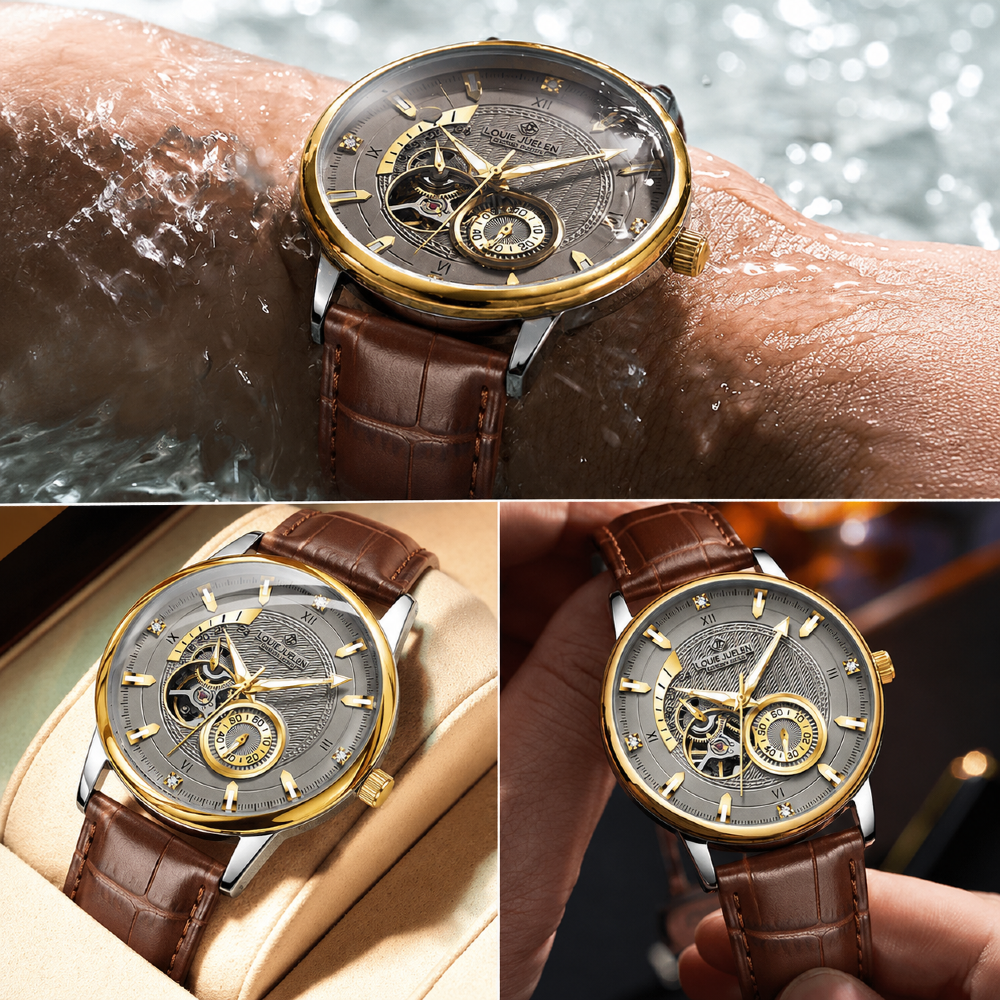
Louis Juelen Luxury Automatic(Tourbillion ) Premium Watch
Automatic Watch Winder
₦85,000
₦150,000
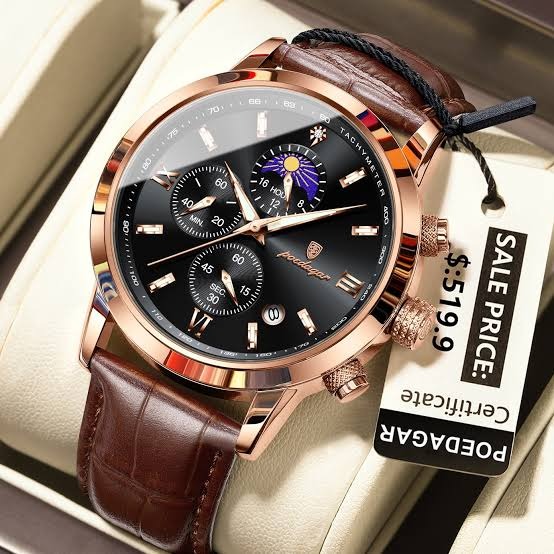
Poedagar Chronograph Luxury Watch
Free 24ml luxury Roll On oil perfume
₦45,000
₦65,000
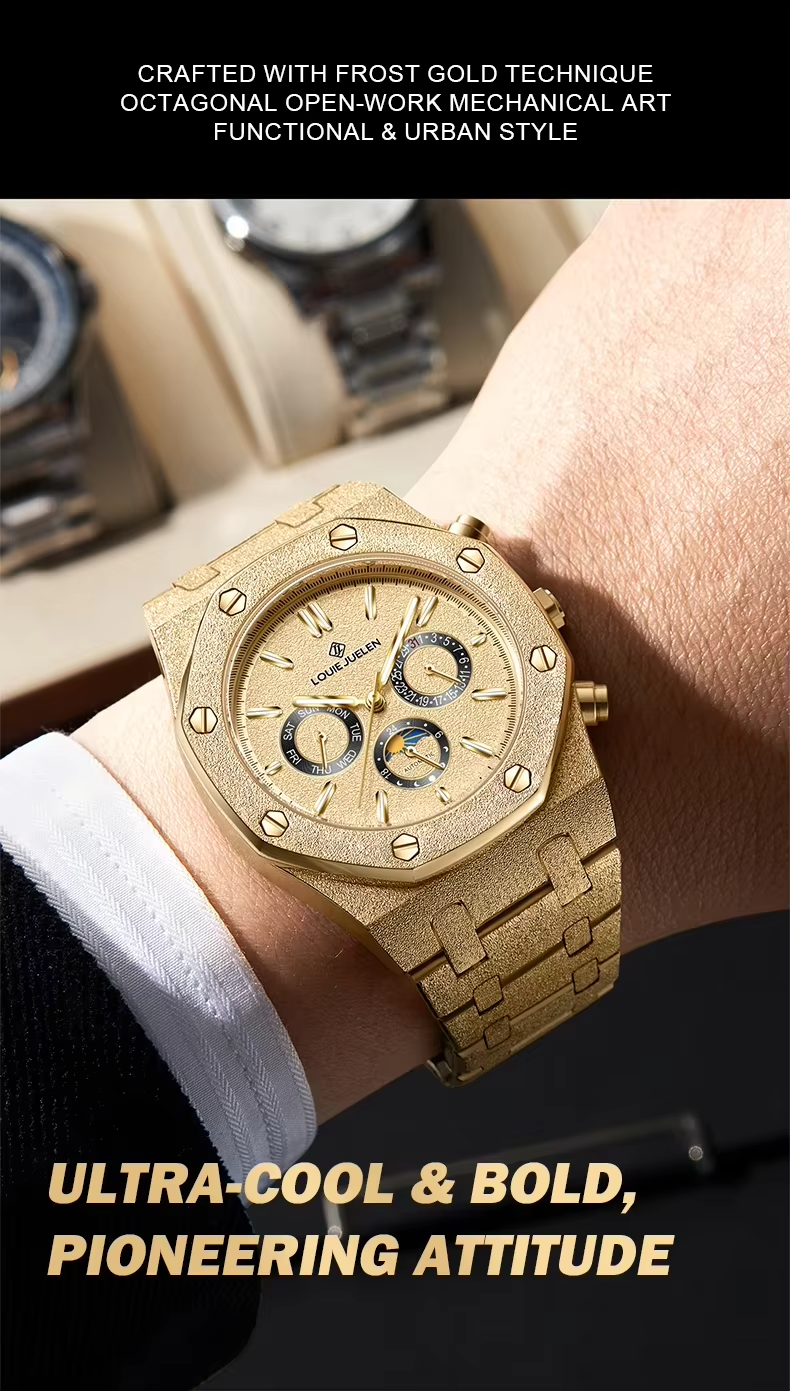
Louis Juelen Automatic Chain Strap
Automatic Watch Winder
₦140,000
₦250,000