

How to Choose a Dress Watch: The Complete Guide to the Perfect Formal Timepiece
You slip on your best suit, adjust the cuffs, reach for your watch, and there it sits: a thick, rubber-strapped sport diver bulging under your sleeve like a hockey puck. The whole silhouette collapses. Formal wear asks for restraint, and a chunky tool watch shouts over everything you are trying to say. A proper dress watch does the opposite. It slides under a cuff, catches the light for a second, and disappears, looking entirely intentional the whole time.
This guide walks you through exactly how to choose a dress watch that flatters your wrist, respects the dress code, and earns its place at every formal moment for decades.
What Is a Dress Watch, Exactly?
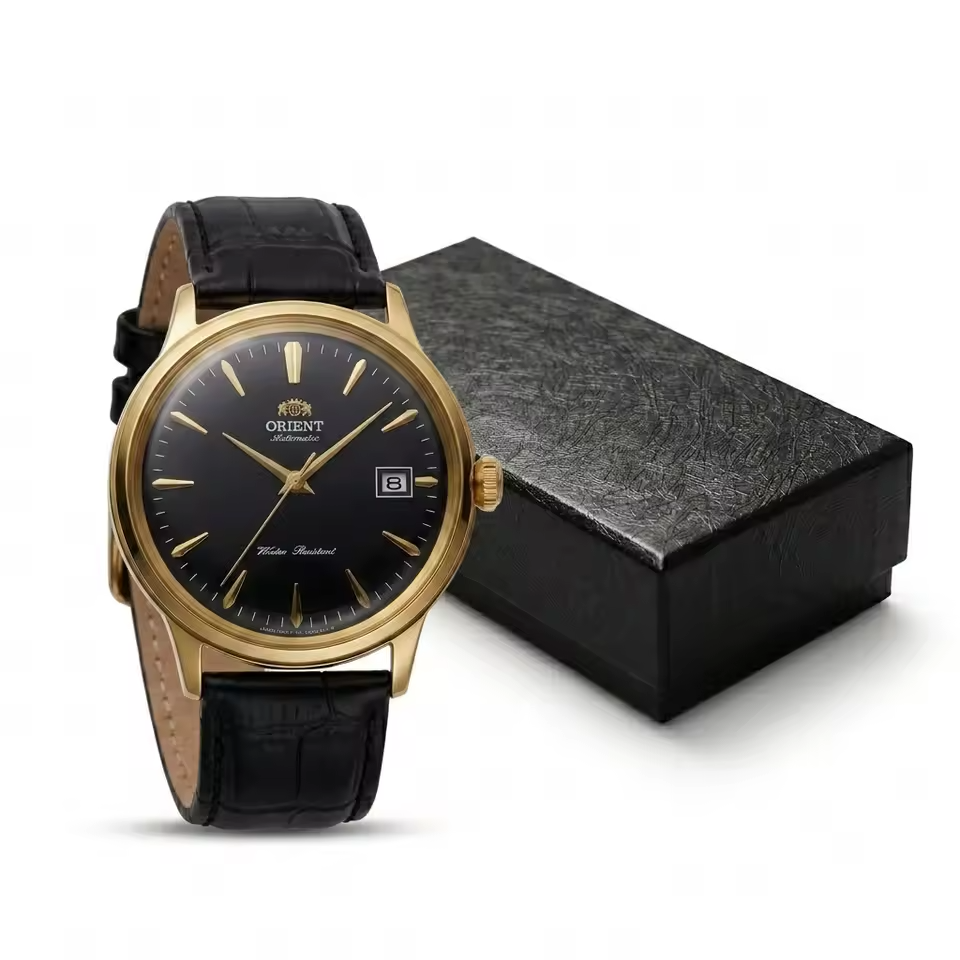
A dress watch is a slim, understated timepiece built to complement formal and business attire rather than compete with it. It favors a thin case, a clean time-only dial, and usually a leather strap, so it fits neatly under a shirt cuff. Its entire job is to tell the time gracefully and then get out of the way.
Everything about the design serves that quiet purpose. Where a sport watch piles on a rotating bezel, luminous markers, and screw-down pushers, a dress watch strips the wrist back to essentials. Think of it as the black-tie equivalent of a crisp white shirt: it is not trying to be the loudest thing in the room, and that is precisely why it works. The restraint reads as confidence.
The style has deep roots. As pocket watches gave way to wristwatches in the early twentieth century, the most formal versions kept the elegant, minimal faces of their ancestors. That DNA survives today in the round, slim, softly polished watches we now call dress pieces.
The Core Traits Every Dress Watch Shares
The best dress watches nearly always share five traits: a slim case, a simple dial, a leather strap, modest sizing, and refined metal in either precious or polished steel. Learn to spot these and you can judge almost any watch's formality in seconds, long before you check the price tag.
Here is what to look for on each front.
A Slim, Cuff-Friendly Case
The single most defining feature of a dress watch is a thin case. Slimness is what lets the watch slide under a shirt cuff and a jacket sleeve without snagging or bunching the fabric. A tall, chunky case fights your tailoring; a slender one cooperates with it.
Watchmakers treat thinness as a genuine craft, engineering movements that shave off millimeter after millimeter. That effort pays off on the wrist as an easy, elegant glide. We will get to exact numbers in a moment, but the principle is simple: for formal wear, thinner almost always wins.
A Clean, Legible Dial
A dress watch is built to do one thing well, which is tell the time, so its dial stays minimal. The purest form is a time-only display with slim hands and simple markers. The most you will usually find beyond that is a discreet date window, and many purists prefer to skip even that.
This is the heart of the minimalist dress watch philosophy. No sub-dials fighting for attention, no busy chapter rings, no tachymeter scale racing around the edge. Clean negative space lets the eye rest. When you glance down mid-conversation, you read the time instantly and return your attention to the room.
A Leather Strap
Leather is the traditional strap of the dress watch, and a leather strap dress watch remains the benchmark for formal wear. High-quality calfskin or alligator in black or brown lends warmth and softness that a metal bracelet rarely matches in a formal setting. The supple band also sits flatter under a cuff.
Black leather is the most formal choice and the safest for black-tie or evening events. Brown leather leans slightly more relaxed and pairs beautifully with business suits and earth-toned tailoring. A polished pin buckle, rather than a bulky deployant clasp, keeps the underside slim.
Refined Materials
Case metal signals formality too. Precious metals such as yellow gold, rose gold, white gold, and platinum sit at the top of the hierarchy, while polished stainless steel offers a versatile, hard-wearing alternative that still reads as dressy. What you want to avoid for formal wear is matte, blasted, or heavily coated finishes, which belong to the sport and tool categories.
A softly polished case that catches candlelight is doing exactly what a dress watch should.
Dress Watch Case Size: Getting the Proportions Right
Traditional dress watches measure roughly 34 to 38mm in diameter, with modern versions stretching to around 40mm for larger wrists. The goal is a case that feels balanced on your wrist and refined under a cuff, never oversized. Proportion, not raw size, is what makes a dress watch look considered.
For decades, 34 to 36mm was the classic dress standard, and those measurements still look genuinely elegant on most wrists today. As tastes shifted toward larger watches, 38 to 40mm became a comfortable middle ground that suits medium and larger wrists while keeping the spirit of the style. Push much past 40mm, though, and you start losing the slim, understated proportions that define the category.
Match the case to your own wrist honestly. A 40mm watch on a slim wrist can overwhelm a shirt cuff, while a 34mm piece may look lost on a broad one. When in doubt, size down rather than up; dress watches have always been happier on the smaller side, and a slightly smaller watch reads as classic rather than timid.
Dress Watch Thickness: The Detail That Makes or Breaks the Cuff
Thickness matters as much as diameter, and for dress watches thinner is better. Aim for a case under 10mm tall, with the most elegant pieces sitting between roughly 6 and 8mm. A slim profile is what lets the watch disappear under a shirt cuff instead of catching on the fabric every time you move.
This is the detail most first-time buyers overlook, and it is the one that separates a true dress watch from a merely dressy-looking one. Two watches can share the same 38mm diameter yet feel worlds apart: one that is 7mm thick vanishes under a cuff, while one that is 13mm thick fights it all evening. If you regularly wear long sleeves for work or events, treat thickness as your first filter.
As a practical ceiling, keep the case at or under about 12mm if you want your sleeves to pass over it easily. Below 8mm, you enter genuinely refined territory where the watch feels almost weightless and slips beneath any cuff without a thought.
Quick Reference: Dress Watch Specifications at a Glance
Use this table as a fast checklist while you shop. It distills the traits above into the numbers and choices that matter most for formal wear.
| Feature | Dress Watch Sweet Spot | Why It Matters |
|---|---|---|
| Case diameter | 34-40mm (classic 34-38mm) | Balanced proportions; fits under a cuff |
| Case thickness | Under 10mm (ideal 6-8mm) | Slides beneath a shirt sleeve without snagging |
| Dial | Time-only, or discreet date | Clean, legible, no visual clutter |
| Strap | Black or brown leather | Traditional, formal, sits flat under a cuff |
| Case metal | Precious metal or polished steel | Refined shine reads as dressy |
| Complications | None to minimal | Keeps the watch quiet and elegant |
Matching Your Dress Watch to Your Outfit
Coordinate your dress watch by matching its strap to your shoes and belt, and its case metal to your other hardware such as your belt buckle and cufflinks. Black leather pairs with black shoes and cooler outfits, brown with brown shoes and earth tones. Keep the tones in the same family and the whole look pulls together.
The classic starting point is to match your belt to your shoes first, then bring the watch into line with both. A black leather strap dress watch belongs with black footwear and gray, navy, or charcoal tailoring. A brown strap sits naturally with tan, beige, and brown ensembles. The strap does not need to match perfectly, but it should live in the same light, medium, or dark tonal range.
Metal follows the same logic. If your cufflinks and buckle are silver-toned, reach for a steel or white-gold case; if they are yellow or rose gold, match the watch to them. Silver and steel cases lean cool and pair with black, gray, and blue, while gold cases warm up browns, tans, and earth tones.
Dress Watches and Formal Dress Codes
For black-tie and formal events, the safest choice is a thin, time-only dress watch on a black leather strap, with a clean dial and no busy complications. A simple two or three-hand watch with a minimal face is considered appropriate by nearly everyone today. The stricter the dress code, the simpler the watch should be.
Traditional etiquette once held that you should not wear a watch to a black-tie affair at all, on the logic that a gentleman at a gala should never appear eager to check the time. Modern convention has relaxed, and a discreet dress watch is now perfectly acceptable, provided it stays understated. What still looks out of place is a sport watch, a busy chronograph, or anything bulky in a formal room.
For business settings, you have a little more latitude. A slim gold or steel watch with a clean dial and limited complications works beautifully with a suit, and a subtle date window is entirely at home during the workday. Save the loudest pieces in your collection for the weekend.
How to Choose a Dress Watch: A Simple Decision Path
Choosing a dress watch comes down to matching it to your wrist and your wardrobe. Start with size, confirm the thickness, pick your strap and metal to suit the outfits you own, then keep the dial as clean as your most formal occasion demands. Follow that order and you rarely go wrong.
Begin with diameter. Measure your wrist or try on a few sizes, and settle on something in the 34 to 40mm range that looks balanced rather than borrowed. Next, check the thickness, keeping it under 10mm so it clears your cuffs; this single number rules out a surprising amount of the market. Then choose your strap and case metal to complement the shoes, belts, and hardware already in your closet, since a watch you can actually coordinate is a watch you will actually wear.
Finally, let your most formal event set the dial. If black-tie is on your calendar, favor a time-only face on black leather. If the watch is mainly for the office, a discreet date is a welcome convenience. Buy the cleanest version you will realistically use, and it will serve you across job interviews, weddings, and every anniversary dinner for years.
Frequently Asked Questions
What is the ideal dress watch case size for a smaller wrist?
For a smaller or slimmer wrist, aim for a dress watch in the 34 to 38mm range, and consider the lower end around 34 to 36mm for the most balanced look. A smaller case keeps classic proportions and sits elegantly without overwhelming the wrist or bunching under a shirt cuff. When you are unsure, sizing down almost always looks more refined than sizing up.
How thin should a dress watch be to fit under a shirt cuff?
A dress watch should ideally measure under 10mm thick to slide easily beneath a shirt cuff, with the most elegant pieces sitting between 6 and 8mm. As a practical upper limit, keep the case at or below roughly 12mm if you regularly wear long sleeves. The thinner the profile, the more the watch disappears under your tailoring instead of catching on it.
Is a leather strap or a metal bracelet better for a dress watch?
A leather strap is the traditional and more formal choice for a dress watch, especially in black or brown calfskin or alligator. Leather sits flatter under a cuff and carries the understated warmth that formal wear calls for. A polished metal bracelet can look dressy in the right setting, but for black-tie and the most formal occasions, black leather remains the benchmark.
Can you wear a minimalist dress watch every day?
Yes. A minimalist dress watch with a clean dial, slim case, and neutral leather strap is one of the most versatile watches you can own. Its restraint lets it move effortlessly from the office to dinner to a wedding, pairing with nearly any outfit in your wardrobe. Choosing a durable, easily coordinated piece means you get formal polish and daily wearability from a single watch.
Choosing a dress watch is less about chasing the biggest name and more about honoring proportion, restraint, and fit. Get the size, thickness, strap, and dial right, and you end up with a timepiece that flatters your wrist, respects every dress code, and quietly elevates your look for a lifetime.