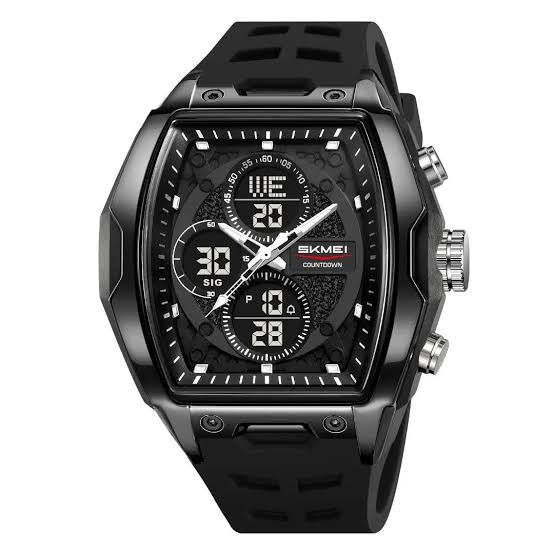


How to Change a Watch Strap: Spring Bars & Quick-Release Made Simple
You reach behind the strap with a sharp metal tool, the spring bar refuses to budge, and then it slips. A thin silver scratch now runs across the polished lug of a watch you saved months for, or the spring bar pings off the desk and vanishes under the sofa. Almost every collector has one of these stories. The good news is that changing a watch strap is genuinely easy once you understand three things: how to measure the lug width, how a spring bar actually releases, and how to protect the case while you work. This guide walks you through all of it, including the quick-release system that lets you swap a band in thirty seconds with no tool at all.
How to Change a Watch Strap: The Short Answer
To change a watch strap, measure your lug width in millimetres, buy a matching band, then use a spring bar tool to compress and remove the spring bars holding the old strap. Seat the new strap by inserting one end of each spring bar into a lug hole, compressing the other, and letting it snap into place. Tape the lugs first to avoid scratches.
That is the whole job in one paragraph. The rest of this guide slows each stage down so you can do it confidently on a watch you care about, whether it is a dress piece, a dive watch, or a luxury sports model with tight tolerances.
What You Need Before You Start
Before you swap a watch band, gather a few inexpensive tools and one piece of information: your lug width. A proper spring bar tool is the only specialised item required. Everything else you likely already own. Rushing in with a kitchen knife or a paperclip is exactly how lugs get scratched and fingernails get bloodied, so take five minutes to set up properly.
Here is the full kit:
- A spring bar tool. This double-ended tool has a forked tip on one end for standard spring bars and a fine pointed tip on the other for bars that sit in drilled lug holes. The fork is the end you will use most.
- Masking or polyimide tape. A short strip masks the lug edges. Watchmakers use polyimide (Kapton) tape because it peels away cleanly with no residue, but ordinary masking tape or electrical tape works fine for a single change.
- A soft cloth or mat. Work over a microfibre cloth or a padded tray so a dropped spring bar does not roll away and the caseback is not scratched from below.
- Your new strap and its spring bars. Most new straps arrive with their own bars, but confirm the diameter suits your lugs.
- Good light and, ideally, a loupe or magnifier. Spring bar notches are small.
How to Measure Your Lug Width Accurately
Lug width is the distance in millimetres between the two lugs where the strap sits, and getting it right is the difference between a strap that clicks into place and one that will not fit at all. Measure the inner gap between the lugs, not the lugs themselves, and always round to a whole millimetre.
There are three reliable ways to find it:
Method 1: Measure With Calipers or a Ruler
Hold the watch face-up in good light. Place a digital caliper or a millimetre ruler across the gap between the lugs, align zero with the inner edge of one lug, and read the mark at the inner edge of the opposite lug. Calipers give you accuracy to roughly 0.1mm; a ruler is fine because straps only come in whole numbers. Common lug widths run from 16mm to 24mm, and 20mm is the single most common size.
Method 2: Measure the Strap You Already Have
If the current strap fits well, measure it instead of the watch. Measure the width of the strap right where it meets the case, or measure the inner gap of the buckle between its two posts. Whatever number you get, in millimetres, is your lug width.
Method 3: Look It Up
Search your watch's brand and model followed by "lug width." Manufacturers and established watch forums list this figure for almost every model ever made, which is the fastest route if you no longer have the original strap.
A quick note on tapered straps: some bands are wider at the lug and narrower at the buckle, written as something like 20/16mm. The first number is the one that must match your lug width.
How to Remove the Old Strap: Standard Spring Bars
To remove a strap held by standard spring bars, slide the forked tip of your spring bar tool between the strap and the case, catch the bar's notch, and compress it inward until one end clears the lug hole. Then angle the strap out and repeat on the second bar. Work one end at a time and keep the bar under control so it does not fly.
Take it step by step:
- Tape the lugs. Press a small strip of tape along the inside faces of both lugs. If the tool slips, it slips into tape rather than into polished metal. This one habit prevents the most common and most heartbreaking damage.
- Find the notch. Look at the spring bar where it meets the lug. You will see a small collar or notch on the sliding tip. That is where the fork grips.
- Slide the fork in. Work the forked end down between the strap and the case, approaching from the inside of the strap rather than the outside. Seat the fork against the notch.
- Compress and release. Push the bar toward the centre of the watch to shorten it. Once one tip clears the lug hole, gently lever that end of the strap up and away. Keep a finger cupped nearby, because a compressed spring bar under tension can pop out with surprising speed.
- Free the other end. With one tip out, the strap wiggles free easily. Repeat the whole process for the second lug.
Set the old spring bars aside. Inspect them: a bent bar or a sluggish spring is worth replacing rather than reusing.
Standard vs Quick-Release: A Side-by-Side Look
The table below shows how the two systems compare so you know what you are working with before you start. Many modern watches and most aftermarket straps now ship with quick-release bars, which change the job entirely.
| Feature | Standard Spring Bar | Quick-Release Strap |
|---|---|---|
| Tool needed | Spring bar tool required | None, fingernail only |
| Time to swap | 2 to 5 minutes | About 30 seconds |
| Scratch risk | Moderate, tool can slip | Very low, no tool near the case |
| How it works | Compress notch with forked tip | Slide a small lever to retract the pin |
| Best for | Vintage and most dress watches | Everyday strap-swappers |
| Lever visible when worn? | No bar lever exists | No, lever hides under the strap |
How Quick-Release Straps Work
A quick-release strap uses a spring bar with a tiny lever built into one end, letting you retract the pin with a fingernail and remove the band in about thirty seconds with no tool and no scratch risk. Look at the underside of the strap near the case and you will see a small sliding tab; that tab is the whole trick.
To remove a quick-release band, slide the lever toward the centre of the strap with a fingernail or a thin flat object. The pin retracts into the bar. Tilt that end of the strap away from the watch, and the freed bar lifts out of the lug hole. The opposite end, no longer under pressure, slides out easily. To fit a new quick-release strap, reverse it: drop the non-lever end into one lug hole, pull the lever, guide the lever end into the other lug, and release. You will feel and hear it seat.
The lever is deliberately engineered to be fingernail-operable yet resistant to accidental release, so it will not let go while you are wearing the watch. It sits hidden between the strap and the case during normal wear. If you swap straps often, converting your favourite watch to quick-release bars is one of the best small upgrades you can make.
How to Fit the New Strap and Seat the Spring Bars
To fit a new strap, thread a spring bar through the strap end, insert one tip into a lug hole, compress the free tip with your tool or fingernail, and let it snap into the opposite hole. Tug the strap gently to confirm both tips are fully seated before you trust the watch on your wrist.
Do it carefully:
- Load the bar. Slide a spring bar through the loop at the end of the new strap so an equal amount protrudes on each side.
- Anchor one side. Insert one tip fully into its lug hole. You want it deep and secure.
- Compress the other. Use the forked tip, or the quick-release lever, to push the free end in. Guide it into the second lug hole.
- Let it snap home. Ease the pressure and let the bar extend into the hole. A faint click is the sound you are listening for.
- Test it. This is the step people skip. Pull the strap firmly away from the case in both directions. If either end shifts or pops, the bar is not seated. Reseat it. A watch that falls off because of a lazy spring bar can be lost or damaged, so never skip the tug test.
Peel off the tape, wipe the case with your cloth, and you are done.
Common Mistakes That Damage a Watch
Most strap-change damage comes from three avoidable errors: working without tape, using the wrong tool, and forcing a mismatched strap. Approaching the spring bar from outside the strap points a slipping tool straight at the case, so always come from the inside. Prying with a knife blade or scissors instead of a proper forked tool concentrates force in exactly the wrong place. And forcing a 22mm strap into 20mm lugs, or a 20mm strap into 22mm lugs, stresses both the strap and the bar. Measure twice, buy once.
Frequently Asked Questions
How do I change a watch strap without a spring bar tool?
You can, but carefully, and only on standard bars. A thin, blunt implement such as the tip of a butter knife or a fine flat-head jeweller's screwdriver can catch the notch, though the risk of slipping and scratching the lug rises sharply. Tape the lugs first. Honestly, a proper spring bar tool costs very little and pays for itself the first time it saves a scratch. If your watch has quick-release straps, you need no tool at all, just a fingernail.
What size spring bar do I need for my watch?
The spring bar length should match your lug width, so a 20mm lug width takes a 20mm spring bar, measured tip to tip when relaxed. Diameter matters too: most watches use bars around 1.78mm to 1.8mm thick, while some dive and tool watches use thicker "fat" bars for extra strength. If a new bar feels loose in the lug holes or will not compress enough to fit, you have the wrong diameter.
Can I put any strap on any watch?
Not quite. The strap's lug width must match your watch, and the strap end style must suit the case, which is why a straight-end strap can leave a small gap on a watch designed for curved or fitted ends. Beyond fit, consider the watch's character: a rugged rubber strap suits a dive watch, while fine leather flatters a dress piece. Match both the millimetres and the mood.
How often should I replace my watch spring bars?
Replace spring bars whenever they feel weak, look bent, or no longer snap crisply into the lug holes, and always inspect them each time you change a strap. On a watch you wear daily, treating spring bars as inexpensive consumables and swapping them every couple of years is cheap insurance against a dropped watch. Quality bars cost a few pounds for a set, far less than a repair to a scratched or dented case.
Changing a strap is one of the simplest ways to transform how a watch looks and feels, taking it from boardroom to weekend in under a minute once you have the technique. Measure carefully, tape the lugs, respect the spring, and you can build a rotation of straps that make one watch feel like several.