

How to Buy a Great Watch on a Budget: Where the Money Goes
You can spend $200 on a watch that outlives you, or $2,000 on one that's mostly logo. The difference isn't luck, and it isn't insider access. It's knowing which parts of a watch actually cost money to make well, and which parts are simply someone else's marketing budget riding on your wrist. Most shoppers overpay for a name or, worse, grab something cheap that dies within a year. Neither has to happen to you.
This guide breaks down where your money genuinely goes when you buy a watch, so you can spend it on the things that last and skip the things that don't.
What Makes a Watch Worth It on a Budget
The best watch on a budget is one that spends your money on engineering and materials rather than advertising. A reliable movement, a sapphire crystal, solid 316L stainless steel, and honest water resistance are what separate a watch you'll wear for a decade from one you'll replace next spring. Those four things cost real money to build. A famous logo does not.
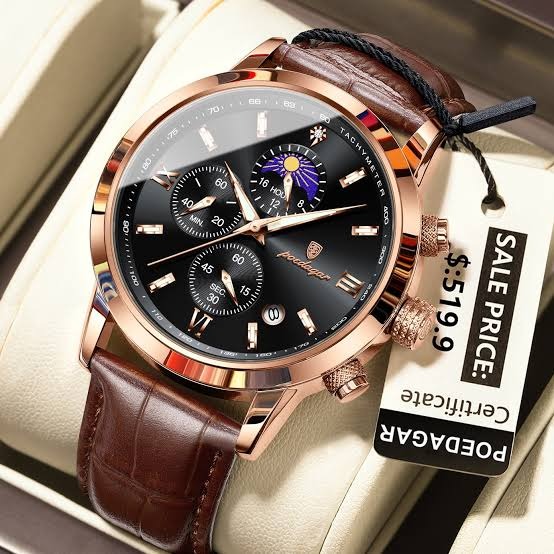
Here's the uncomfortable truth about pricing: by the time a watch reaches a store shelf, it can be marked up four to five times its manufacturing cost. A timepiece that costs roughly $3,000 to produce may retail for $12,000 to $15,000. Much of that gap isn't profit in the traditional sense. It's poured back into advertising, celebrity endorsements, sponsorships, and boutique overhead. You're paying for the campaign that convinced you to want it.
That's not automatically a scam. Prestige is a real thing people happily pay for. But if your goal is quality per dollar, you want to shrink the portion of your money that vanishes into marketing and grow the portion that buys craftsmanship.
Where Watch Money Actually Goes
The movement is the engine, and it's usually one of the single most expensive items in a watch's parts list. Everything else builds around it. Understanding the movement first tells you more about a watch's real value than any advertisement ever will.
The Movement: The Part That Earns Its Keep
Watches run on one of two main engines, and both can represent excellent value depending on what you want. Quartz movements are powered by a battery and a vibrating quartz crystal. They're extraordinarily accurate, typically staying within about 15 seconds a month, and they ask almost nothing of you beyond an occasional battery. Entry-level Japanese quartz movements can add only a few dollars to a watch's cost, which is exactly why they make affordable quality watches possible without cutting corners elsewhere.
Automatic (mechanical) movements are wound by the motion of your wrist. They're the soul of traditional watchmaking, filled with tiny gears and springs, and they can run for generations with servicing. They also drift a little, often a few seconds a day, and they need professional attention every three to five years. A quality automatic caliber costs several times more than a basic quartz unit.
Neither is "better." Quartz wins on accuracy, low maintenance, and price. Automatics win on craftsmanship, longevity, and that quiet mechanical romance. What matters for value is that the movement is a known, serviceable caliber, not a mystery mechanism you can never repair.
The Case and Crystal: Where Durability Lives
After the movement, the case and crystal decide how well your watch survives real life. This is where budget watches are quietly downgraded, and where a sharp buyer gets the most value for the least money.
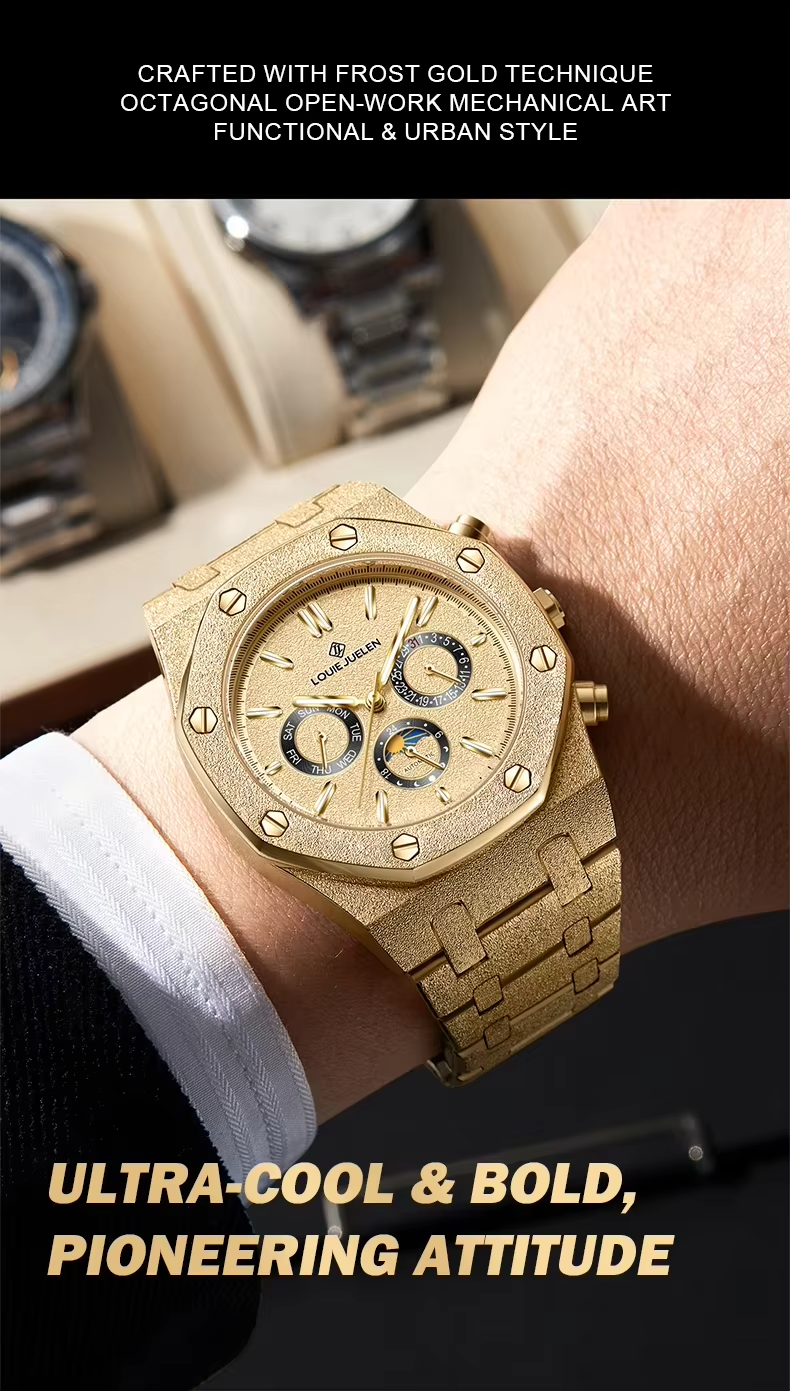
Look for 316L stainless steel. It resists corrosion, takes a high polish, and holds up under daily wear and even diving or hard use. It's the industry workhorse for good reason, and plenty of affordable watches use it. Plated base metals, by contrast, flake and discolor over time.
The crystal matters just as much. Sapphire crystal is the gold standard, synthetic sapphire that sits just below diamond on the hardness scale. It shrugs off scratches from keys, desks, and doorframes, so the watch keeps looking new for years instead of fogging up with hairline scuffs. Many sapphire crystals also carry an anti-reflective coating that cuts glare and makes the dial easier to read. A watch with a mineral or acrylic crystal will scratch far sooner, and that's often the first sign of a corner cut to protect a logo's margin.
Where the Money Goes: A Value Breakdown
Use this table to see which features earn your money and which are mostly markup. When you compare two watches at the same price, the one that spends more of its budget on the left column is the smarter buy.
| Where Your Money Goes | Real Value to You | Worth Paying For? |
|---|---|---|
| Reliable movement (known quartz or serviceable automatic) | Accurate timekeeping, repairable for years | Yes, first priority |
| Sapphire crystal | Scratch resistance, stays clear and legible | Yes, high impact |
| 316L stainless steel case | Corrosion resistance, durability, good looks | Yes |
| Genuine water resistance (rated, not decorative) | Survives rain, washing, swimming | Yes |
| Quality finishing and assembly | Fit, feel, longevity, comfort | Yes, moderate |
| Brand name and logo prestige | Emotional satisfaction, status | Only if you value it |
| Advertising, celebrity endorsements, sponsorships | None to you directly | No |
| Boutique overhead and distribution markup | None to you directly | No |
Water Resistance and Finishing: The Quiet Details
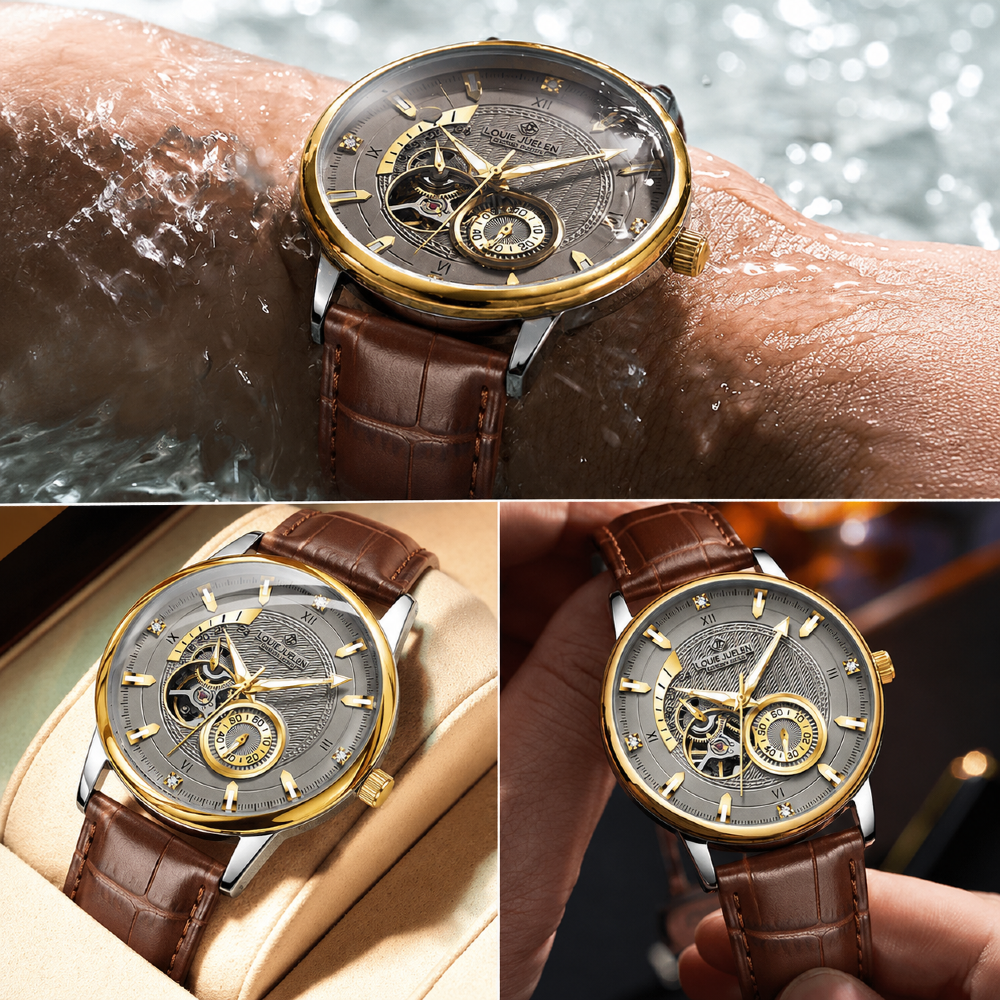
Water resistance should be a real, rated specification, not a vague promise. A properly integrated case seals the crystal and gasket so the watch handles rain, hand-washing, or a swim without trouble. Finishing, the polishing, brushing, and careful assembly, is what makes a watch feel more expensive than it is. These details don't show up in advertising, which is exactly why they're such reliable signals of a brand spending money on the watch rather than on the campaign.
How to Prioritise Specs Over the Logo
The single most valuable habit for buying a great watch on a budget is to read the spec sheet before you read the name. When you compare movement type, crystal material, case metal, and water resistance across a few watches at the same price, the honest values reveal themselves quickly, and the overpriced logos do too.
Ask four questions before you buy:
- What powers it? A named quartz caliber or a serviceable automatic, not an unnamed mystery movement.
- What's the crystal? Sapphire wherever your budget allows.
- What's the case made of? 316L stainless steel over plated base metal.
- Is it actually water resistant? A real rating you can look up, not marketing fluff.
If a watch answers those four well and costs less because you've never seen it on a billboard, you've found value. If it answers them poorly but costs more because everyone knows the name, you're paying for the name.
Should You Buy Used to Get More Watch for Your Money?
Buying pre-owned is one of the smartest moves a value-conscious watch shopper can make. New luxury watches can lose 20 to 40 percent of their value almost the moment they leave the store, which means a lightly worn piece often delivers nearly the same watch for meaningfully less money. Someone else absorbed the depreciation; you get the timepiece.
There's a second advantage. Because a used watch has already taken the bulk of its depreciation hit, it tends to hold its value better going forward. Certain well-kept models from respected makers can even resell close to what you paid years later, meaning you effectively wore a fine watch for very little net cost.
The catch is authenticity. The pre-owned market has counterfeits and "Frankenwatches" built from mismatched parts. Buy from a trusted seller, insist on authentication, and inspect condition carefully. A reputable dealer who stands behind the piece is worth far more than a bargain from a stranger.
The Value-Savvy Buyer's Bottom Line
A great watch on a budget isn't about spending the least. It's about spending deliberately, putting your money into a reliable movement, sapphire crystal, solid steel, and genuine water resistance, and refusing to overpay for advertising you'll never wear. Do that, and you'll wind up with a watch that looks sharp, keeps good time, and lasts long enough to become a favorite. That's the definition of a watch that's worth it.
Frequently Asked Questions
What makes a watch worth it if it isn't an expensive brand?
A watch is worth it when your money buys engineering and materials rather than marketing. Prioritise a reliable, serviceable movement, sapphire crystal, a 316L stainless steel case, and real water resistance. A watch with all four from a lesser-known maker will outperform and outlast a pricier watch that spent its budget on advertising and a famous logo.
Is a quartz or automatic watch better value on a budget?
Both offer strong value; it depends on what you want. Quartz gives you superb accuracy, low maintenance, and a lower price, making it ideal for a dependable everyday watch. Automatics cost more and need periodic servicing, but reward you with traditional craftsmanship and the potential to last for generations. For pure practicality per dollar, quartz usually wins.
How can I tell where my watch money is actually going?
Compare the spec sheet against the price. If two watches cost the same, the one with the better movement, sapphire crystal, and solid steel case is putting more of your money into the product. When a watch costs far more than its specs justify, the difference is usually going to brand markup, advertising, and boutique overhead rather than quality.
Is buying a used watch a good way to save money?
Yes, buying pre-owned is one of the best ways to get more watch for your money. New watches often shed 20 to 40 percent of their value quickly, so a used piece can deliver nearly the same quality for less. Just buy from a trusted, authenticated source to avoid counterfeits and mismatched "Frankenwatches."