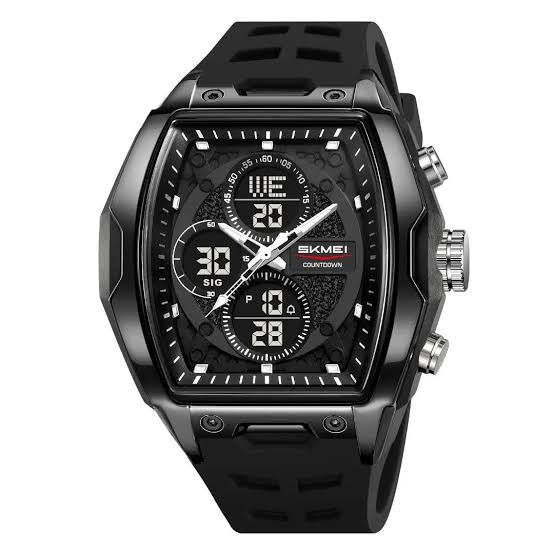


How Tight Should a Watch Fit? The Expert Guide to Proper Watch Fit
You clasp your favorite watch, glance down an hour later, and the dial has drifted to the underside of your wrist. Or worse: you unbuckle at the end of the day and find a red groove pressed into your skin. Both are signs of the same problem. Your watch does not fit the way it should, and getting that fit right is the difference between a timepiece you forget you are wearing and one that annoys you all day.
Fit is where comfort, style, and the long-term health of your watch meet. A well-fitted watch sits proudly, moves with you, and protects both your skin and the case. Get it wrong and even a beautiful piece feels like a chore. Here is exactly how a watch should sit, how to test it, and how to fine-tune the fit as your wrist changes through the day.
How Tight Should a Watch Fit on Your Wrist?
A watch should fit snugly but with slight movement, secure enough that it stays put yet loose enough to shift a few millimeters along your wrist. Aim for roughly 5 to 10 millimeters of travel. The band should never leave lasting marks, cause tingling, or pinch, but it also should not spin freely or slide toward your hand.
That narrow window, secure without restriction, is the target every good fit lands in. Think of it the way a well-tailored cuff sits: close to the body, following your movement, never fighting it. When your watch fits inside that window, you stop noticing it, and that is precisely the point. A luxury timepiece should feel like part of you, not a clamp you tolerate.
The reason the range matters so much is that your wrist is not a fixed measurement. It changes size through the day and across seasons, which is why "as tight as possible" is the wrong instinct. You want a fit with a little breathing room built in.
The One-Finger Rule: The Simplest Fit Test You Can Do
The one-finger rule is the fastest way to check watch fit: slide one finger between the strap and your wrist. If it passes through with slight resistance, the fit is right. If no finger fits at all, the watch is too tight. If your finger slides in loosely and wiggles side to side, or a second finger fits easily, it is too loose.
Most people use the index finger or the pinky, tucked between the buckle or clasp and the top of the wrist. The key detail is resistance. Your finger should go in, but it should not be able to swim around once it is there. That small amount of friction tells you the band is holding the watch in place without compressing your wrist.
This test works the same for a metal bracelet and a leather strap. It is quick, it needs no tools, and it travels with you, which makes it the single most useful habit to build when you are dialing in a new watch or checking an old favorite that has started to feel off.
One practical note on straps with holes: you will sometimes land between two holes, one slightly too tight and the next slightly too loose. When that happens, choose the looser setting during warm weather or active days and the tighter one when you are cool and still. We will come back to why that timing matters.
Where to Wear a Watch on Your Wrist
A watch should sit just above the wrist bone, the bony bump on the pinky side known as the ulnar styloid. Position the case roughly one to two centimeters above that bump, on the flatter part of your forearm. This keeps the watch level, stops it from sliding into your hand, and lets your wrist bend freely.
That bone does real work. It acts almost like a natural stopper, holding the watch in place so it does not creep down over your wrist joint. Wearing the watch too low, right where the wrist meets the hand, drops it into the joint where it gets in the way every time you flex, and where twisting forces work against the case and bracelet.
There is room for personal preference here. People with slimmer wrists often like the watch a touch closer to the bone, while larger wrists may sit it slightly higher for comfort. What stays constant is the principle: above the styloid, on the flat, where the watch can rest without wrestling your movement.
Placement and tightness work together. A watch positioned correctly needs less tension to stay put, because the anatomy is helping you. A watch shoved too low or worn loose has to be cranked tighter to compensate, and that is when the marks and the numbness start.
Watch Too Loose or Tight? How to Read the Warning Signs
Your wrist gives clear feedback about fit, and learning to read it takes the guesswork out. A watch that is too tight leaves deep indentations, causes tingling, numbness, soreness, or bulging skin, and feels restrictive. A watch that is too loose slides more than an inch, spins to the underside of your wrist, and bounces when you move.
Neither extreme is only a comfort issue. A band cinched too tight presses on the surface of your wrist all day, and skin that stays marked for hours after you take the watch off is telling you the fit has crossed a line. A watch that swings and rotates, on the other hand, bangs into desks and doorframes, scratches its case and clasp, and throws off the balance that makes a watch feel considered on the wrist.
Here is a quick way to diagnose your current fit at a glance.
| Fit Check | Too Tight | Just Right | Too Loose |
|---|---|---|---|
| One-finger test | No finger fits under the band | One finger slides in with slight resistance | Finger slides in loosely and wiggles, or two fit |
| Movement | Watch cannot shift at all | Slides about 5 to 10 mm | Slides more than an inch; spins around |
| Skin after wearing | Deep grooves, redness lasting hours | No lasting marks | No marks, but watch drifts to underside |
| Sensation | Tingling, numbness, throbbing | Comfortable, barely noticeable | Constant awareness of it flopping |
| Watch position | Trapped, digging in | Rests just above wrist bone | Slides toward the hand |
If your watch lands in either outer column, it is worth adjusting before your next wear. The middle column is the comfortable watch fit you are aiming for, and most bands can get there with a small change.
Why the Right Fit Protects More Than Comfort
Proper watch fit protects your circulation, your skin, and the watch itself. A band worn too tight can restrict blood flow and irritate the skin over long hours, while a loose watch takes repeated knocks that scuff the case, loosen the clasp, and wear the bracelet over time. The correct fit keeps you comfortable and keeps a valuable piece looking its best.
Comfort and preservation are not separate goals. The same snug-but-moving fit that spares your wrist also stops the watch from swinging into hard surfaces. On a fine timepiece, those small daily impacts add up, showing on the case edges, the crown, and the clasp, exactly the places a collector notices. Treating fit as part of caring for the watch, not just a matter of feel, changes how long it stays pristine.
There is a security dimension too. A watch that slides freely is a watch more likely to catch, snag, or slip off entirely. Dialing the fit into that secure middle range quietly lowers the odds of a drop, which matters more the more you have invested in the piece.
Your Wrist Changes Size: Fitting for Heat, Cold, and Activity
Your wrist is not the same size all day, so the perfect fit is a moving target. Wrists swell in heat, during exercise, and toward evening, and shrink when you are cool and still. This is completely normal, and it is the single biggest reason a watch that felt perfect in the morning can feel tight by afternoon.
Temperature and exertion are the main drivers. A hot day or a hard workout sends more blood to the surface and your wrist expands, so a metal bracelet that sat comfortably at breakfast can feel like it is strangling by mid-afternoon. Cold has the opposite effect, which is why a winter fit and a summer fit are genuinely different settings, not fussiness.
The seasoned approach is simple: one notch looser for summer and warm, active days, one notch tighter for winter and cool, still ones. If you buckle a leather strap somewhere in the middle of the day, lean slightly loose rather than slightly tight, because you are more likely to swell than shrink as the hours pass. Building this small habit means your watch stays in the comfortable range no matter what the thermometer or your schedule is doing.
Micro-Adjustment: The Feature That Makes Fit Effortless
A micro-adjustment clasp lets you fine-tune a bracelet by a few millimeters without tools, which is the cleanest way to handle a wrist that changes size. Built into many quality clasps, it lets you loosen the fit on a hot afternoon or tighten it on a cool evening in seconds, so your watch stays in the ideal range all day.
This is where metal bracelets have quietly improved. Older designs, and some butterfly clasps, look elegant but lock you into a single length, forcing a choice between a fit that is right in the morning and one that is right by night. A tool-less micro-adjust system solves that by giving you a few millimeters of play on demand, which is exactly the amount a swelling wrist needs.
When you are choosing a watch you plan to wear daily, the clasp deserves as much attention as the dial. A bracelet you can nudge looser or tighter on the fly is one you will actually wear comfortably in July and January alike. It is a small mechanism that makes a large difference to how a watch lives on your wrist.
Getting Your Own Watch to Fit Perfectly
Start with sizing, then refine. For a metal bracelet, a jeweler removes or adds links to get you into the right range, and the clasp micro-adjustment handles the daily fine-tuning from there. For a leather or rubber strap, the buckle holes do the work, and you simply choose the hole that passes the one-finger test on a normal day.
If you are between two holes on a strap, remember the timing rule: pick the looser one, since your wrist trends larger as the day goes on. If a bracelet feels right in the morning but tight by evening even after link sizing, that is a sign you want a clasp with micro-adjust, or that you should size to the slightly looser link. Fit is worth getting a professional involved for on a piece that matters; a jeweler can size links cleanly and check that the clasp sits balanced on the underside of your wrist.
Above all, trust what your wrist tells you. No marks that linger, a watch that stays above the bone, a single finger that slides in with a little resistance, that is the honest test, and it beats any single measurement.
Frequently Asked Questions
How much should a watch move on my wrist when it fits correctly?
A correctly fitted watch should slide about 5 to 10 millimeters along your wrist, enough to shift slightly when you move your arm but not enough to spin around or slide toward your hand. If it travels more than an inch or rotates to the underside, it is too loose. If it cannot move at all and leaves marks, it is too tight.
Should I wear my watch above or below the wrist bone?
Wear your watch just above the wrist bone, roughly one to two centimeters above the ulnar styloid, on the flat part of your forearm. This keeps the watch level, uses the bone as a natural stopper so it does not slide into your hand, and leaves your wrist free to bend. Wearing it below the bone crowds the joint and gets in the way of movement.
Why does my watch feel tight in the afternoon but fine in the morning?
Your wrist naturally swells through the day and in warm weather or after exercise, so a fit that is perfect at breakfast can feel tight by afternoon. This is normal. Choose a slightly looser setting on hot or active days, and consider a bracelet with a micro-adjustment clasp so you can loosen the fit a few millimeters whenever your wrist expands.
Is it bad to wear a watch too tight?
Yes. A watch worn too tight can press on your wrist all day, causing tingling, numbness, soreness, and deep skin indentations that linger for hours, and over time it is simply uncomfortable to wear. Loosen the band until you can slide one finger underneath with slight resistance, which relieves the pressure while keeping the watch secure.