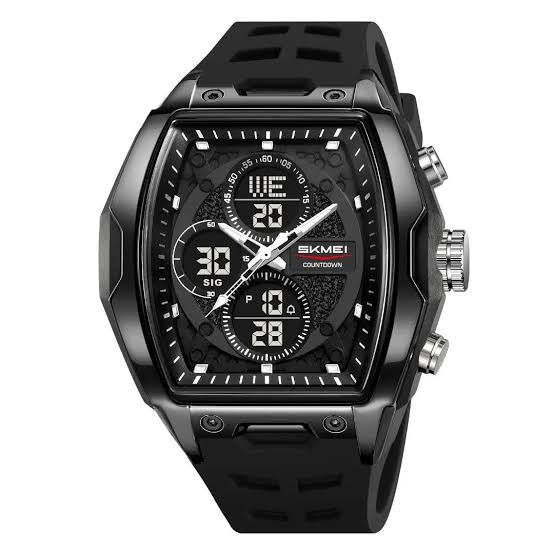


How Heat and Humidity Affect Your Watch: Tropical Care
You reach for your watch on a sticky August morning, and the crystal is veiled in a fine mist from the inside. A few weeks later you notice the leather strap has stiffened, darkened at the edges, and carries a faint sour smell. The buckle shows a dusting of green. If you live somewhere hot and humid, none of this is bad luck. It is physics, chemistry, and salt working quietly against a beautifully engineered object on your wrist. The good news: nearly all of it is preventable once you understand what heat and moisture actually do.
This guide walks you through proper watch care in a humid climate, from the science of a foggy crystal to the daily habits that keep straps, seals, and movements healthy in the tropics.
Why Watch Care in a Humid Climate Demands Special Attention
Hot, humid air is the single most persistent threat to a watch worn in the tropics because moisture attacks from three directions at once: it condenses inside the case, it corrodes metal and leather from the outside, and it slowly degrades the very seals meant to keep water out. Heat compounds every one of these effects.
A watch is not a sealed vault. It is a precision instrument held watertight by a set of small rubber and silicone gaskets at the crystal, caseback, bezel, crown, and pushers. Those seals are consumable parts. In a warm, wet environment they age faster, which means the protection you paid for erodes silently over months and years. Understanding the specific ways heat and humidity work lets you stay ahead of the damage instead of reacting to it.
Humidity and Condensation: The Foggy Crystal Explained
Condensation forms inside a watch when warm, humid air trapped in the case cools down and the moisture in that air turns to fine droplets on the underside of the crystal. The glass cools faster than the metal around it, so vapor settles there first, exactly the way a cold drink sweats on a warm day.
That trapped humid air usually gets inside for one of a few reasons:
- Worn or damaged gaskets that have hardened, cracked, or lost their elasticity over time
- Rapid temperature swings, such as stepping from a fiercely air-conditioned room into thick outdoor heat
- Prolonged exposure to humid climates, which accelerates seal degradation year-round
- Improper servicing, where a case was not resealed correctly after a battery change or repair
Why Fogging Is a Warning, Not a Nuisance
A little fog might clear on its own, but treat it as a red flag. That same moisture can cause oxidation of metal components inside the movement and the degradation of polymer parts. Persistent or heavy condensation means the case is no longer sealed and needs professional attention before rust sets in. Never ignore droplets that linger for hours or reappear.
Shop Water-Resistant Watches →
Heat and Automatic Watches: What High Temperatures Do to a Movement
Heat harms a mechanical or automatic watch by attacking its lubricants and disturbing the delicate metal parts that keep time. Extreme temperatures can thin, thicken, or evaporate the oils inside the movement, and they cause metal components to expand and contract in ways that change how the watch runs.
Inside every automatic watch sit tiny amounts of specialized lubricant at each friction point. Under sustained thermal stress those standard lubricants can thicken into a sludge or evaporate, leaving precision components to grind against one another. Once the oils fail, wear accelerates and accuracy suffers.
Heat also affects timekeeping directly:
- Thermal expansion causes balance-wheel components to grow slightly in diameter, slowing the oscillation frequency so the watch runs slow
- Rapid temperature shifts alter hairspring tension, disrupting the rhythm that governs accuracy
- Prolonged direct sunlight and hot enclosed spaces, like a parked car or a spot near a heating vent, subject the movement to exactly the conditions it tolerates worst
The fix is refreshingly simple. Store your watch at room temperature, keep it out of hot cars and direct sun, and stay on top of servicing. Room-temperature storage delivers the most consistent results for an automatic watch.
Sweat and Watch Straps: The Corrosion You Cannot See
Sweat is quietly one of the most corrosive things your watch meets, because it carries salt, oils, and minerals that eat at both metal and leather. In tropical heat you perspire more, that moisture sits against the case and strap for hours, and the slow chemistry of corrosion goes to work.
What Sweat Does to Metal
When the brass or copper often found in spring bars and buckles reacts with the acids in sweat, it produces verdigris, that telltale green corrosion. Worse, moisture trapped in a strap sits directly against the metal lugs of the case. Over time that constant dampness can compromise the gaskets near the crown, opening the door to the very moisture intrusion you are trying to prevent.
What Sweat and Humidity Do to Leather
Leather absorbs moisture readily, and that is its weakness in the tropics:
- Soaking in sweat or living in humid air makes a strap deform and harden, and eventually crack or break
- When sweat evaporates it leaves salt deposits that dry the leather out, producing surface cracks and a prematurely aged look
- Persistent dampness breeds mold, mildew, and sour odors
- Salts and oils drive discoloration and general deterioration
In genuinely wet, sweaty conditions, a metal bracelet or a rubber or synthetic strap will always outlast leather. Save your finest leather straps for cooler, drier days and rotate to something more forgiving when the heat peaks.
Water Resistance Has Real Limits in Hot Climates
A water-resistance rating is a static laboratory measurement, not a promise for daily tropical life, and heat makes those ratings even more conservative. The depth number tells you how the watch performed pressed against still water in a controlled test, not how it behaves against warm water, steam, and motion.
Here is what the common ratings actually allow:
- 30m: Sealed against incidental contact only, such as rain, hand washing, and the occasional splash. Not for swimming or intentional submersion.
- 50m: Handles swimming and cold showers. Hot water is a different matter, because heat lets the metal expand and can let water slip past the seals.
- 100m: Suitable for swimming and snorkeling, but not for diving.
Two rules matter more than any number. First, movement multiplies pressure: a splash, a swim stroke, or even turning your wrist underwater can create dynamic pressure several times higher than the static rating suggests. Second, heat and steam defeat seals. Skip hot showers, hot tubs, and saunas entirely, because steam molecules slip past gaskets that would hold back liquid water. And never, ever operate the crown or pushers while the watch is wet, which bypasses every bit of water resistance regardless of rating.
Tropical Watch Maintenance: Do's and Don'ts
Small daily habits protect your watch far more than any single rating. Use this quick reference to build a routine that stands up to heat and humidity.
| Do | Don't |
|---|---|
| Wipe the case, crystal, and strap dry after sweating or getting wet | Leave sweat or moisture sitting on the watch overnight |
| Store the watch with silica gel packs to keep the environment dry | Store it in a sealed, damp drawer or a hot car |
| Let the crown fully seat (and screw down, if applicable) before exposure to water | Pull or operate the crown or pushers while the watch is wet |
| Rotate to metal, rubber, or synthetic straps in peak heat and humidity | Wear fine leather straps through heavy sweat or downpours |
| Keep the watch at room temperature, away from direct sun and vents | Expose it to hot showers, saunas, steam, or rapid temperature swings |
| Have seals inspected and water resistance tested periodically | Assume the factory rating lasts forever without servicing |
Storage and Drying: Keeping Moisture at Bay
The most reliable way to protect a watch between wears in a humid climate is to control the air around it and dry it promptly whenever it gets wet. Desiccants and a simple wipe-down do most of the heavy lifting.
For everyday storage, tuck a few silica gel packets into your watch box or case. Silica gel is a desiccant that pulls moisture out of the surrounding air, and dedicated watch boxes with built-in dehumidification aim to hold humidity around 45 to 55 percent, dry enough to protect seals and lubricants without over-drying them.
If you spot light condensation, act quickly. Sealing the watch in an airtight container with several fresh silica gel packets for at least 48 hours can draw the moisture back out. Commercial desiccants absorb far more than the old rice trick ever will. That said, if fog is heavy, keeps returning, or you suspect water has actually breached the case, take it to a watchmaker rather than gambling on a home fix.
Servicing: The Long Game for Seals and Lubricants
Periodic professional servicing is what keeps a watch reliably sealed and accurate over decades, especially in the tropics where seals age faster. Rubber and silicone gaskets wear out, and only inspection and replacement restore the original protection.
During a service, a watchmaker inspects the seals, gaskets, and movement, cleans and re-lubricates the necessary components, and pressure-tests the watch for water resistance. Because humidity accelerates seal degradation, periodic water-resistance testing is worth the modest cost: it verifies real-world protection against the manufacturer's rating and catches a failing seal before moisture ever gets in. For an automatic watch, regular servicing also refreshes the lubricants before heat-thickened oils start wearing the movement.
Think of it as insurance. A test and a fresh set of gaskets cost a fraction of repairing a rust-damaged movement.
Shop Water-Resistant Watches →
Frequently Asked Questions
Why does my watch fog up when I move between air conditioning and the outdoor heat?
Rapid temperature changes are a classic trigger. When you leave a cold, air-conditioned room and step into humid heat, the crystal and case cool differently and any humid air trapped inside condenses on the underside of the glass. Occasional light fog that clears quickly can be normal, but persistent or heavy fogging signals a worn seal letting outside air and moisture in, which calls for a professional check.
Can I wear my automatic watch in very hot weather every day?
Yes, within reason. Normal outdoor heat is fine, but you want to avoid extremes and sustained thermal stress. Keep the watch off surfaces like a sun-baked dashboard, out of direct midday sun for long stretches, and away from heat sources. Store it at room temperature. The real danger to an automatic movement is prolonged heat that thickens or evaporates its lubricants, so consistent moderate conditions and timely servicing matter most.
How do I stop sweat from ruining my watch strap in a tropical climate?
Wipe the strap and case dry whenever you finish sweating, and never let dampness sit overnight. In peak heat, favor metal bracelets or rubber and synthetic straps, which shrug off moisture that would harden, crack, and mold leather. If you love a leather strap, reserve it for drier, cooler days and let it fully air out between wears. Watch buckles and spring bars for green verdigris, a sign salt and acid are corroding the metal.
Is a higher water-resistance rating enough to protect my watch in humid weather?
A higher rating helps, but it does not make a watch immune to humidity. Ratings are static lab measurements, and heat, steam, motion, and aging seals all erode real-world protection. Avoid hot showers, saunas, and operating the crown while wet regardless of the number on the dial. The most dependable protection comes from drying the watch, storing it with desiccant, and having the seals tested periodically.
Heat and humidity never stop working on a watch, but neither do the simple habits that hold them off. Dry the case after every sweaty day, store your timepiece with silica gel, respect the true limits of its water resistance, and let a watchmaker refresh the seals on schedule. Do that, and your watch will keep its crystal clear and its timing honest through many tropical seasons.