

The Engagement Ring Buying Guide: The 4 Cs and Setting a Budget
Buying an engagement ring is one of the most emotional purchases you will ever make, and also one of the most confusing. Between the jargon, the pressure and the price tags, plenty of Nigerian shoppers walk into the process feeling like they need a degree in gemology just to say yes to a ring. You do not. This engagement ring buying guide breaks the whole thing into calm, practical steps so you can shop with confidence, spend wisely in naira and choose a ring she will actually love wearing.
What is the engagement ring buying process from start to finish?
The engagement ring buying process has four core stages: learn the 4 Cs so you can judge stone quality, decide between a natural diamond, a lab-grown diamond or moissanite, pick a setting style that suits her hand and taste, then set a budget you can comfortably afford. Get those right and the rest is detail.
Most people rush straight to price, but price is the last thing you should lock in, not the first. When you understand what actually drives sparkle and quality, you stop overpaying for numbers that no one can see with the naked eye. You also stop underpaying in ways that leave you with a dull, lifeless stone. Knowledge is the real budget hack here.
Before you spend a single naira, quietly gather three pieces of information: her ring size, her metal preference (yellow gold, white gold or rose gold) and her general style (does she like simple and classic, or bold and sparkly?). Borrow a ring she already wears on the correct finger, or ask her closest friend. These details save you from expensive resizing and awkward returns later.
What are the 4 Cs of diamond quality and which matters most?
The 4 Cs are cut, colour, clarity and carat. They are the four factors gemologists use to grade a diamond. Cut controls how the stone reflects light, colour measures how white or tinted it is, clarity records tiny internal marks, and carat is the weight. Of the four, cut matters most because it drives the sparkle.
Here is what each one means in plain language, and where your money is well spent.
Cut: the C that creates the sparkle
Cut is not the shape of the diamond (round, oval, princess). It is how well the stone has been faceted and proportioned so light bounces back to your eye. A beautifully cut diamond looks brighter and often appears larger than a poorly cut one of the same weight. A brilliant cut also hides small colour tints and clarity marks because the flashes of light distract the eye. If you prioritise one C, make it this one. Aim for Excellent or Very Good cut grades.
Colour: how white the diamond looks
Colour is graded from D (completely colourless) down through the alphabet as faint yellow or brown tints creep in. The trick is that most people cannot tell the difference between a very expensive D and a much cheaper G or H once the stone is set. For excellent value, look in the G to J range, which looks white to the naked eye but costs far less than the top grades.
Clarity: the tiny internal marks
Clarity measures inclusions, the natural birthmarks inside a diamond. Grades run from Flawless down to Included. Again, you are paying for what you can see, and most inclusions are invisible without magnification. A stone graded VS1 to SI1 is usually "eye-clean," meaning no flaws show without a loupe, so you get the clean look without the flawless price.
Carat: the weight, not the size
Carat is weight, not diameter, so a heavier stone is not automatically a bigger-looking one. Prices also jump at the round numbers such as 1.00 carat, so a 0.90 carat stone can look almost identical while costing noticeably less. Buy just under a benchmark weight and put the savings into a better cut. That is how you make a ring look expensive without spending like it.
Moissanite vs diamond: which stone gives the best value?
Moissanite and lab-grown diamonds both look strikingly similar to a mined diamond, yet cost far less. A natural 1-carat diamond might cost several times what a lab-grown diamond of the same look costs, and moissanite is cheaper still. For couples watching a naira budget, these alternatives free up money for a bigger, better ring.
The confusion is understandable, so here is the honest difference. A lab-grown diamond is a real diamond with the same carbon structure as a mined one; it simply grew in a lab instead of underground, and it scores a perfect 10 on the Mohs hardness scale. Moissanite is a different gemstone (silicon carbide) that resembles a diamond but throws off more colourful "fire" because it bends light differently. It is still very hard at 9.25 on the Mohs scale, which is plenty for daily wear.
| Factor | Natural diamond | Lab-grown diamond | Moissanite |
|---|---|---|---|
| What it is | Mined carbon crystal | Lab-created real diamond | Silicon carbide gemstone |
| Relative cost | Highest | Much lower | Lowest |
| Hardness (Mohs) | 10 | 10 | 9.25 |
| Sparkle style | Classic white brilliance | Identical to natural | More colourful fire |
| Best for | Tradition and resale | Diamond look, smaller budget | Maximum size for the money |
There is no wrong answer here. If tradition and long-term resale matter to your partner, a certified natural diamond makes sense. If you want the diamond look for a fraction of the cost, lab-grown is the sweet spot. If you want the largest, most dazzling stone your budget allows, moissanite is hard to beat.
Shop Rings & Jewelry at MelexWorld
What are the main engagement ring setting styles?
The setting is the metal design that holds the stone, and it shapes the entire personality of the ring. The four most popular styles are solitaire, halo, pave and three-stone. Each one changes how big the centre stone looks, how much sparkle surrounds it, and how much the ring costs to make.
- Solitaire: A single centre stone on a clean band. It is timeless, easy to match with any wedding band, and puts all the attention on the diamond. Perfect for someone who loves simple elegance.
- Halo: A ring of small stones circles the centre gem, making it look bigger and brighter. A halo lets a modest centre stone punch well above its weight, which is excellent for stretching a budget.
- Pave: Tiny diamonds line the band itself, creating a continuous ribbon of sparkle. Pave pairs beautifully with a solitaire or halo centre for extra shine along the finger.
- Three-stone: One centre stone flanked by two side stones, often said to represent your past, present and future. Three-stone rings tend to look larger than a solitaire of the same centre weight.
If she likes understated luxury, lean solitaire. If she loves sparkle and a big look, a halo or pave setting delivers maximum shine per naira. A three-stone ring is a lovely middle ground with built-in meaning.
How much should you spend on an engagement ring in Nigeria?
Spend what you can comfortably afford after covering your essentials and savings. The old "two or three months' salary" rule is outdated; it began as a marketing slogan in the last century, not as real financial advice. A ring should be a joyful start to your marriage, not a debt that follows you into it.
Instead of a fixed formula, build your budget from your real financial picture. Work through these steps.
- Start from net income, not gross. Base the figure on what actually lands in your account after tax and living costs, not your headline salary.
- Protect your emergency fund first. Never empty your savings for a ring. Keep a cushion for rent, family needs and the unexpected.
- Remember the wedding is coming too. The ring is one line in a bigger budget that may include the wedding, the introduction and setting up home. Balance them.
- Let the stone choice do the heavy lifting. Choosing lab-grown or moissanite over a mined diamond can cut the cost dramatically while keeping the look. Redirect that saving wherever it matters most to you both.
- Buy the best cut you can. Once your number is set, spend on cut and setting rather than chasing carat weight or a flawless colour grade no one will notice.
Comfort is the real rule. A ring that fits your life shows more love than one that leaves you anxious about money in your first month of engagement.
Shop Rings & Jewelry at MelexWorld
Why does certification matter for natural diamonds?
Certification matters because it is independent proof of exactly what you are paying for. For a natural diamond, a report from a respected lab confirms the true cut, colour, clarity and carat of the stone. Without it, you are trusting a seller's word on figures you cannot verify with your own eyes.
A certificate protects you in two ways. First, it stops you overpaying for a stone that has been described more generously than it deserves. Second, it gives the ring a documented identity that helps with insurance and any future valuation. When you buy a natural diamond, ask for the grading report and check that the details on it match the stone you are handed. For moissanite and many lab-grown stones, the value is more transparent, but reputable sellers should still stand behind quality and offer clear guarantees.
Frequently asked questions about buying an engagement ring
How do I find out her ring size without spoiling the surprise?
The easiest trick is to borrow a ring she already wears on that finger and have it measured, then return it before she notices. You can also ask her closest friend or sister, who often knows. If you are truly stuck, choose a slightly larger size, since resizing down is usually simpler than sizing up.
Is moissanite a good choice for an engagement ring, or will people judge it?
Moissanite is an excellent, hard-wearing choice that looks beautiful in daily life, and it is now so popular that it carries no stigma. It gives you a far larger, sparklier stone for your money. What matters is that the ring suits your partner and your budget, not what a stranger might guess about the stone.
Should I prioritise a bigger stone or a higher quality one?
Prioritise cut quality first, because a smaller, well-cut stone outshines a larger dull one every time. After cut, most couples get the best result by choosing an eye-clean clarity and a white-looking colour grade rather than the top grades, then using the savings to increase size or upgrade the setting.
Can I really buy an engagement ring online with confidence?
Yes, as long as you buy from a seller with clear product details, honest photos and a fair returns or exchange policy. Know her ring size and metal preference before you order, read the item description carefully, and keep your receipt. A trusted store makes the whole process simpler than fighting traffic across town.
Your next step to the perfect ring
You now have the full picture: judge a stone by its 4 Cs with cut leading the way, weigh a natural diamond against lab-grown and moissanite, pick a setting that flatters her hand, and set a budget rooted in what you can comfortably afford. Do that, and the proposal becomes about the moment, not the money. When you are ready to see beautiful options in person and in naira, our collection is a warm place to start.
Featured in our collection
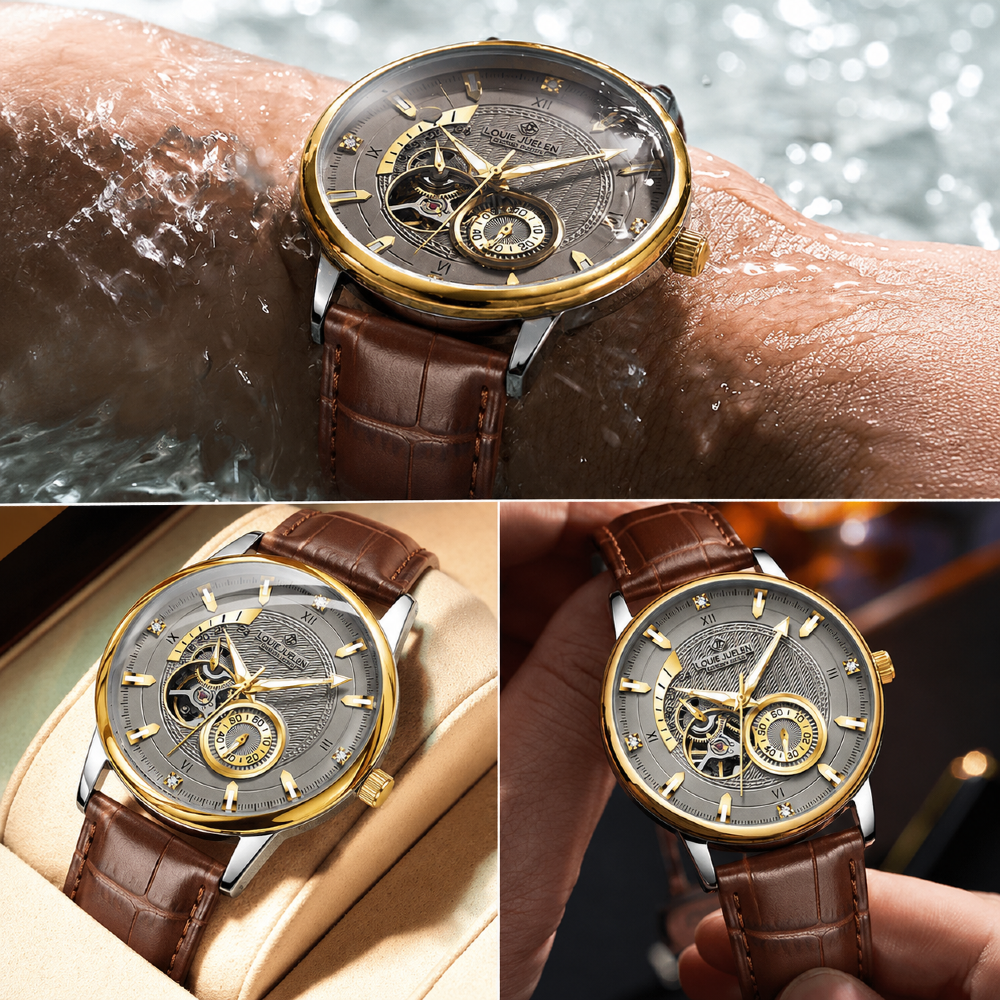
Louis Juelen Luxury Automatic(Tourbillion ) Premium Watch
Automatic Watch Winder
₦85,000
₦150,000
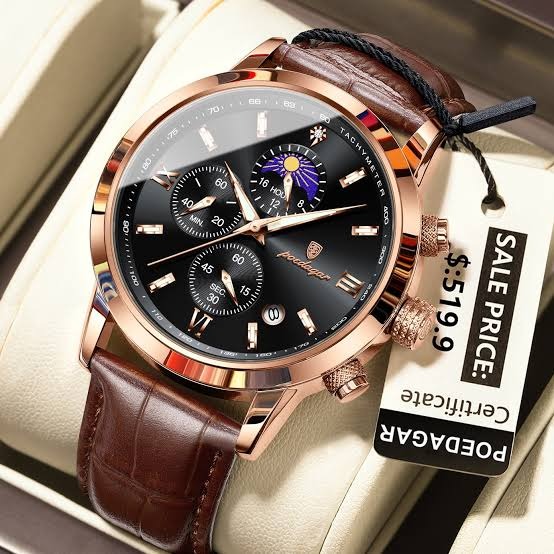
Poedagar Chronograph Luxury Watch
Free 24ml luxury Roll On oil perfume
₦45,000
₦65,000
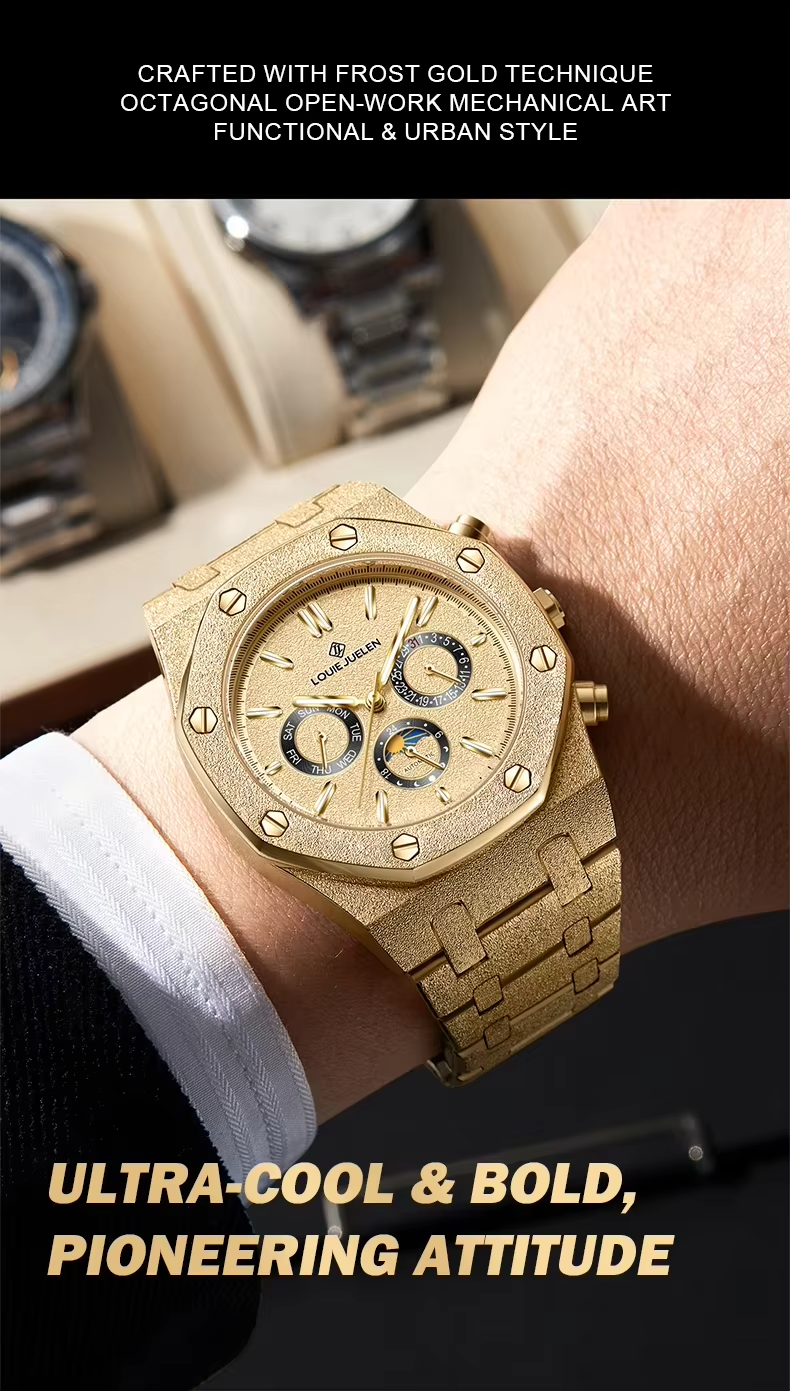
Louis Juelen Automatic Chain Strap
Automatic Watch Winder
₦140,000
₦250,000