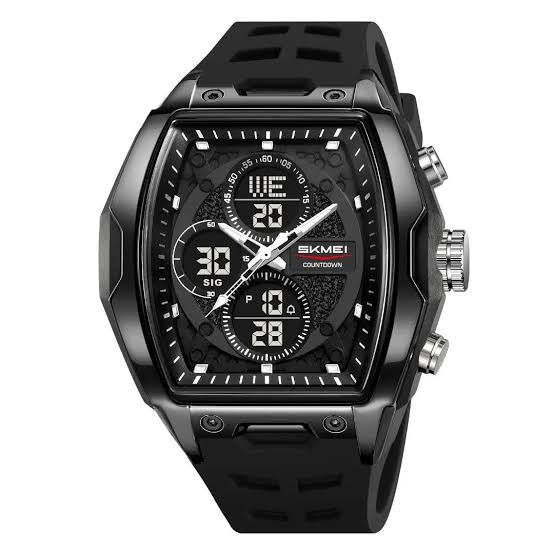


Chronograph vs Diver vs Dress Watch: Which Style Fits You?
There is a particular kind of regret that sets in about three weeks after a watch purchase. The box was beautiful, the reviews were glowing, and the piece looked stunning under the shop lighting. Then real life arrives. The slim gold dress watch feels precious and fussy on a weekend hike. The chunky 300-meter diver refuses to slip under a tailored shirt cuff at a black-tie dinner. The bold chronograph, all pushers and subdials, suddenly feels like too much for a quiet office. The watch was never the problem. The mismatch between the style and the life you actually live was.
Getting the chronograph vs diver vs dress watch decision right is less about spending more and more about honest self-assessment. Each of these three core watch styles was engineered for a different purpose, and each carries a different mood on the wrist. Understand what separates them, and you stop buying watches for a fantasy version of your week and start buying for the one you really have.
The Three Core Watch Styles, Decoded
The three most common types of watch styles are the chronograph, the diver, and the dress watch, and each answers a different question about how you spend your days. A chronograph measures elapsed time with a stopwatch function, a diver survives water and rugged wear, and a dress watch prioritizes thin, quiet elegance for formal settings.
What Is a Chronograph Watch?
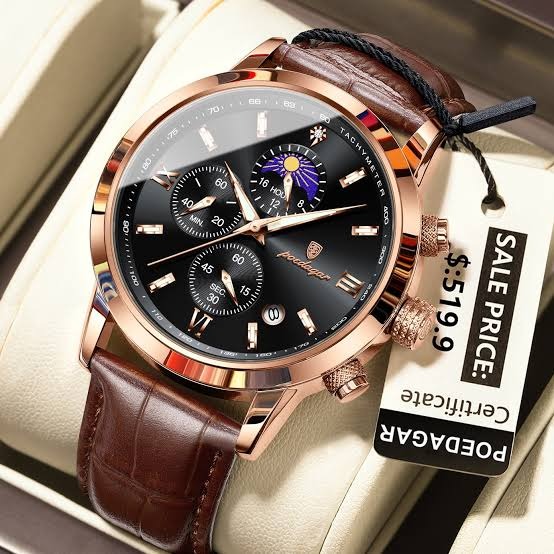
A chronograph is a watch with a built-in stopwatch, using an independent sweep second hand and small subdials that can be started, stopped, and reset to zero using pushers on the side of the case. It was originally designed as a measuring tool for aviation, motorsport, and athletics, where timing an interval mattered.
Two pushers usually flank the crown, and the dial carries extra registers that track seconds, minutes, and sometimes hours of elapsed time. Many chronographs add a tachymeter scale around the bezel to calculate speed. On the wrist, a chronograph reads as busy, technical, and confident. It has more going on than any other everyday style, which is exactly its appeal for people who like a watch with visible mechanical purpose. In the postwar decades the chronograph evolved from pure instrument into a genuine statement piece, and that dual identity is why it remains one of the most collected watch styles today.
What Is a Diver Watch?
A diver watch is a rugged, highly water-resistant timepiece built to be a survival instrument underwater, defined by a unidirectional rotating bezel, strong luminous markers, and serious water resistance. A watch is generally considered a true professional diver when it withstands at least 300 meters, or roughly 30 bars of pressure.
That rotating bezel is the signature feature. A diver sets it against the minute hand to track elapsed time underwater and, historically, remaining air supply. Because these watches are over-engineered to keep water out, they end up being some of the toughest, most reliable pieces you can strap on. Clean dials, bright lume, and thick cases give them a purposeful, sporty look. The irony is that most divers never see anything deeper than a swimming pool, yet the robustness that makes them dive-ready also makes them brilliant daily companions.
What Is a Dress Watch?
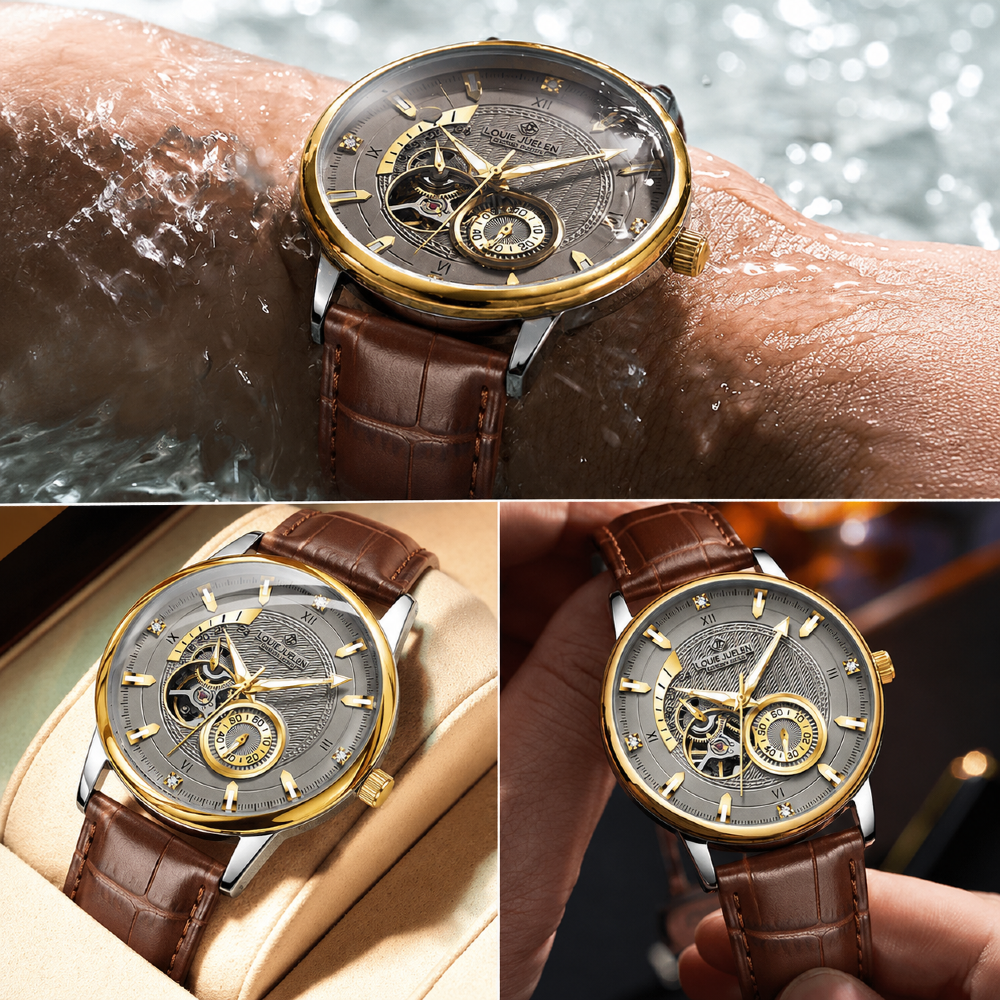
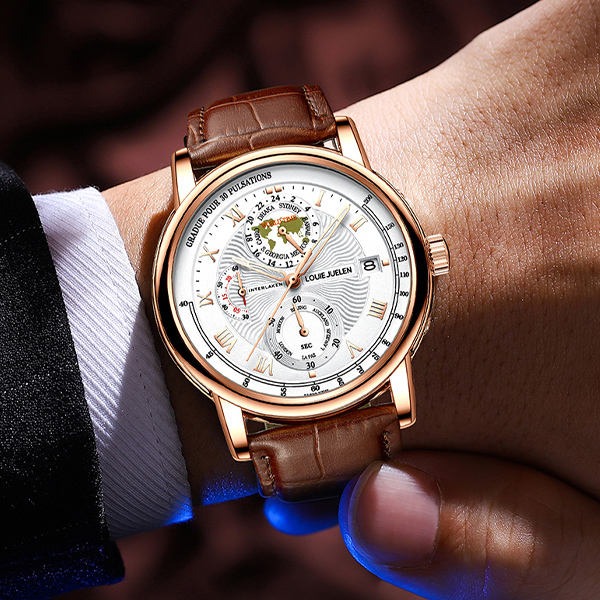
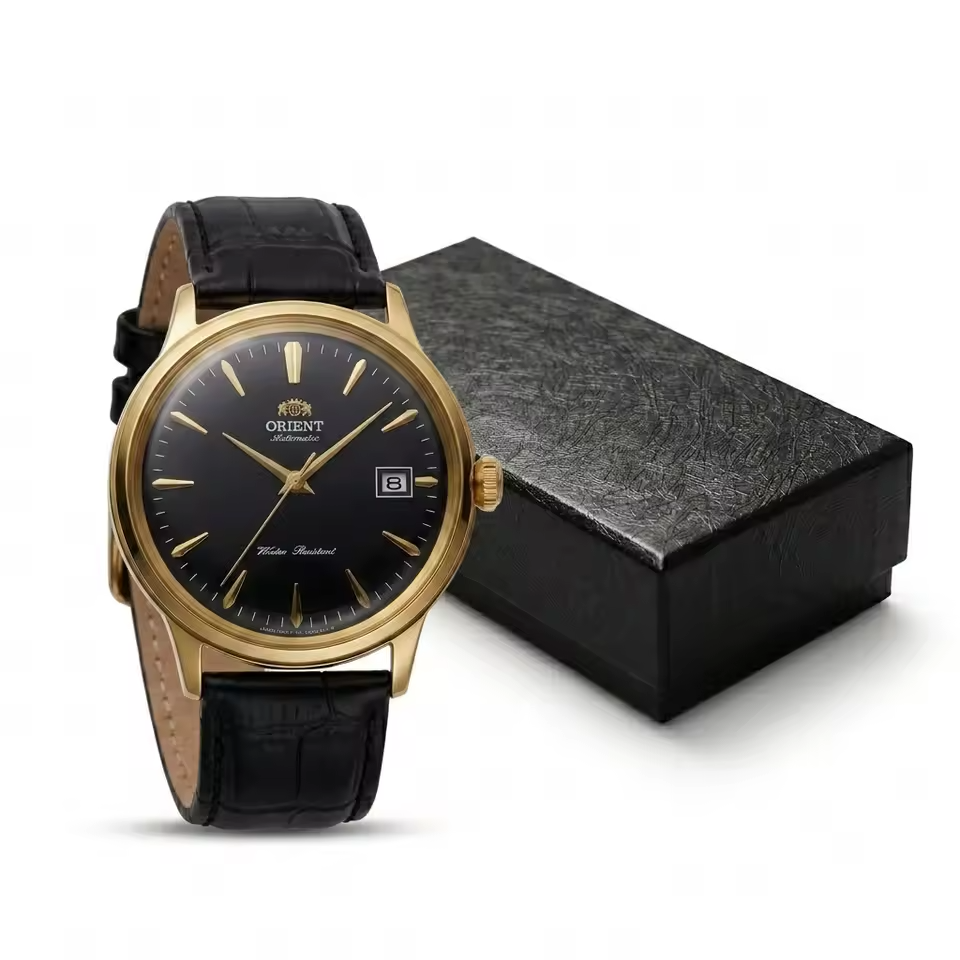
A dress watch is a slim, understated timepiece designed to slide effortlessly under a shirt cuff and complement formal tailoring without stealing attention. It is classically small, typically 34 to 40mm in diameter and ideally under 8mm thick, showing little more than hours and minutes, often in a precious metal such as gold or platinum.
Restraint is the entire point. There is no rotating bezel, no stopwatch, rarely more than a date. Legibility and elegance matter far more than complications. The traditional test is simple: fasten your cuff, slide your hand through, and the watch should disappear until you gesture. If it catches or forces the fabric to stretch, it is too thick to be a genuine dress watch. Paired with a dark leather strap, a dress watch complements a tuxedo or navy suit rather than competing with it.
A Quick Word on Pilot and Field Watches
Beyond the big three, pilot and field watches round out the essential types of watch styles and both lean casual and rugged. A pilot watch favors extreme legibility with a black dial, high-contrast luminous numerals, and often a triangle at twelve o'clock, built for cockpit conditions. A field watch is the utilitarian descendant of military-issue pieces, prized for durability and no-nonsense readability.
Both are wonderfully versatile for everyday and business-casual wear, sliding easily from jeans and a t-shirt to a sport coat and chinos. They tend to be smaller, tougher, and less flashy than a diver, and far more relaxed than a dress watch. If the three main styles feel like extremes, a field or pilot watch often sits comfortably in the middle.
Chronograph vs Diver vs Dress Watch: The Comparison Table
The fastest way to compare these watch styles is side by side, weighing their purpose, formality, and everyday practicality against how you actually live. Use the quick-reference table below to see at a glance which type of watch aligns with your wardrobe, your activities, and the impression you want your wrist to make.
| Feature | Chronograph | Diver | Dress Watch |
|---|---|---|---|
| Core purpose | Timing intervals (stopwatch) | Water resistance and toughness | Elegance under formal wear |
| Signature detail | Pushers and subdials | Rotating bezel and strong lume | Slim case, clean minimal dial |
| Typical size | 40–44mm, thicker | 40–44mm, thick | 34–40mm, very thin |
| Water resistance | Varies, often modest | High (200m+) | Low, splash-only |
| Formality | Casual to smart-casual | Casual to business-casual | Formal to smart-casual |
| Best for | Sports fans, motoring, active pros | Everyday wear, travel, one-watch owners | Suits, black tie, boardrooms |
| Personality | Bold, technical, energetic | Sporty, rugged, dependable | Refined, quiet, classic |
How to Match a Watch Style to Your Lifestyle
Choosing a watch style by lifestyle means matching the piece to how you honestly spend the bulk of your week, not the rare occasion. Look at your daily uniform, your commute, your hobbies, and the settings where you most want to look right, then let the watch that fits that reality lead the decision rather than the one that flatters your aspirations.
If your days run active and outdoors, a diver or field watch rewards you with toughness and water resistance you will actually use. If you time things, whether laps, workouts, or client calls, a chronograph turns a daily habit into a small pleasure. If your calendar is full of suits, formal dinners, and rooms where subtlety signals status, a dress watch is the only style that truly belongs. Most people live in a blend, which is why a single "perfect" watch is often the one that covers the widest slice of a real week rather than the extremes at either end.
Which Watch Style Suits Me?
The watch style that suits you is the one that matches your most frequent setting and the mood you want to project, so start by identifying where your wrist spends the most hours. Someone in daily business-formal attire leans dress; someone in jeans and an active routine leans diver or field; someone who loves mechanical detail and sport leans chronograph.
Ask yourself three honest questions. First, what do I wear most days, tailoring or casual? Second, how rough is my routine, and does my watch need to handle water, knocks, and sweat? Third, what feeling do I want on my wrist, quiet refinement or visible engineering? Your answers rarely point to an extreme. A person who wants one watch to cover a suit on Monday and a beach on Saturday is usually happiest with a well-sized diver on a steel bracelet, while someone whose life is genuinely formal should not talk themselves out of a proper dress watch for the sake of versatility they will not use.
Diver vs Dress Watch: Which Is More Versatile?
In the diver vs dress watch versatility debate, the diver wins for most modern lifestyles because its rugged build and clean dial stretch across far more occasions than a formal watch can. A steel diver handles casual, business-casual, and even many business-formal settings, while a dress watch is genuinely at home only in refined, low-activity contexts.
That does not make the dress watch lesser, only more specialized. A diver with a 38 to 40mm case and a steel bracelet moves from linen shirts to navy suits without protest, which is why it is the default recommendation for anyone who can own only one watch. A dress watch, by contrast, is a scalpel: unmatched at black-tie events and boardrooms, awkward on a hike or a jet ski. If your life demands range, choose the diver. If it demands polish, nothing else touches a slim dress watch, and the smartest collections eventually hold both.
Choosing a Watch Style Without Regret
The secret to choosing a watch style you will love for years is to buy for your actual calendar, size the case to your wrist, and resist the pull of a style built for a life you do not lead. Prioritize the setting you occupy most, pick a diameter and thickness that sit comfortably, and let genuine daily fit outrank the fantasy of an occasion that rarely comes.
Case size matters more than most buyers realize. The 38 to 40mm range remains the most versatile, large enough to look intentional and small enough to work under a cuff. Thickness quietly decides whether a watch is a daily joy or a drawer ornament. Consider your straps, too, since a leather band dresses a watch up and a steel bracelet or rubber strap dresses it down, letting one case shift its mood. Buy the style that fits the person you are this year, and it will still make sense long after the initial thrill fades.
Frequently Asked Questions
Can a chronograph or diver work as a dress watch?
A chronograph or diver can pass as a dress watch in smart-casual and business-casual settings, but neither is ideal for strict formal occasions. Their cases are thicker and busier than a true dress watch, so they may not slide cleanly under a cuff. For black tie, a slim, minimal watch on dark leather still reads as the most correct choice.
What is the most versatile watch style for everyday wear?
A dive watch in the 38 to 40mm range on a steel bracelet is widely regarded as the most versatile everyday watch style. Its water resistance, durability, and clean dial let it move from casual weekends to business-casual weekdays with ease. Field and pilot watches are close runners-up, offering similar range in a lighter, more understated package.
Is a diver watch or a dress watch better for a first serious watch?
For most people, a diver makes the better first serious watch because it covers more of daily life than a dress watch can. It resists water and knocks, suits jeans as well as a blazer, and rarely feels out of place. Choose a dress watch first only if your routine is genuinely formal and your wardrobe is built around tailoring.
How do I know which watch style suits me if I like all three?
If you love all three styles, start with the one that matches where you spend the most hours, then build outward. Buy for your dominant setting first, whether that is a rugged diver for an active life, a chronograph for a sporty and detail-loving eye, or a dress watch for a formal calendar. Additional styles can follow once your everyday need is covered.