

Can You Shower or Swim in Your Jewelry? The Waterproof Truth
You slip into the shower with your favourite chain still on, jump into a hotel pool in Lekki without a second thought, or sweat through a gym session in Abuja with your rings on. Everyone does it. The question is whether your jewelry can actually take it, or whether you are quietly wearing it out one splash at a time. This is the honest, no-marketing-fluff answer.
Can You Shower With Jewelry Every Day?
You can shower with solid gold, platinum and quality stainless steel without instant damage, but daily soap film, hard water and shampoo slowly build a dull coating that steals shine. Gold-plated, silver and gemstone pieces suffer faster. The safest habit is simply to take jewelry off first.
Here is what actually happens in the bathroom. Water alone is rarely the villain. The real culprits ride along with it: bar soap and body wash leave a greasy film, shampoo and conditioner coat every crevice, and Nigerian tap or borehole water often carries minerals and chlorine that settle on the surface. None of this dissolves your gold overnight. Instead it does something quieter and more annoying. It fills the tiny grooves around stones and links, so your piece stops throwing light the way it did in the shop.
There is also a practical danger people forget. Wet skin and cold water make your fingers shrink slightly, and soap turns everything slippery. That is exactly how a ring slides off and disappears down the drain. If you must keep something on in the shower, make it a fitted piece you cannot easily lose, and never a loose ring.
The quick verdict: a rushed splash now and then will not ruin good gold. The problem is the everyday habit, repeated for months, on pieces that were never built for it.
Does Water Damage Jewelry, or Is It the Chemicals?
Clean fresh water does very little harm to solid precious metals on its own. The damage comes from what travels with the water: chlorine, salt, soap, lotions and sweat. These attack plating, tarnish silver, seep into porous stones and corrode the alloy metals mixed into gold, which is where most real jewelry damage begins.
Think of water as the delivery van rather than the thief. Pure water will not dissolve 18K gold. But chlorine reacts with the copper, nickel and other alloys blended into gold to make it hard enough to wear, and over time that reaction can weaken solder joints and even cause tiny cracks. Salt does something similar, eroding soldered points on gold, silver and platinum until a clasp or link becomes brittle enough to snap.
For our climate this matters more than most guides admit. Nigerian heat means constant sweat, and sweat is mildly acidic and salty. Add sunscreen, body lotion and perfume, and your jewelry is bathing in a chemical mix all day whether or not you ever touch a pool. That daily exposure is often what dulls a chain long before any swimming pool gets the blame.
Can You Swim With Gold, and What About Chlorine and Salt Water?
You should not swim with gold as a routine. Solid gold survives an occasional dip, but pool chlorine reacts with its alloy metals and salt water erodes soldered joints, weakening the piece over time. Gold-plated and gold-filled jewelry fare worst, since chlorine and salt lift and peel the thin gold layer.
Swimming is the harshest test your jewelry faces, and it is worth separating the two kinds of water.
Chlorine and Jewelry in the Pool
Chlorinated pool and hot-tub water is aggressive. It does not just dull the surface; it attacks the metals mixed with gold and can lead to discolouration and slow decomposition of the alloy. On gold-plated pieces the effect is brutal and fast. Chlorine lifts the delicate gold coating, and once it starts peeling there is no repair, only replating. Hot tubs are worse than pools because heat speeds up every reaction.
Salt Water at the Beach
Salt water, whether the Atlantic at Tarkwa Bay or a salted pool, erodes the soldered elements that hold jewelry together. Precious metal weakens at the joints, so the risk is not only a dull finish but an actual break. Sterling silver reacts especially badly to salt, tarnishing rapidly and sometimes developing permanent pitting in the surface.
Bottom line: take jewelry off before you enter any pool, hot tub or ocean. A ₦2,000 storage habit protects a piece worth many times that.
Which Jewelry Metals Actually Survive Water?
Solid gold, platinum and quality stainless steel are the most water-tolerant metals, handling occasional exposure without lifting or peeling. Sterling silver tarnishes and reacts to chlorine, while gold-plated and gold-filled pieces wear fastest because their surface layer is thin. No metal enjoys long-term soap, salt or chlorine.
Use the table below as a quick reference before you decide what stays on and what comes off.
| Jewelry type | Water tolerance | Main risk | Everyday verdict |
|---|---|---|---|
| Solid gold (14K and up) | Good | Dulling film; chlorine attacks alloys over time | Fine for a rinse; remove for pools and beach |
| Platinum | Very good | Soap residue buildup | Most water-tolerant; still clean regularly |
| Quality stainless steel | Very good | Corrosion from repeated chlorine and salt | Everyday friendly; rinse after swimming |
| Gold-filled | Fair | Oxidation, slow wear in salt and chlorine | Occasional splash only; avoid pools |
| Gold-plated | Poor | Plating lifts and peels | Keep dry; remove before water |
| Sterling silver | Poor | Tarnish and pitting, reacts to chlorine | Remove before water; dry fully |
| Pearls and porous stones | Very poor | Absorb water and chemicals, crack or discolour | Never wear in water |
A word on the marketing term you see everywhere. "Waterproof" plated jewelry usually means a thicker gold layer bonded over stainless steel, and the better versions genuinely resist tarnish for a while. But be realistic. Standard plated pieces marketed as waterproof often hold up for only a few months of showering, sweating and swimming before the shine fades and the base metal shows through. Thickness, measured in microns, is the honest indicator, not the word on the label.
Why Pearls and Soft Stones Must Come Off First
Pearls and porous stones such as opal, turquoise, emerald and amber must never be worn in water. They are soft and absorbent, so they soak up water along with soap, chlorine and minerals. The water evaporates but the chemicals stay behind, permanently dulling, cracking or discolouring the stone.
These stones behave like tiny sponges, and once damaged they cannot be restored. A few specifics worth knowing:
- Pearls are organic and made of calcium carbonate. They are sensitive to acids, heat, cosmetics and even the natural oils and sweat on your skin, and they lose their glow quickly with water and chemical exposure.
- Turquoise is highly porous and drinks in soap, lotion and dirty water. Its bright blue slowly turns a muddy green as chemicals react with the copper that gives it colour.
- Opals can hold up to twenty percent water inside their structure. Sudden temperature changes and drying can cause crazing, which is a web of tiny internal cracks.
- Emeralds are usually treated with oils that fill natural fractures. Hot soapy water washes those oils out and leaves the stone looking cloudy.
For these pieces the rule is simple and strict. Put them on last, after perfume, lotion and hairspray have dried, and take them off before any contact with water. Wipe them with a soft cloth rather than soaking them.
How to Protect Your Jewelry From Water Damage
The single best habit is to remove jewelry before the pool, beach, gym and shower, then dry each piece fully before storing it. Rinse off sweat, chlorine and salt with clean water when exposure happens, pat dry with a soft cloth, and store pieces separately so they do not scratch one another.
Build these habits into your routine and your jewelry lasts years longer:
- Jewelry last, off first. Apply lotion, perfume, sunscreen and hairspray, let them dry, then put jewelry on. Take it off before showering, swimming or a heavy workout.
- Rinse after exposure. If your chain caught sweat at the gym or a splash at the beach, rinse it in clean fresh water to remove salt and chlorine before they sit and react.
- Dry completely. Trapped moisture is what tarnishes silver and corrodes clasps. Pat every piece dry, and let it air a few minutes before it goes away.
- Store smart. Keep pieces in separate soft pouches or a lined box, away from the humidity of a bathroom. Airtight storage slows tarnish on silver and plated items.
- Keep a small dish by the sink and gym bag. A dedicated spot to drop rings and chains means you never leave them on out of laziness or lose them in a changing room.
None of this requires expensive products. It is mostly about timing and a soft cloth, and it is the difference between jewelry that stays bright for years and jewelry that fades within a season.
Frequently Asked Questions
Can you shower with gold-plated jewelry?
It is not advised. The gold layer on plated jewelry is thin, and repeated exposure to warm water, soap film and shampoo wears it down and can make it lift and peel. Even pieces sold as waterproof usually only survive daily showering for a few months before the shine fades. Keep plated jewelry dry and put it on after your shower.
Is stainless steel jewelry truly waterproof?
Quality stainless steel is one of the most water-tolerant metals, so it handles showering and the occasional swim far better than plated or silver pieces. It is not immune, though. Repeated exposure to chlorine and salt water can still cause corrosion over time, so rinse it in clean water after the pool or beach and dry it before storing.
Does chlorine really damage solid gold?
Yes, over time. Chlorine does not attack pure gold, but it reacts with the copper and other alloy metals mixed in to make jewelry durable. That reaction can dull the finish, weaken soldered joints and, with repeated hot-tub or pool exposure, lead to slow breakdown. An occasional dip is survivable; daily swimming in gold is not.
Can I swim in the sea with my jewelry?
It is best not to. Salt water erodes the soldered points that hold jewelry together, so clasps and links can weaken and eventually break. It also tarnishes sterling silver rapidly and can pit the surface. Take jewelry off before the beach, and if it does get splashed, rinse it in fresh water as soon as you can.
The Simple Rule Worth Remembering
Water itself is rarely the enemy. Chlorine, salt, soap and sweat are, and they do their damage slowly enough that you often do not notice until the shine is gone. Solid gold, platinum and good stainless steel can take an occasional wetting. Everything else, and especially plated pieces, silver, pearls and soft stones, is happiest kept dry. Take it off before the shower, pool, beach and gym, dry it before you store it, and your jewelry will still be turning heads long after the careless pieces have faded.
Featured in our collection
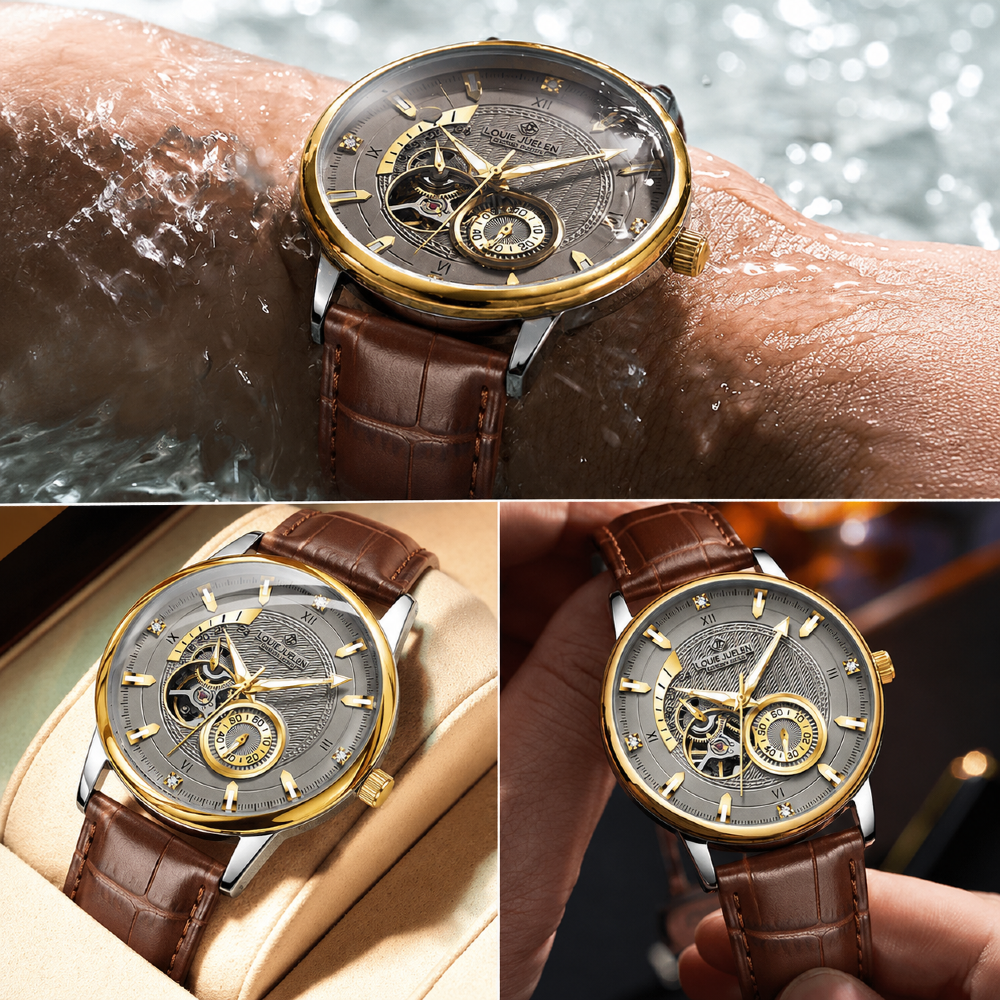
Louis Juelen Luxury Automatic(Tourbillion ) Premium Watch
Automatic Watch Winder
₦85,000
₦150,000
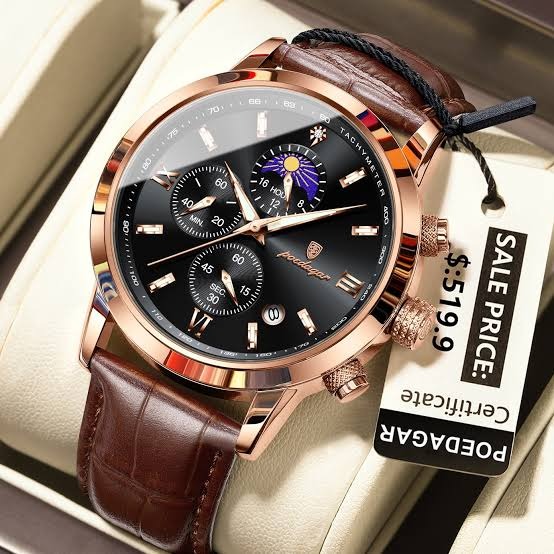
Poedagar Chronograph Luxury Watch
Free 24ml luxury Roll On oil perfume
₦45,000
₦65,000

Louis Juelen Automatic Chain Strap
Automatic Watch Winder
₦140,000
₦250,000